-
 +86-0571-83175630
-
 [email protected]

 English
  Español
  عربى
عربى 
Clear Packing Tape Manufacturers
information to be updated

Honor
-
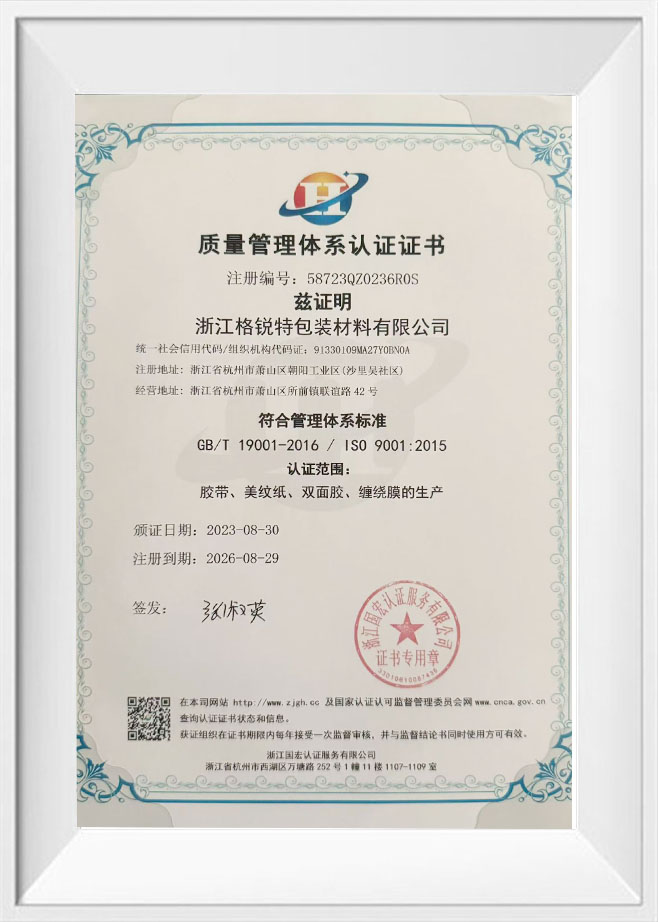 Quality Management System Certification Certificate
 -
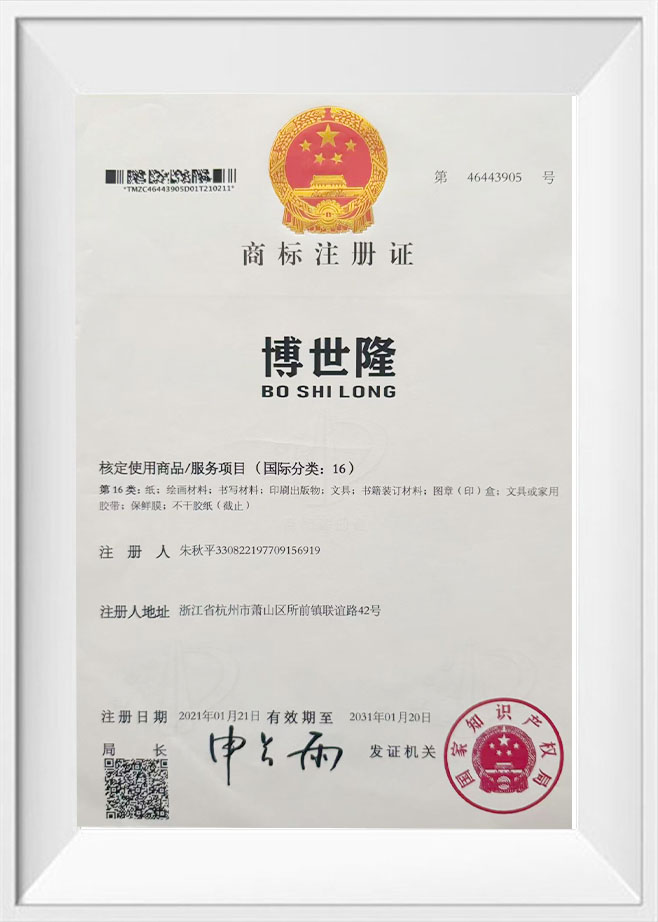 Trademark Registration Certificate
 -
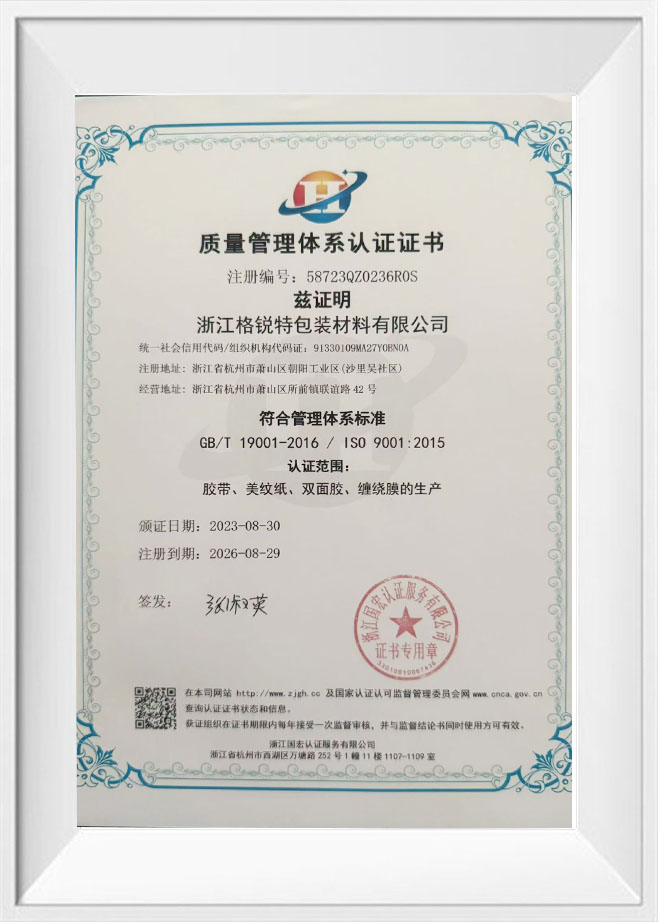 Quality Management System Certification Certificate
News
-
Company News 2026-03-31
Zhejiang Geruite Packaging Materials Co., Ltd., a leading packaging solution provider based in Zhejiang Province, has successfully shipped nine containers of transparent stretch film to Los Angeles. This export marks another milestone in the company's conti...
View More -
Industry News 2026-03-25
What Is Kraft Paper Tape and Why Does It Matter for Packaging? Kraft paper tape is a paper-based adhesive tape made from kraft pulp — a wood pulp processed through the kraft chemical method that produces strong, tear-resistant fibers. Unlike plastic-based tap...
View More -
Industry News 2026-03-25
What Painters Tape Actually Does — and Where Most Users Choose Wrong Painters tape is a pressure-sensitive masking tape engineered to protect surfaces during painting, finishing, and surface preparation. Its defining characteristic is clean removal without ad...
View More
Contact us now
Clear Packing Tape Industry Knowledge Extension
Clear Packing Tape: The Essential Guide to Transparent Packaging Excellence
Understanding Clear Packing Tape Fundamentals
Clear packing tape is a cornerstone of modern packaging operations, offering unparalleled visibility and secure sealing. This transparent adhesive solution has revolutionized how businesses approach product protection, inventory management, and brand presentation. As a fundamental component in logistics and shipping industries, understanding the technical specifications and application methodologies of clear packing tape enables organizations to optimize their packaging workflows while maintaining professional aesthetic standards.
The evolution of clear packing tape technology has transformed it from a simple sealing mechanism into a sophisticated packaging instrument. Contemporary manufacturing processes incorporate advanced polymer science and adhesive chemistry to produce tapes that withstand temperature variations, humidity fluctuations, and mechanical stress during transit operations.
- Superior optical clarity enables barcode scanning and content identification without tape removal
- High-tack adhesive systems ensure immediate bonding on diverse substrate surfaces.
- UV-resistant formulations prevent yellowing and degradation during an extended storage period.s
- Silent unwind characteristics enhance workplace ergonomics and reduce noise pollution.on
Technical Specifications and Material Composition
Substrate Engineering and Film Technologies
The foundation of premium clear packing tape lies in its substrate composition. Biaxially Oriented Polypropylene (BOPP) film serves as the industry standard, providing exceptional tensile strength, dimensional stability, and optical transparency. Advanced manufacturing facilities utilize multi-layer co-extrusion technology to enhance mechanical properties while maintaining cost-effectiveness.
Film thickness measurements typically range from 35 microns to 65 microns, with specialized applications requiring customized specifications. The molecular orientation process during manufacturing creates anisotropic strength characteristics, optimizing performance in both machine direction and cross-direction stress scenarios.
- BOPP substrates offer excellent moisture resistance and chemical inertness
- Polyester variants provide enhanced temperature resistance for extreme environments
- Cellulose acetate options deliver biodegradable alternatives for sustainable packaging initiatives
- Reinforced filaments increase tensile strength for heavy-duty industrial applications
Adhesive Systems and Performance Characteristics
Adhesive formulation represents the critical determinant of clear packing tape performance. Hot-melt synthetic rubber adhesives dominate general-purpose applications, offering aggressive initial tack and consistent bonding across corrugated cardboard, recycled fibers, and polymer surfaces. Acrylic adhesive systems provide superior aging characteristics and temperature stability, making them ideal for long-term storage and climate-variable shipping conditions.
Natural rubber adhesives, while less common in contemporary manufacturing, retain significance for specific applications requiring solvent resistance and aggressive bonding to challenging substrates. The adhesive coating weight, measured in grams per square meter, directly correlates with holding power and shear resistance.
| Adhesive Type | Initial Tack | Shear Resistance | Temperature Range | Best Applications |
| Hot-Melt Synthetic Rubber | High | Moderate | -10°C to 60°C | General shipping, e-commerce fulfillment |
| Water-Based Acrylic | Moderate | High | -20°C to 80°C | Long-term storage, temperature-sensitive goods |
| Solvent Acrylic | Very High | Very High | -40°C to 120°C | Heavy-duty industrial, extreme environments |
| Natural Rubber | Very High | High | -10°C to 50°C | Recycled cardboard, rough surfaces |
Industrial Applications and Sector-Specific Solutions
E-Commerce and Logistics Optimization
The exponential growth of e-commerce has elevated clear packing tape from a peripheral supply item to a mission-critical operational component. Automated packaging lines demand tapes with consistent unwind characteristics, precise thickness tolerances, and reliable adhesive performance across variable environmental conditions. High-speed case sealing operations require clear packing tape formulations that minimize flagging, splitting, and adhesive transfer to machinery components.
Distribution centers benefit from clear packing tape transparency for automated sorting systems and visual inspection protocols. The ability to scan barcodes, verify content labels, and identify handling instructions through the tape layer eliminates processing delays and reduces package handling errors.
- Machine-length rolls reduce changeover frequency and increase operational efficiency.
- Low-noise unwind properties improve workplace safety and communication
- Consistent thickness ensures reliable performance in automated dispensing equipment
- High-clarity formulations support optical character recognition systems
Food and Pharmaceutical Packaging Compliance
Regulatory compliance distinguishes clear packing tape applications in the food and pharmaceutical sectors. FDA-compliant adhesive formulations eliminate concerns regarding indirect food contact, while pharmaceutical packaging demands tamper-evident features and lot traceability. The transparency of clear packing tape facilitates visual inspection of package integrity and seal continuity without compromising sterility barriers.
Cold chain logistics present unique challenges requiring specialized, clear packing tape formulations. Low-temperature adhesives maintain bonding integrity in refrigerated and frozen environments, preventing package failure during critical supply chain segments. Condensation resistance ensures adhesive performance despite humidity fluctuations between temperature zones.
- Food-safe adhesives meet the FDA 21 CFR 175.105 indirect food contact requirement.s
- Tamper-evident patterns provida e visual indication of unauthorized access attempts.
- Antimicrobial additives inhibit bacterial growth on tape surfaces
- Freezer-grade formulations maintain adhesion at temperatures below -20°C
Performance Optimization and Quality Assurance
Testing Protocols and Industry Standards
Professional-grade clear packing tape undergoes rigorous testing to ensure compliance with international standards. ASTM D3654 measures shear adhesion, while ASTM D3330 evaluates peel adhesion characteristics. These standardized tests provide objective metrics for comparing product performance and selecting appropriate specifications for specific applications.
Environmental testing protocols simulate real-world conditions,s including temperature cycling, humidity exposure, and UV radiation. Accelerated aging tests predict long-term performance characteristics, ensuring that clear packing tape maintains sealing integrity throughout the intended product lifecycle.
- Loop tack testing quantifies immediate bonding strength upon application
- Shear resistance testing measures load-bearing capacity under constant stress
- Tensile strength evaluation determines resistance to stretching and breaking
- Elongation testing assesses flexibility and conformability to irregular surfaces
Storage and Handling Best Practices
Proper storage conditions preserve clear packing tape performance characteristics and extend shelf life. Temperature-controlled environments between 15°C and 25°C prevent adhesive degradation and maintain optimal tack levels. Direct sunlight exposure causes UV-induced polymer degradation, resulting in yellowing and embrittlement.
Humidity control prevents moisture absorption that compromises adhesive activation and bonding strength. Vertical storage orientation minimizes edge compression and maintains roll geometry for smooth dispensing. First-in-first-out inventory rotation ensures utilization of products within optimal performance windows.
| Storage Parameter | Optimal Range | Risk of Deviation |
| Temperature | 15°C - 25°C | Adhesive flow or embrittlement |
| Relative Humidity | 40% - 60% | Moisture absorption, reduced tack |
| Light Exposure | Minimal/UV-protected | Yellowing, polymer degradation |
| Shelf Life | 12-24 months | Adhesive aging, performance decline |
Sustainability Innovations and Environmental Considerations
Environmental responsibility drives innovation in clear packing tape manufacturing. Bio-based adhesive formulations reduce petroleum dependency while maintaining performance standards. Recyclable tape designs facilitate corrugated packaging recovery processes, supporting circular economy initiatives and waste reduction goals.
Thin-gauge engineering reduces material consumption without compromising mechanical properties. Down-gauging initiatives decrease plastic usage by 20-30% while maintaining tensile strength and adhesive performance. Water-based coating technologies eliminate solvent emissions during manufacturing, reducing volatile organic compound (VOC) environmental impact.
- Post-consumer recycled content integration in film substrates
- Water-based adhesive systems eliminate solvent-based manufacturing emissions
- Coreless roll designs reduce cardboard waste in high-volume operations
- Biodegradable options for compostable packaging applications
Procurement Strategies and Supplier Evaluation
Selecting clear packing tape suppliers requires a comprehensive evaluation beyond unit pricing. Manufacturing capabilities, quality control systems, and technical support infrastructure determine long-term value and supply chain reliability. ISO 9001 certification indicates systematic quality management, while ISO 14001 certification demonstrates environmental management commitment.
Technical consultation services enable optimization of tape specifications for specific applications, preventing over-engineering or under-performance scenarios. Custom formulation capabilities address unique operational requirements, including specialized substrates, custom widths, and private labeling opportunities.
- Request technical data sheets specifying adhesive type, thickness, and performance metric.s
- Evaluate manufacturing consistency through sample testing across multiple production lots
- Assess logistical capabilities for just-in-time delivery and inventory management. ent
- Verify compliance with industry-specific regulatory requirements
FAQ
What is the difference between acrylic and hot melt clear packing tape?
The distinction between acrylic and hot melt clear packing tape centers on adhesive chemistry and performance characteristics. Hot melt adhesives utilize synthetic rubber polymers melted and applied in liquid form, providing aggressive initial tack and immediate bonding strength. These formulations excel in high-speed packaging operations and general shipping applications where immediate package security is paramount.
Acrylic adhesives employ water-based or solvent-based polymer emulsions that cure through evaporation. These systems offer superior long-term aging characteristics, maintaining adhesive integrity over extended storage periods. Acrylic clear packing tape demonstrates better performance in temperature-variable environments and UV exposure conditions, making it ideal for packages subject to outdoor storage or climate fluctuations.
Selection criteria should consider application speed, storage duration, environmental exposure, and substrate characteristics. Hot melt systems provide cost advantages for high-volume, short-cycle operations, while acrylic formulations justify premium pricing for critical applications requiring extended performance reliability.
How long does clear packing tape last on packages?
The service life of clear packing tape depends on adhesive formulation, environmental conditions, and substrate compatibility. Standard hot melt adhesives maintain effective bonding for 6-12 months under normal storage conditions. Acrylic adhesive systems extend this duration to 2-3 years, with premium formulations providing reliable adhesion beyond 5 years in climate-controlled environments.
Environmental factors significantly impact longevity. Temperatures exceeding 40°C accelerate adhesive oxidation and polymer degradation. High-humidity environments promote hydrolysis in certain adhesive systems, particularly natural rubber formulations. UV exposure causes photochemical degradation, resulting in embrittlement and adhesive failure.
Substrate preparation influences durability. Dust, oil contamination, and recycled fiber content compromise adhesive bonding. Proper surface cleaning and tape application technique maximize service life. For archival storage or long-term warehousing, acrylic clear packing tape formulations provide optimal longevity and preservation characteristics.
Can clear packing tape be used for heavy boxes?
Clear packing tape effectively secures heavy boxes when appropriate specifications are selected, and proper application techniques are employed. Standard duty tapes (1.6-1.8 mil thickness) accommodate packages up to 25 kilograms. Heavy-duty variants (2.0-2.5 mil thickness) with reinforced substrates handle weights exceeding 35 kilograms.
Application methodology critically influences performance. The "H-taping" technique—sealing center seams and edge seams—distributes stress across multiple tape strips, preventing concentration at single failure points. Edge reinforcement with filament tape provides additional structural integrity for extremely heavy or irregular loads.
For industrial applications involving weights exceeding 40 kilograms, consider specialized reinforced clear packing tape or hybrid sealing systems combining tape with strapping materials. Always verify tape specifications against package weight, handling intensity, and environmental conditions to ensure adequate protection throughout the distribution cycle.
Is clear packing tape recyclable with cardboard boxes?
Recyclability of clear packing tape depends on substrate composition and local recycling infrastructure. Traditional BOPP-based tapes require removal during cardboard pulping processes, as polypropylene films do not break down in standard recycling streams. However, modern thin-gauge tapes minimize contamination impact,t and many recycling facilities have adapted to handle minimal tape residue.
Emerging sustainable alternatives include paper-based tapes with water-activated adhesives that dissolve during pulping, and bio-based films designed to degrade in recycling processes. These innovations support zero-waste packaging initiatives while maintaining sealing performance comparable to conventional clear packing tape.
Best practices for recyclable packaging include minimizing tape usage through efficient sealing patterns, selecting thinner gauge tapes to reduce contamination, and consulting local recycling facilities regarding acceptable contamination levels. Some advanced recycling systems utilize screening and flotation processes that separate synthetic tapes from fiber streams, improving recovery rates.
Why is my clear packing tape not sticking properly?
Adhesion failure in clear packing tape typically stems from environmental, substrate, or application factors. Temperature conditions outside adhesive operating ranges prevent proper wetting and bonding. Cold substrates below 10°C inhibit adhesive flow, while hot surfaces above 60°C cause excessive flow and cohesive failure.
Surface contamination represents the most common cause of adhesion problems. Dust, oil films, mold release agents, and recycled fiber content create barrier layersbetween then adhesive and the substrate. High-recycled-content cardboard presents particular challenges due to surface fiber shortness and contamination with previous adhesives or coatings.
Application technique significantly impacts performance. Insufficient pressure during application prevents adhesive wetting and mechanical bonding. Tape applied over seams or edges experiences stress concentration and premature failure. Storage conditions affecting tape age—excessive heat, humidity, or extended shelf life—degrade adhesive properties before application.
Troubleshooting protocols include substrate cleaning with isopropyl alcohol, temperature conditioning of tape and packages, application pressure verification, and adhesive type evaluation for specific substrate compatibility.
What width of clear packing tape should I use for shipping?
Standard clear packing tape widths range from 48mm to 72mm, with selection based on package dimensions, weight, and handling requirements. The 48mm width serves general shipping applications for packages under 30 kilograms, providing adequate coverage for standard carton seams without excessive material usage.
Heavy-duty applications benefit from 72mm widths that distribute stress across broader surface areas, reducing edge lifting and seam failure. This width proves particularly effective for double-wall corrugated containers, large format boxes, and packages subject to rough handling or extended transit durations.
Specialized applications may require customized widths. Narrow 24mm tapes suit small parcel sealing and gift wrapping applications. Extra-wide 96mm tapes provide single-strip sealing for palletized loads and bulk containers. Automated packaging systems often specify precise width tolerances to optimize dispenser performance and minimize waste.
Economic analysis should consider that wider tapes reduce labor costs through faster application, while narrower tapes minimize material consumption. The optimal width balances sealing effectiveness, operational efficiency, and material economy for specific packaging workflows.
Does clear packing tape turn yellow over time?
Yellowing in clear packing tape results from photochemical degradation of polymer substrates and adhesive components. UV radiation initiates free radical reactions in polypropylene molecular chains, causing chromophore formation that absorbs blue light and transmits yellow wavelengths. This phenomenon, while primarily aesthetic, may indicate underlying polymer degradation affecting mechanical properties.
Acrylic adhesive systems generally exhibit superior UV resistance compared to hot melt formulations. UV stabilizer additives in premium tapes absorb or scatter damaging radiation, extending clarity retention. Storage in UV-protected environments dramatically slows yellowing progression, preserving optical clarity throughout the product lifecycle.
Yellowing does not necessarily indicate adhesive failure, but it may compromise professional presentation and barcode scanning reliability. For applications requiring extended clarity—archival storage, retail display, or premium brand presentation—select UV-stabilized clear packing tape formulations and implement UV-protected storage protocols.
CONTACT DETAILS
- Address:No. 241, Yaojiafan, Zhangpanqiao, Shushan Street, Xiaoshan District, Hangzhou City, Zhejiang Province, China
- TEL:+86-0571-83175630
- Phone:+86-13336160217
- Email:[email protected]
PRODUCTS
NEWS CENTER
MOBILE TERMINAL
Copyright© Zhejiang Geruite Packaging Materials Co., Ltd. All Rights Reserved.
Clear Packing Tape Custom