-
 +86-0571-83175630
-
 [email protected]

 English
  Español
  عربى
عربى 
Honor
-
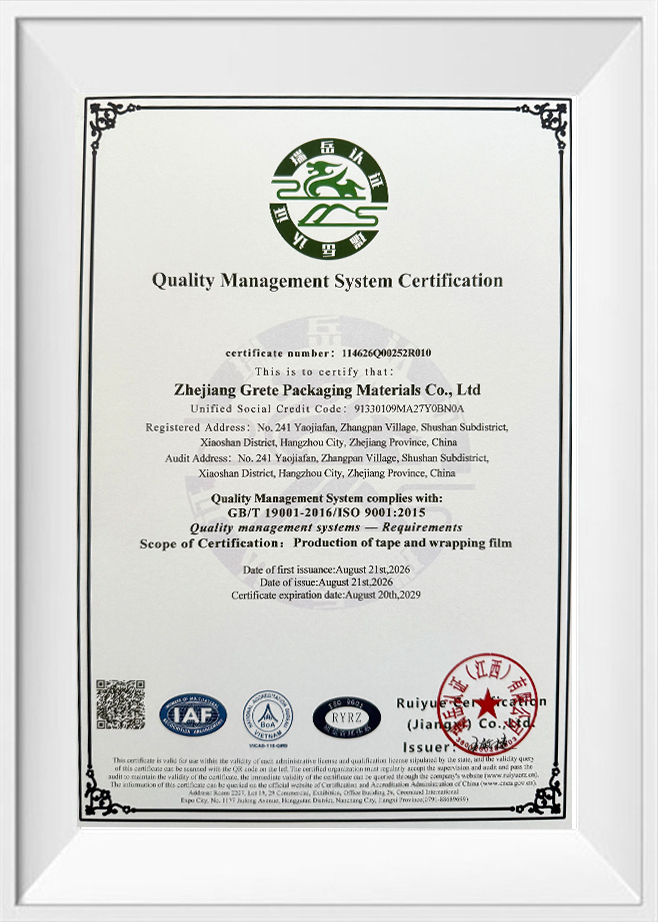 Quality Management System Certification
 -
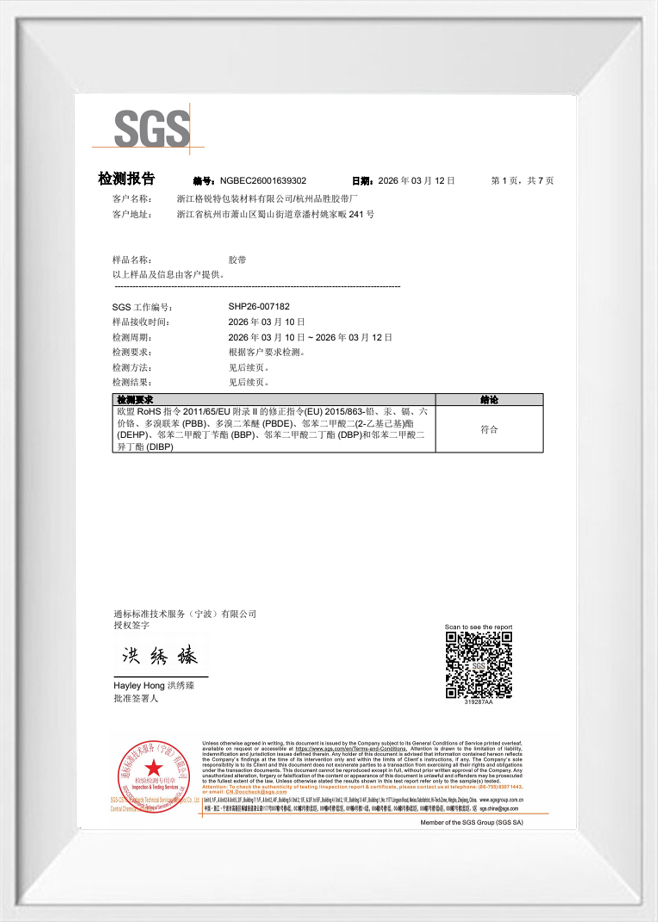 Test Report
 -
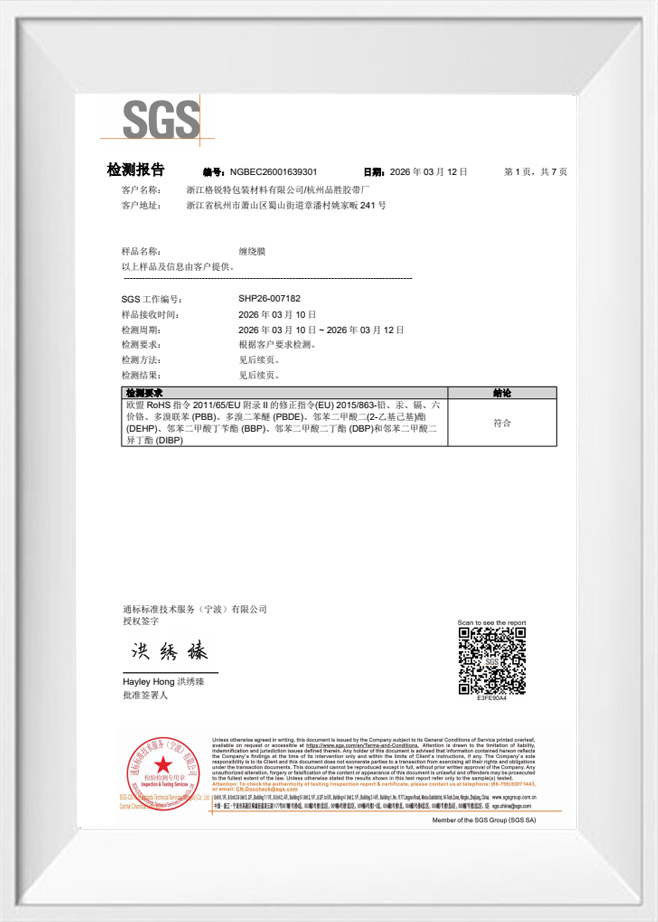 Test Report
 -
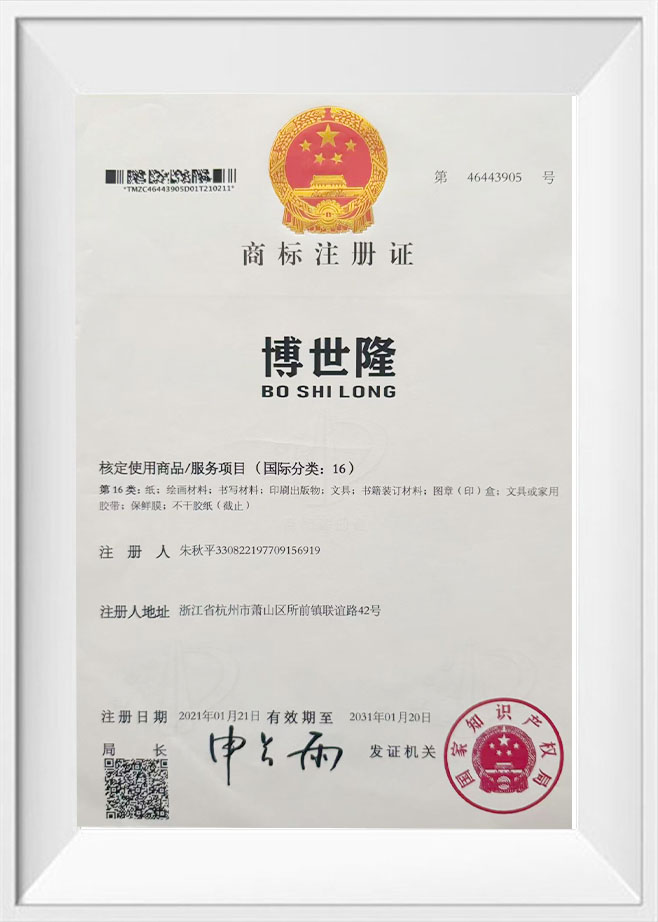 Trademark Registration Certificate
News
-
Industry News 2026-10-14
When a heavy machinery crate reaches a port warehouse after 40 days at sea, the difference between a secure bundle and a loose load often comes down to the strapping material. Steel straps rust, cut into corners, and require heavy-duty tools for tensioning. Polypropylene straps, on the other hand, creep under sustain...
View More -
Industry News 2026-10-07
A beverage plant lost two pallets of bottled product when the dark PET strap on a forklift-facing load snapped at a damaged weld. The operator could not see the weld because the opaque strap hid it. Transparent PET strapping removes that blind spot: the clear body shows weld quality, tension, and surface damage while...
View More -
Industry News 2026-09-30
A pallet of aluminum frames arrives with a snapped PP strap, a shifted top layer, and a 400 km ride ahead. That scene repeats daily, and it is why buyers switch to PET packing strap for loads that weigh, settle, or travel far. PET is the polyester cousin of polypropylene: it stretches less, holds tension longer, and ...
View More
Contact us now
PE Shrink Film/Bag Industry Knowledge Extension
How do the sealing properties of PE shrink film differ from other shrink films?
PE shrink film, PE stretch film, and PE shrink wrap are commonly used in various packaging applications due to their excellent performance and versatility. These films are particularly known for their ability to tightly wrap around products, offering protection and a polished appearance. However, each of these films has distinct sealing properties, which are crucial to understanding how they perform in different industrial and commercial settings.
Understanding PE Shrink Film
PE shrink film is a widely used packaging material made from polyethylene. It is known for its ability to shrink when exposed to heat, creating a tight and secure seal around the product. This film is primarily used for wrapping products such as bottles, boxes, and other items to ensure they are protected during transit and storage. The key feature of PE shrink film is its ability to create a seamless, transparent barrier that shields products from dust, moisture, and other environmental factors.
One of the defining sealing properties of PE shrink film is its excellent shrinkage performance when subjected to heat. When exposed to heat sources, such as a heat tunnel or shrink wrap system, the film shrinks tightly around the product, conforming to the shape and size of the item. This ensures a snug fit, minimizing movement and protecting the contents. Additionally, PE shrink film has good puncture resistance and is less prone to tearing compared to other types of shrink films, making it an ideal choice for products that need extra durability.
How PE Shrink Film Seals Compared to Other Shrink Films
When comparing PE shrink film to other shrink films like PVC and PET, it is essential to understand the differences in sealing properties. Each type of film reacts differently under heat and has varying degrees of stretchability, strength, and resistance to environmental factors.
PVC shrink film, for example, is known for its excellent clarity and gloss, which makes it ideal for retail packaging where the visual appeal of the product is a priority. However, PVC shrink film tends to have a lower shrinkage rate and is less resistant to puncturing compared to PE shrink film. In contrast, PE shrink film provides a higher level of protection, especially for heavier or bulkier items that require a more robust seal.
PET shrink film is another alternative used in packaging. It has higher strength and rigidity compared to both PE shrink film and PVC shrink film, making it suitable for applications where product protection is critical. However, PE shrink film offers superior flexibility and conformability, making it better suited for irregularly shaped items.
The Role of Sealing Technology in PE Shrink Film
Sealing technology plays a crucial role in the performance of PE shrink film. The ability to create a strong, uniform seal is essential for the integrity of the packaged product. PE stretch film and PE shrink wrap require specific equipment to achieve optimal sealing. Common sealing techniques include:
-
Heat sealing – This is the most commonly used method for sealing PE shrink wrap. It involves applying heat to the edges of the film, which causes the film to melt and fuse together, creating a strong bond. The key advantage of heat sealing is its ability to create a durable, tamper-proof seal that protects the contents.
-
Ultrasonic sealing – This technique uses high-frequency sound waves to generate heat and create a bond between the edges of the film. It is a precise and efficient sealing method, particularly useful for high-speed production lines.
-
Hot air sealing – This method involves blowing hot air onto the film, causing it to shrink and seal the product. It is commonly used for PE shrink wrap applications where quick and efficient sealing is required.
Why Sealing Performance Matters for Buyers
Buyers of PE shrink film often consider sealing performance as a critical factor when choosing packaging materials. The ability to seal the film properly affects both the aesthetic quality of the product and its ability to protect the contents. Poor sealing can lead to product damage, contamination, or unsightly packaging, all of which can negatively impact a company’s reputation and product sales.
Zhejiang Geruite Packaging Materials Co., Ltd. understands the importance of sealing performance and has developed a range of packaging solutions that prioritize both durability and efficiency. With extensive experience in the packaging industry, Zhejiang Geruite has gained recognition for providing PE stretch film, PE shrink wrap, and other high-performance materials that meet the diverse needs of its clients. Through continuous research and development, the company ensures that its products consistently deliver the highest standards of quality.
Factors Affecting Sealing Quality of PE Shrink Film
Several factors affect the sealing performance of PE shrink film. These factors include:
-
Film thickness – Thicker films typically offer better strength and puncture resistance, but they may require higher sealing temperatures to achieve a strong bond.
-
Heat application – The amount of heat applied during the sealing process can influence the strength and quality of the seal. Too much heat may cause the film to burn, while too little may result in weak seals that could break during transit.
-
Environmental conditions – Humidity, temperature, and other environmental conditions can impact the film’s ability to shrink and seal properly. It’s essential to choose the right film based on the specific storage and transportation conditions.
-
Type of product – The shape and size of the product being packaged also affect the sealing process. Irregularly shaped items require a film with greater flexibility, such as PE shrink film, which can conform to complex shapes.
PE Shrink Film in Different Industries
PE shrink film is widely used in various industries due to its versatile sealing properties. Common applications include:
- Food packaging – The ability of PE shrink wrap to provide a tight, hygienic seal makes it ideal for food packaging. It helps preserve freshness and prevents contamination.
- Electronics packaging – PE stretch film and PE shrink wrap are used to secure electronic products during shipping and storage. The films protect sensitive components from moisture and dust.
- Pharmaceutical packaging – In the pharmaceutical industry, PE shrink film offers tamper-evident features, ensuring the integrity of medical products.
| Application | Film Type | Sealing Requirements |
|---|---|---|
| Food Packaging | PE Shrink Film | High clarity, tamper-proof, moisture-resistant |
| Electronics Packaging | PE Stretch Film | Puncture-resistant, dust and moisture protection |
| Pharmaceutical Packaging | PE Shrink Wrap | Tamper-evident, hygienic sealing |
Conclusion
In conclusion, the sealing properties of PE shrink film differ significantly from other shrink films like PVC and PET. PE shrink film offers superior flexibility, strength, and protection, making it a preferred choice for various packaging applications. Buyers should consider factors such as film thickness, heat application, and environmental conditions to ensure optimal sealing performance. Zhejiang Geruite Packaging Materials Co., Ltd. continues to lead the packaging industry by providing high-quality PE shrink wrap, PE stretch film, and other materials tailored to meet the evolving needs of customers across different sectors.
Frequently Asked Questions (FAQ)
1. What is the main difference between PE shrink film and PVC shrink film?
- PE shrink film is more flexible and puncture-resistant than PVC shrink film, making it ideal for a wider range of products. PVC is better suited for retail packaging due to its higher clarity and gloss.
2. Can PE shrink film be used for food packaging?
- Yes, PE shrink film is widely used for food packaging due to its ability to create a tamper-proof seal and protect the product from moisture and contamination.
3. How do I choose the right thickness of PE shrink film?
- The thickness of the film depends on the type of product being packaged. Heavier items require thicker films for better protection, while lighter items may be suitable for thinner films.
4. Does PE shrink film require special sealing equipment?
- Yes, PE shrink wrap requires specific equipment like heat tunnels or shrink wrap systems to achieve the desired shrinkage and sealing performance.
CONTACT DETAILS
- Address:No. 241, Yaojiafan, Zhangpanqiao, Shushan Street, Xiaoshan District, Hangzhou City, Zhejiang Province, China
- TEL:+86-0571-83175630
- Phone:+86-13336160217
- Email:[email protected]
PRODUCTS
NEWS CENTER
MOBILE TERMINAL
Copyright© Zhejiang Geruite Packaging Materials Co., Ltd. All Rights Reserved.
Privacy Wholesale PE shrink film