-
 +86-0571-83175630
-
 [email protected]

 English
  Español
  عربى
عربى 
Honor
-
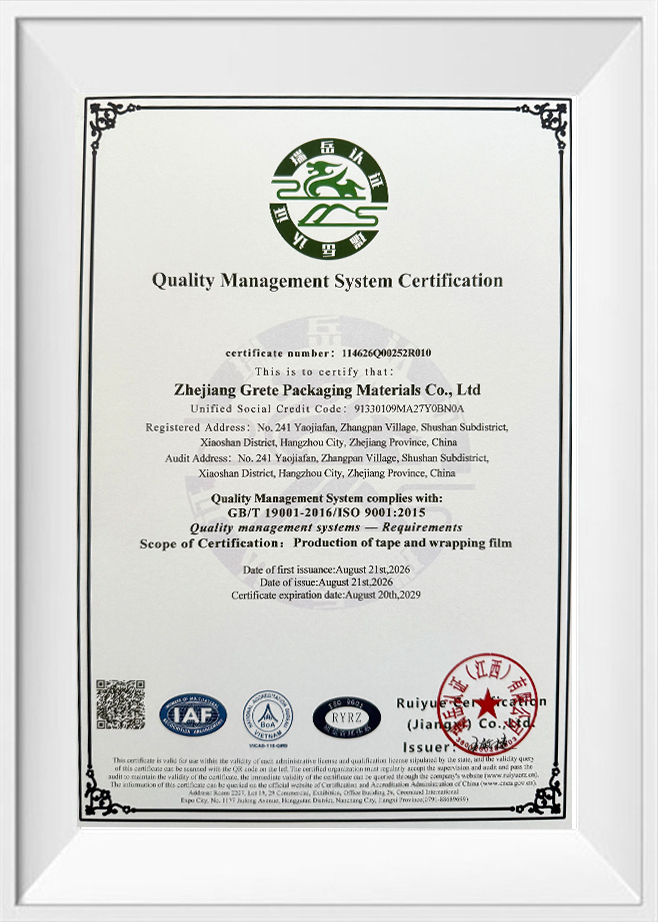 Quality Management System Certification
 -
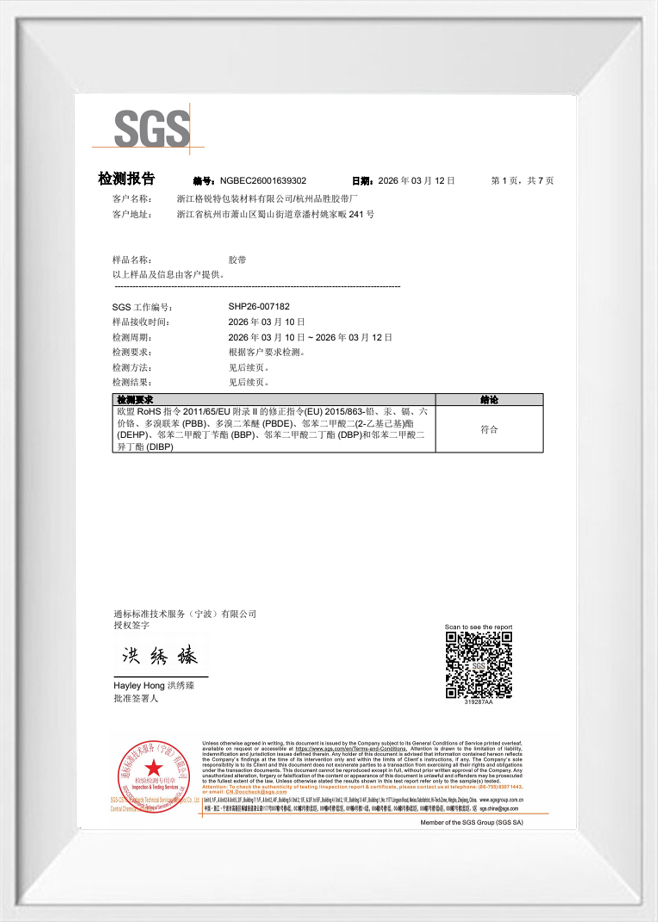 Test Report
 -
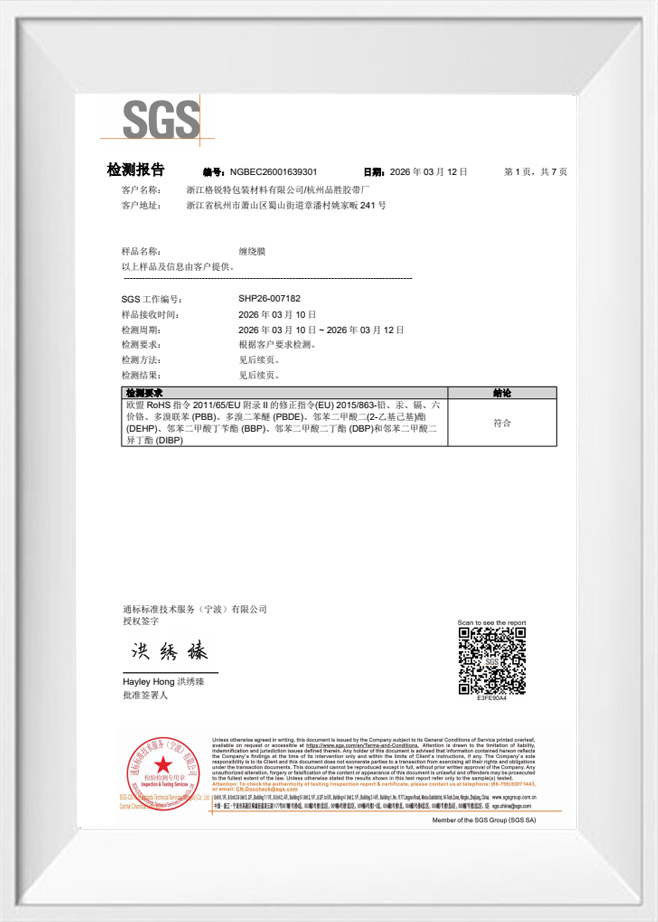 Test Report
 -
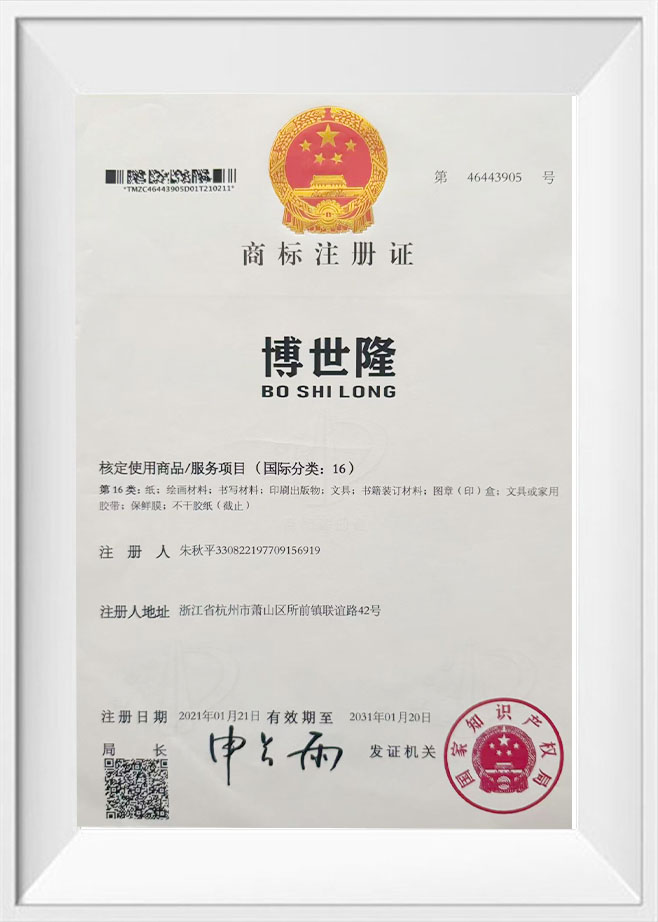 Trademark Registration Certificate
News
-
Industry News 2026-10-14
When a heavy machinery crate reaches a port warehouse after 40 days at sea, the difference between a secure bundle and a loose load often comes down to the strapping material. Steel straps rust, cut into corners, and require heavy-duty tools for tensioning. Polypropylene straps, on the other hand, creep under sustain...
View More -
Industry News 2026-10-07
A beverage plant lost two pallets of bottled product when the dark PET strap on a forklift-facing load snapped at a damaged weld. The operator could not see the weld because the opaque strap hid it. Transparent PET strapping removes that blind spot: the clear body shows weld quality, tension, and surface damage while...
View More -
Industry News 2026-09-30
A pallet of aluminum frames arrives with a snapped PP strap, a shifted top layer, and a 400 km ride ahead. That scene repeats daily, and it is why buyers switch to PET packing strap for loads that weigh, settle, or travel far. PET is the polyester cousin of polypropylene: it stretches less, holds tension longer, and ...
View More
Contact us now
Stretch Film Industry Knowledge Extension
Comprehensive Guide to Stretch Film in Modern Packaging
Introduction to Stretch Film
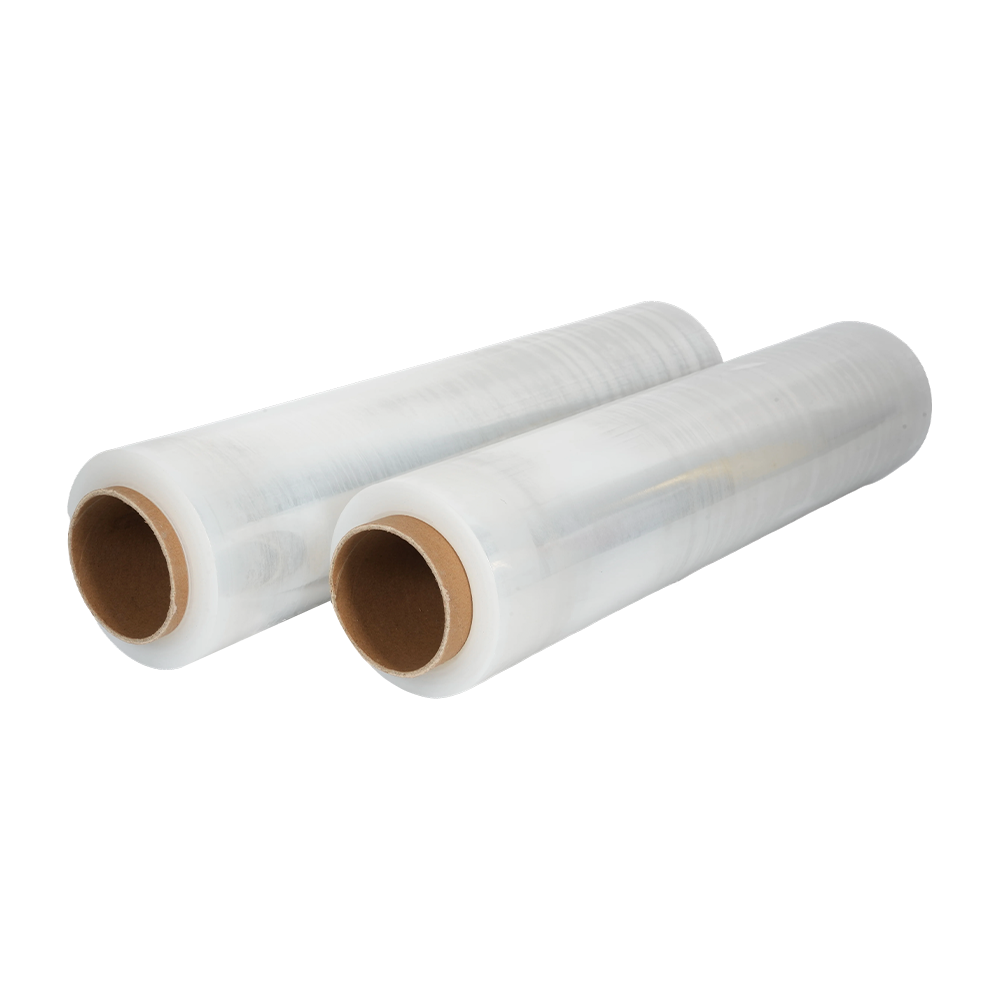
Stretch Film is a versatile packaging material widely used for securing and protecting goods during storage and transportation. It is highly valued in logistics, manufacturing, and retail industries for its strength, elasticity, and adaptability to various load types.
- Primarily made from polyethylene (PE), offering durability and resistance to puncture.
- Provides load stability and protects items from dust, moisture, and tampering.
- Available in different thicknesses, widths, and stretchability levels to suit different packaging needs.
Types of Stretch Film
Understanding the different types of Stretch Film helps in choosing the right solution for specific packaging requirements. Films vary based on material, cling properties, and intended application.
- Hand Stretch Film – designed for manual application, suitable for small to medium loads.
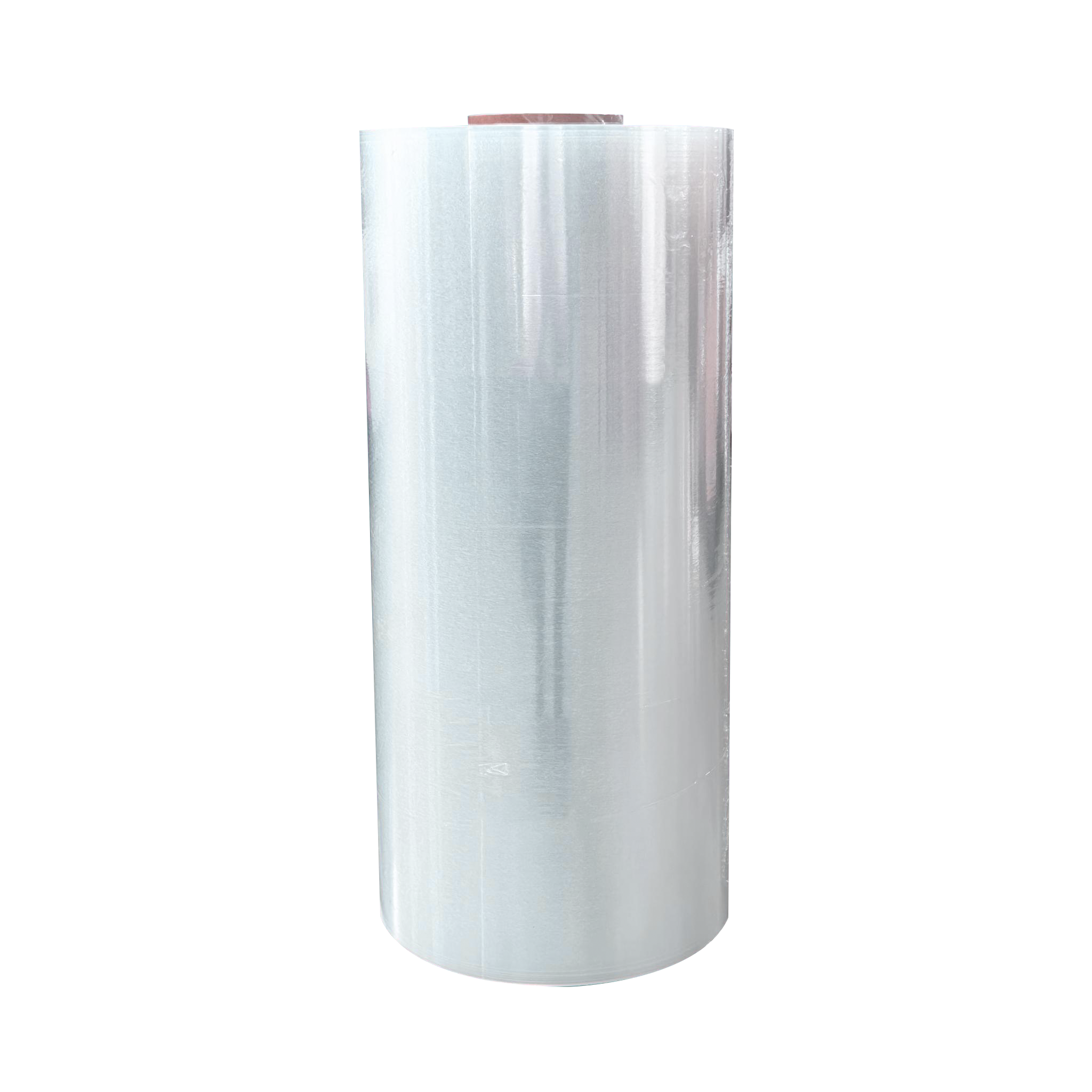
- Machine Stretch Film – optimized for use with automated stretch wrap machines, offering higher efficiency for large-scale operations.
- Pre-Stretched Film – reduces labor and improves efficiency while maintaining load security.
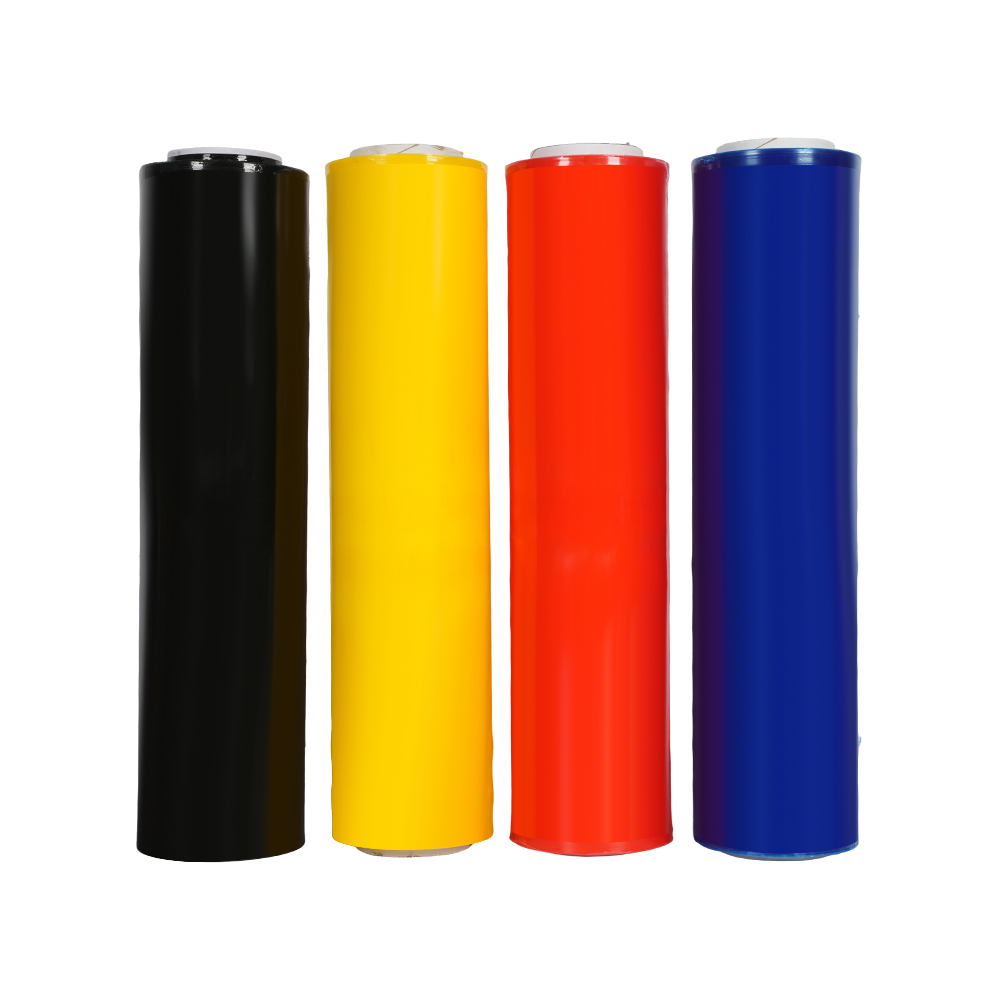
- Specialty Films – include colored, UV-resistant, and perforated films for unique requirements.
Key Features and Benefits
Selecting the appropriate Stretch Film ensures better load stability, cost savings, and operational efficiency. Below are the main features and benefits:
- High elasticity: Allows the film to stretch without breaking, wrapping tightly around loads.
- Excellent load retention: Keeps items securely together during transit.
- Transparent or tinted options: Supports inventory identification or color-coded organization.
- Reduced material consumption: High-performance films require fewer layers for the same protection.
Comparison of Common Stretch Film Types
| Type | Application | Thickness | Key Advantage |
| Hand Stretch Film | Manual wrapping for small pallets | 12-20 μm | Easy handling, cost-effective for small batches |
| Machine Stretch Film | Automated wrapping for large shipments | 15-23 μm | High efficiency, consistent load stability |
| Pre-Stretched Film | High-volume pallet wrapping | 17-30 μm | Labor-saving, reduces waste |
| Specialty Film | Colored or UV-protected applications | Varies by type | Customization for specific industry needs |
Applications of Stretch Film
Stretch Film is extensively used across industries to improve operational efficiency and product protection. Its versatility makes it a core material in packaging strategies.
- Logistics and warehousing: Secures palletized goods during storage and transport.
- Manufacturing: Bundles components and prevents damage during internal handling.
- Retail and e-commerce: Protects products during shipping and handling.
- Food and beverage: Maintains hygiene while providing tamper evidence.
Best Practices for Using Stretch Film
Optimizing Stretch Film usage requires attention to tension, wrapping pattern, and load type.
- Ensure even tension to avoid over-stretching or tearing.
- Wrap from the bottom up, overlapping layers for maximum load security.
- Use pre-stretched films for high-volume applications to reduce labor and material costs.
- Store film rolls in a cool, dry environment to maintain elasticity and cling performance.
FAQ
What is the difference between hand and machine stretch film?
Hand and machine stretch film differ mainly in application method, thickness, and elasticity. Hand film is thinner and designed for manual wrapping, suitable for small pallets or irregularly shaped loads. Machine film is thicker, more elastic, and optimized for automated equipment, ensuring consistent tension and higher productivity.
How do I choose the right stretch film for my pallet loads?
Selecting the appropriate stretch film depends on load size, weight, stability, and environmental conditions. Consider the following:
- Load weight and dimensions: Heavier pallets may require thicker, high-elasticity film.
- Handling and transport conditions: Long-distance shipping or rough handling may need multi-layer or pre-stretched film.
- Environmental exposure: UV-resistant or colored films protect goods from sunlight or contamination.
Can stretch film improve sustainability in packaging?
Yes, modern stretch film can contribute to sustainable packaging by reducing material usage, optimizing load stability, and minimizing transportation-related damage. Pre-stretched and high-performance films allow fewer layers to achieve the same protection, lowering plastic consumption and improving operational efficiency.
What are the common mistakes when using stretch film?
Common mistakes include:
- Applying too little tension, leading to loose loads.
- Over-stretching causes film breakage and waste.
- Using the wrong film type for the load, which compromises security and protection.
- Ignoring storage conditions, which can degrade film performance.
Proper training and selecting the right film type can prevent these issues.
CONTACT DETAILS
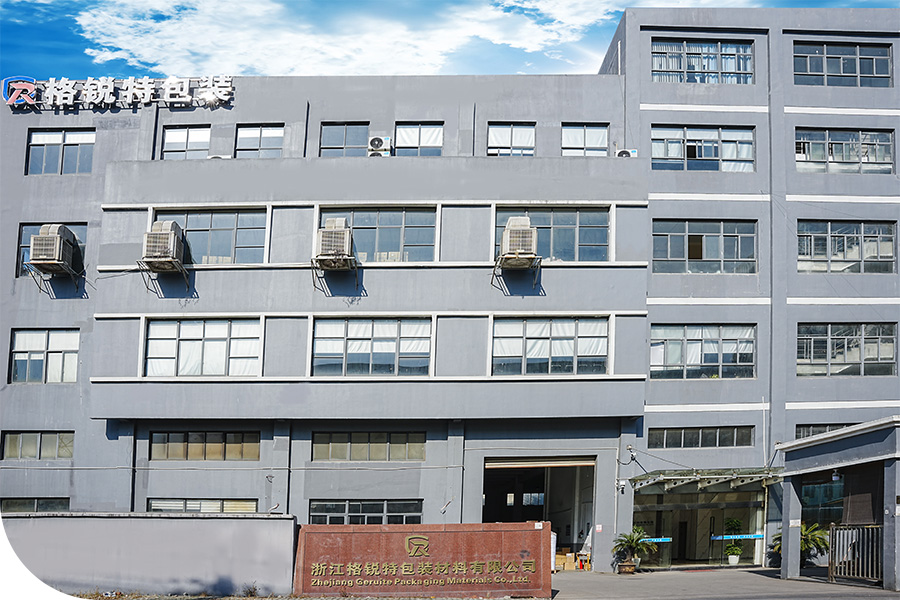
- Address:No. 241, Yaojiafan, Zhangpanqiao, Shushan Street, Xiaoshan District, Hangzhou City, Zhejiang Province, China
- TEL:+86-0571-83175630
- Phone:+86-13336160217
- Email:[email protected]
PRODUCTS
NEWS CENTER
MOBILE TERMINAL
Copyright© Zhejiang Geruite Packaging Materials Co., Ltd. All Rights Reserved.
Privacy Stretch Film Custom