-
 +86-0571-83175630
-
 [email protected]

 English
  Español
  عربى
عربى 
industrial Film Suppliers
-
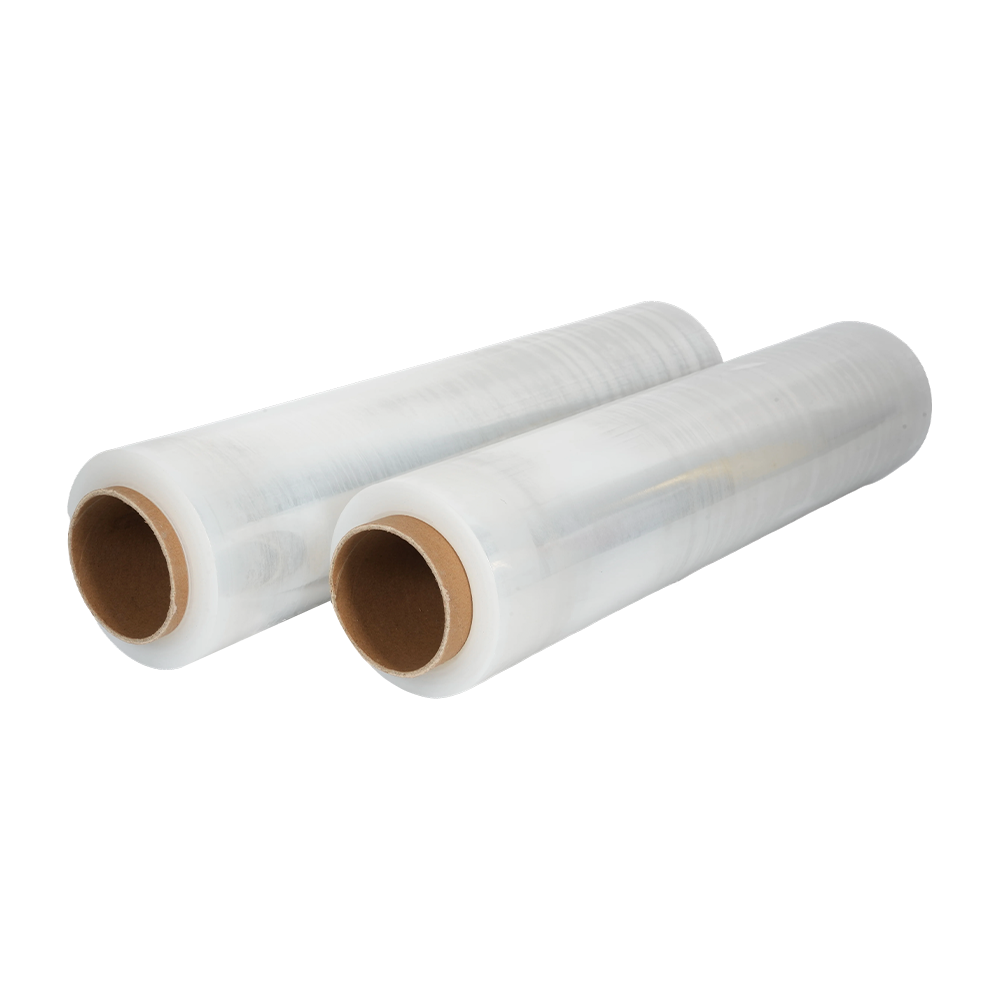
PE Hand-held stretch wrap
-
Transparent machine stretch film
-
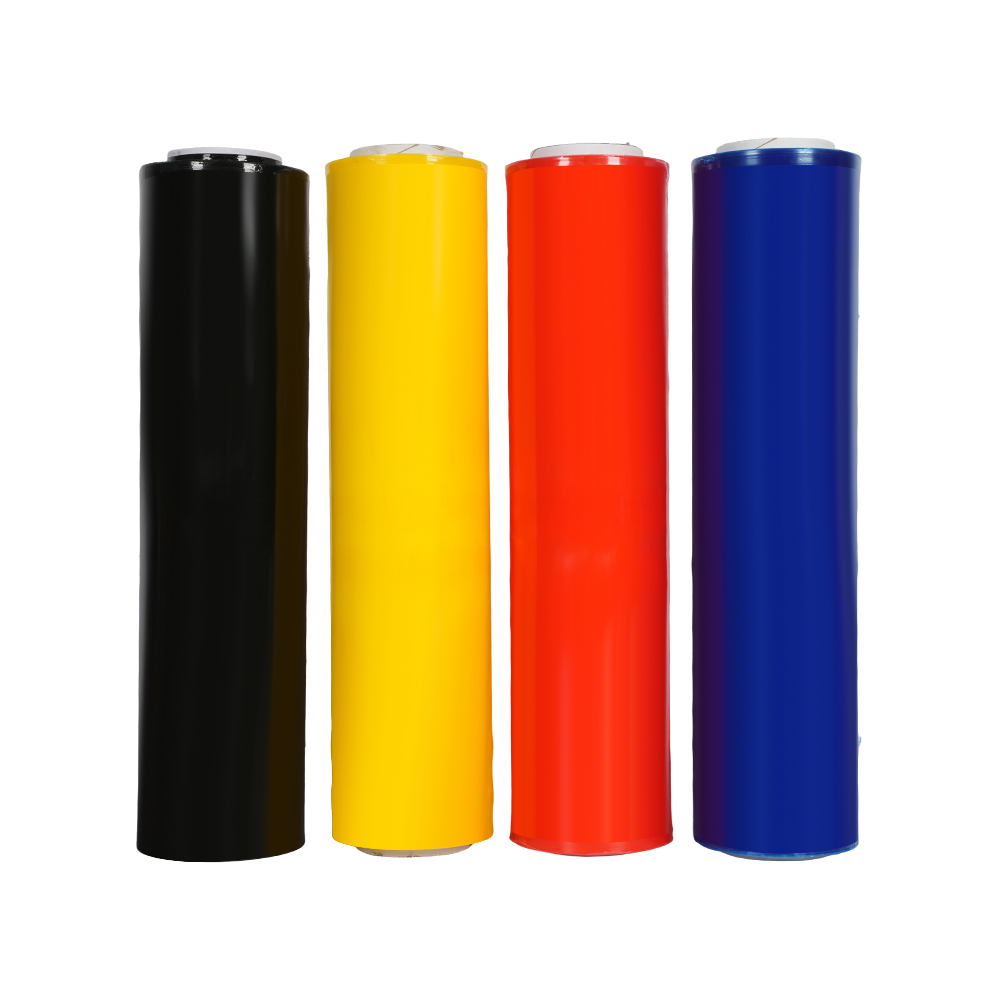
0.015MM-0.045MM Thickness Colored stretch wrap
-
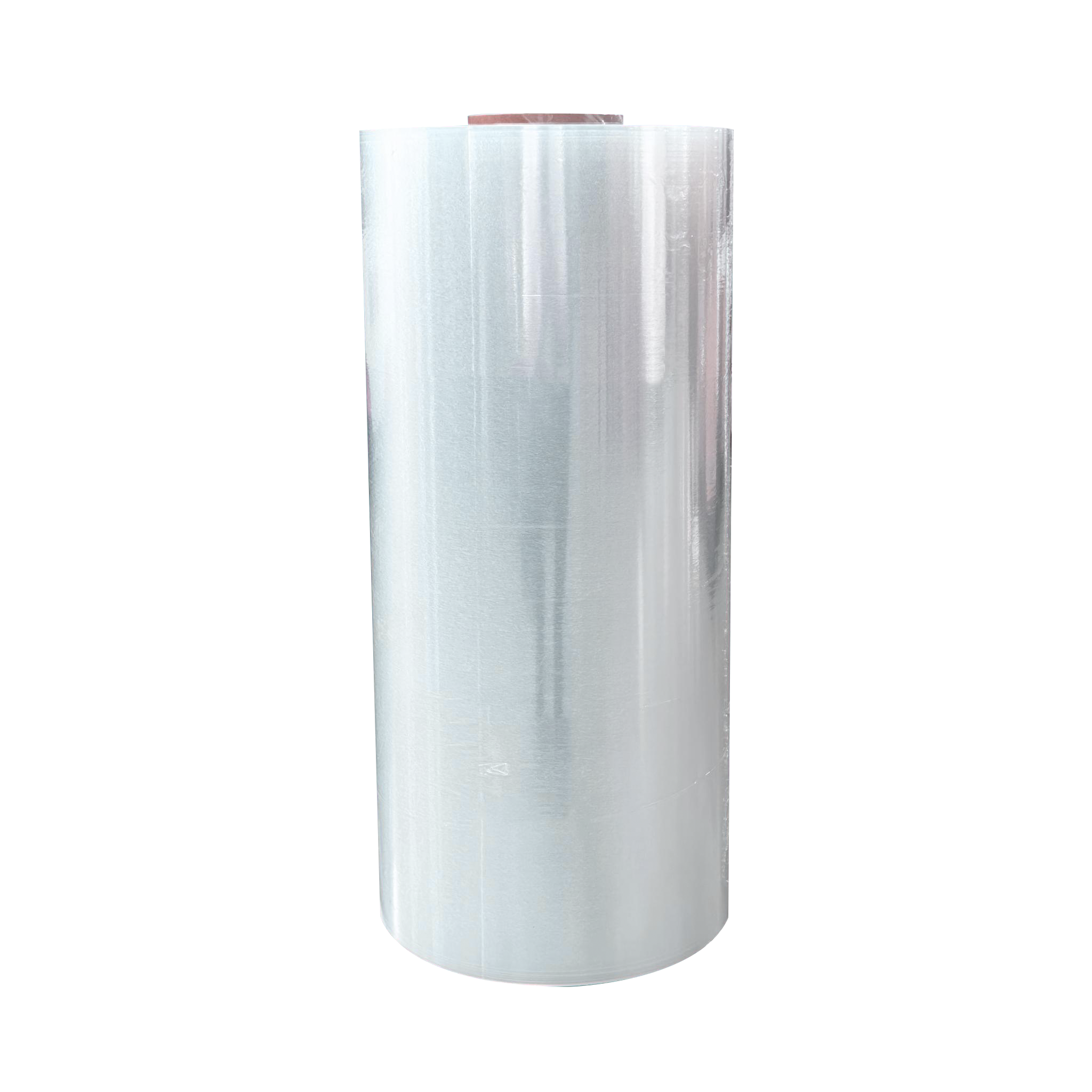
PE + Metallocene Materials Stretch film master roll
-
Clear Construction Building Protective Plastic Sheeting Film
-
0.03-0.06 Products protective film
-
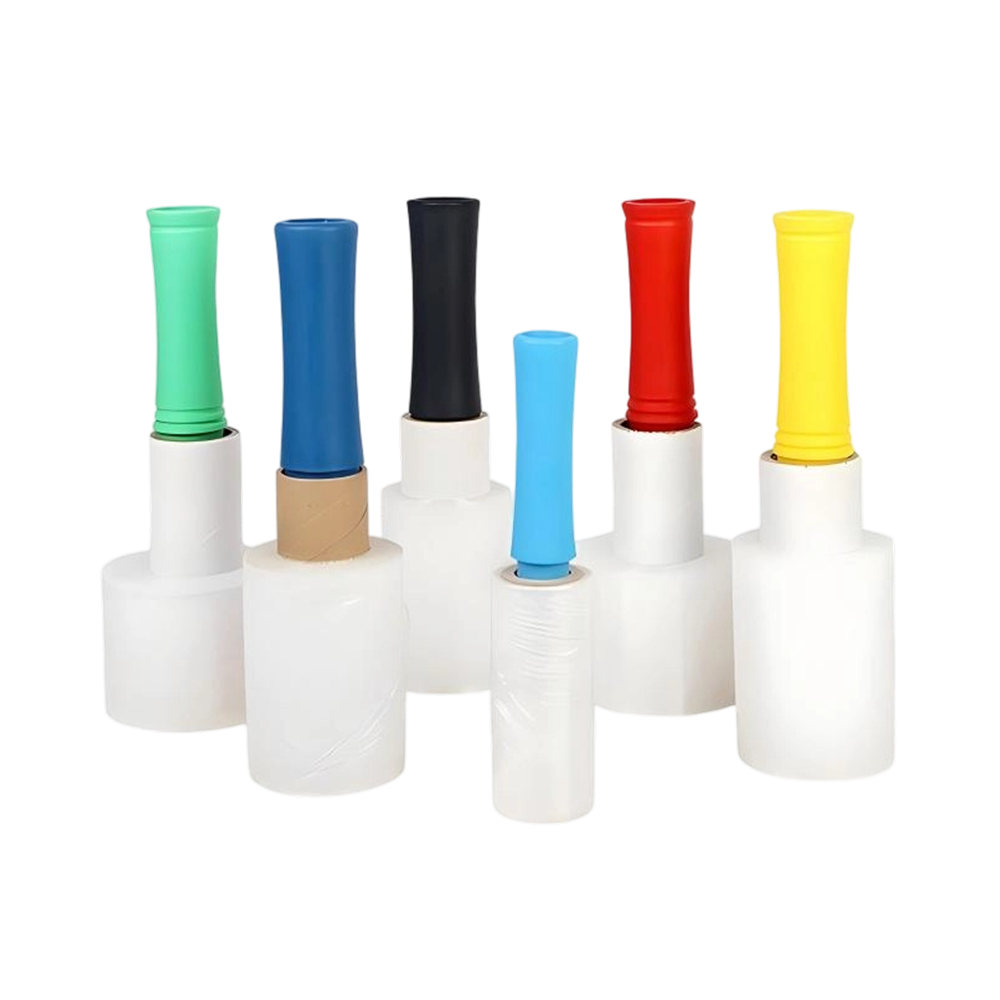
Hand Stretch Film Hand Saver
-
Hand Stretch Film Manual Film Dispenser
-
Hand Stretch Film Short Handle
-
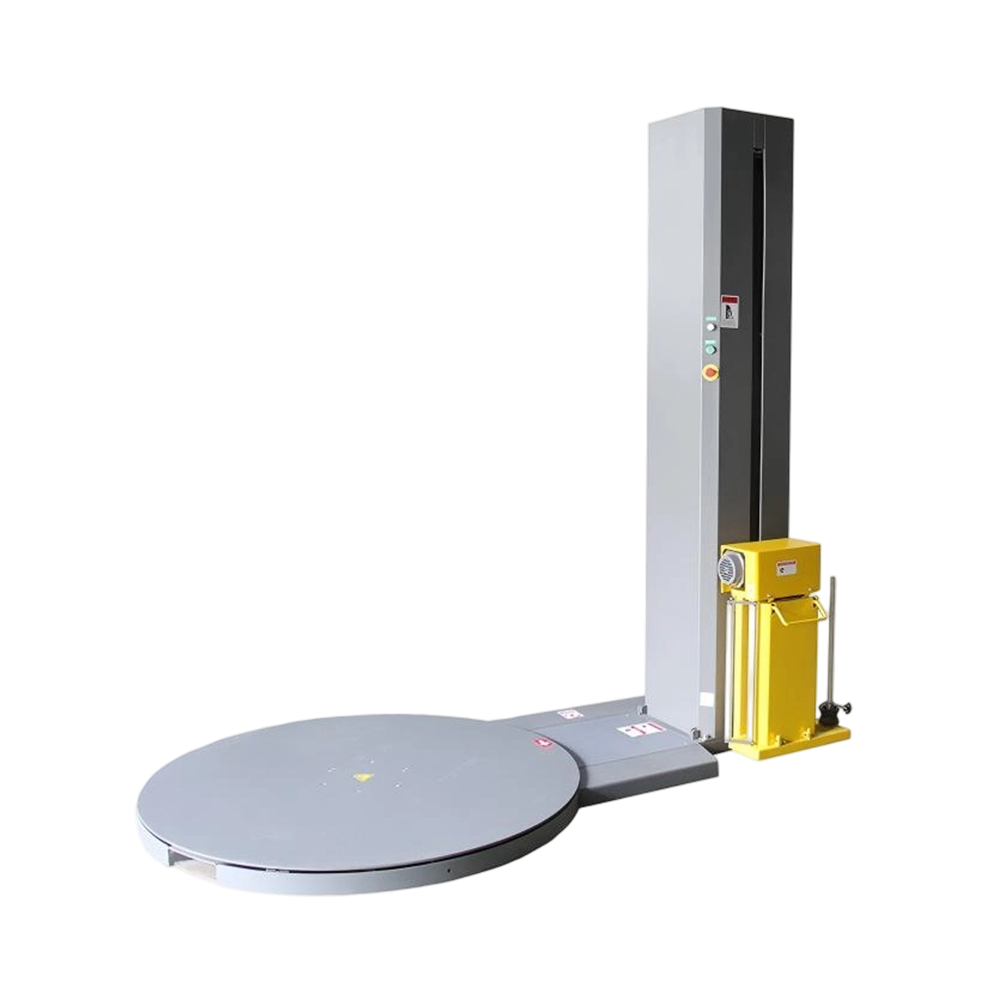
Turntable Wrapping Machine

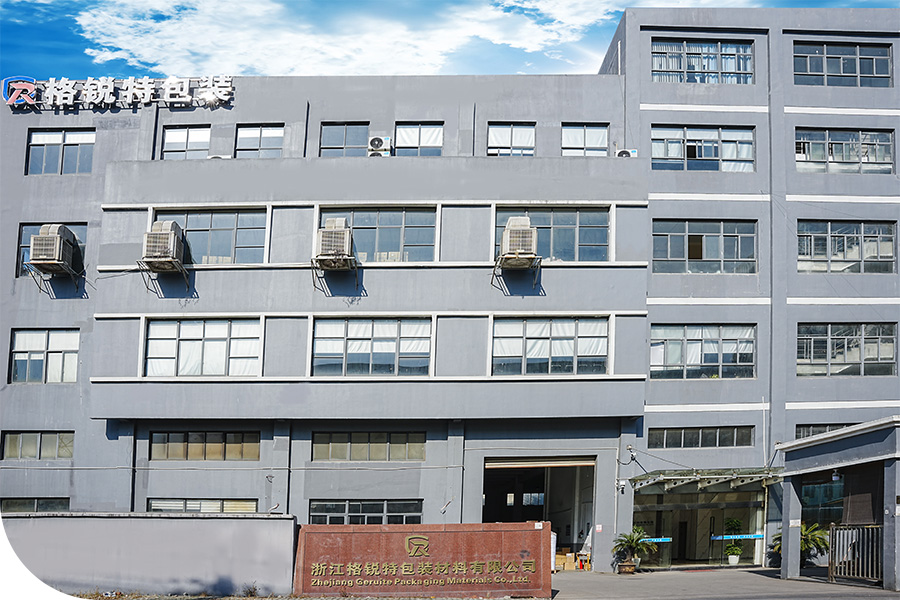
Honor
-
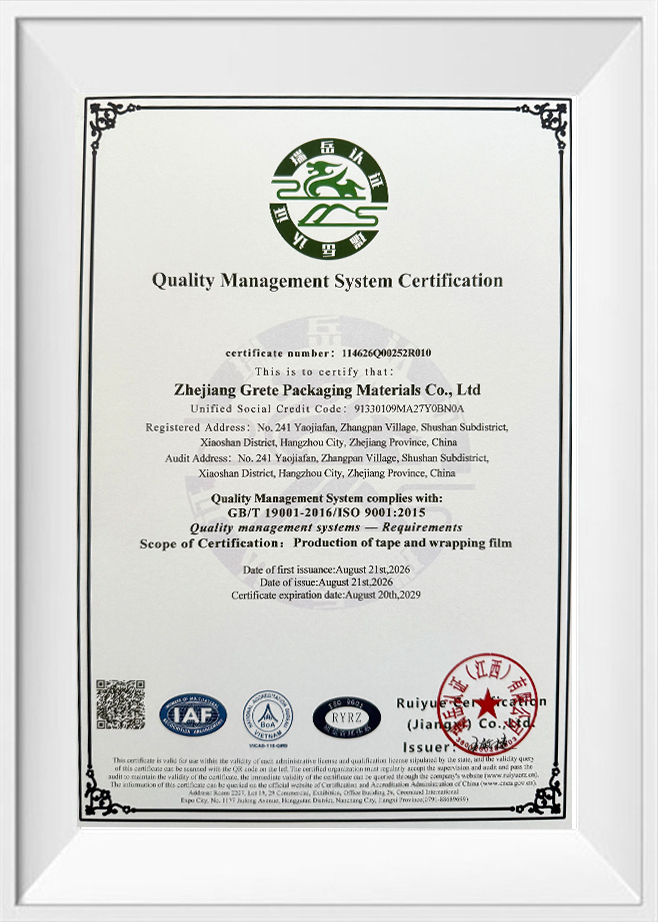 Quality Management System Certification
 -
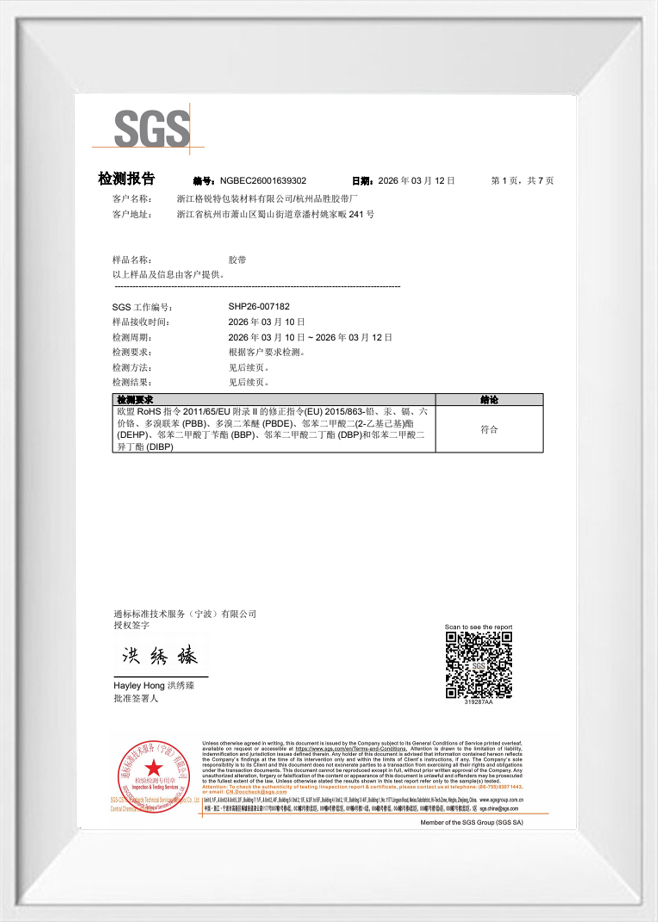 Test Report
 -
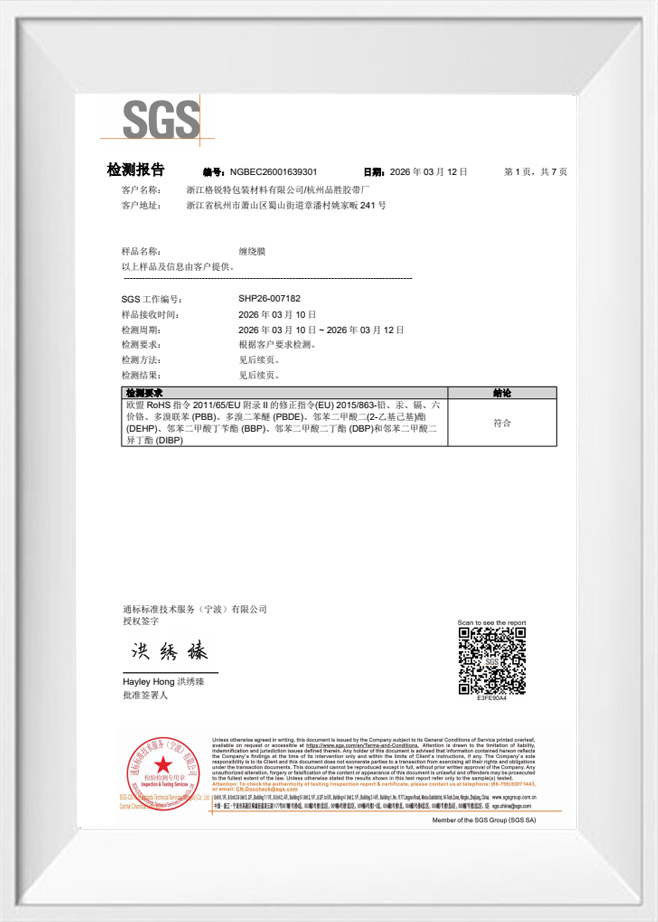 Test Report
 -
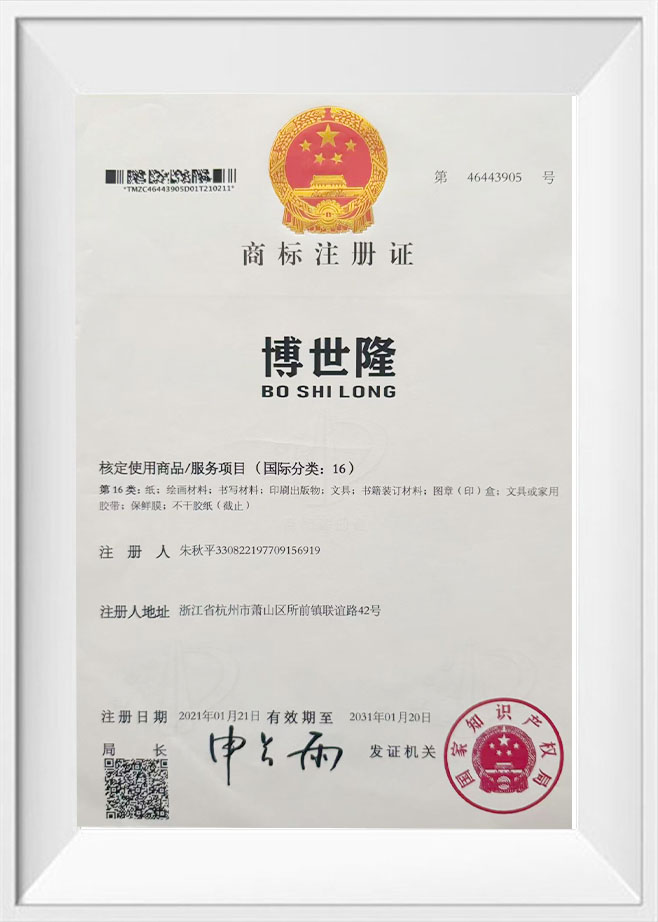 Trademark Registration Certificate
News
-
Industry News 2026-10-14
When a heavy machinery crate reaches a port warehouse after 40 days at sea, the difference between a secure bundle and a loose load often comes down to the strapping material. Steel straps rust, cut into corners, and r...
View More -
Industry News 2026-10-07
A beverage plant lost two pallets of bottled product when the dark PET strap on a forklift-facing load snapped at a damaged weld. The operator could not see the weld because the opaque strap hid it. Transparent PET str...
View More -
Industry News 2026-09-30
A pallet of aluminum frames arrives with a snapped PP strap, a shifted top layer, and a 400 km ride ahead. That scene repeats daily, and it is why buyers switch to PET packing strap for loads that weigh, settle, or tra...
View More -
Industry News 2026-09-22
A beverage plant lost two pallets of bottled product when the dark PET strap on a forklift-facing load snapped at a damaged weld. The operator could not see the weld because the opaque strap hid it. Transparent PET str...
View More
Contact us now
Stretch Film & Accessories Industry Knowledge Extension
What Are the Most Common Mistakes to Avoid When Using Stretch Film for Packaging?
Stretch film, also known as stretch wrap, is a popular and essential material for securing and stabilizing products in packaging, especially in logistics and transportation. It ensures the safety of goods during handling and shipping, offering excellent protection against dust, moisture, and tampering. However, improper use of stretch film can lead to inefficiencies, damage to the products, and even safety hazards.
Choosing the Wrong Type of Stretch Film
One of the most common mistakes when using stretch film is selecting the wrong type of film for the job. Stretch films are available in various materials, thicknesses, and stretch capabilities, and each type is designed for specific uses. For instance, PE stretch film is commonly used for securing lighter loads, while high-strength PET strapping is more suitable for heavy-duty applications.
Mistake to Avoid:
- Using a standard film for high-weight loads, or choosing a film that is too thick for light-duty applications, leading to unnecessary costs.
How to Avoid:
- Consult Product Specifications: Always review the product specifications to determine the best type of stretch film for your specific packaging needs.
- Choose Quality Products: Zhejiang Geruite Packaging Materials Co., Ltd. offers a comprehensive range of stretch film and strapping solutions, ensuring that you can select the products best suited to your specific needs.
| Type of Stretch Film | Material | Application | Thickness Range |
|---|---|---|---|
| PE Stretch Film | Polyethylene | General packaging, light-duty | 15–30 microns |
| PP Strapping Film | Polypropylene | Heavy-duty packaging, palletizing | 25–50 microns |
| PET High-Strength Strapping | PET | High-strength stabilization | 30–70 microns |
Incorrect Stretching of the Film
Stretch film works by stretching it to create tension around the package, which ensures that the load is secure. However, under-stretching or over-stretching the film can cause issues.
Mistake to Avoid:
- Under-Stretching: Failing to stretch the film enough can result in loose packaging that doesn’t provide adequate protection.
- Over-Stretching: Stretching the film too much can lead to film breakage during wrapping or transportation.
How to Avoid:
- Use the Right Equipment: A stretch wrap machine can help control the stretching process and ensure consistent performance. Make sure the machine is calibrated according to the film’s specifications.
- Follow Manufacturer Guidelines: Check the manufacturer’s recommendations on how much to stretch the film for optimal performance.
Inconsistent Wrapping Patterns
Inconsistent wrapping patterns can lead to inefficient use of the film, which results in uneven pressure distribution on the packaged items. This inconsistency can affect the stability of the load and lead to product damage.
Mistake to Avoid:
- Wrapping the load in an inconsistent pattern, such as failing to overlap layers properly or leaving gaps between the wraps.
How to Avoid:
- Adopt a Systematic Wrapping Technique: Whether manual or machine-assisted, ensure that each layer of the stretch film overlaps by at least 50%, providing consistent coverage and pressure on all sides of the package.
- Training Operators: If using manual wrapping, ensure that operators are trained on proper wrapping techniques to maintain consistency.
Overuse or Underuse of Stretch Film
Using too much stretch film not only increases costs but also wastes valuable resources. On the other hand, using too little film can result in weak packaging that doesn’t provide sufficient protection during transit.
Mistake to Avoid:
- Applying too much film to an item, causing unnecessary waste, or using too little, resulting in poor load stability.
How to Avoid:
- Measure and Plan: Always plan the amount of film you need based on the size and weight of the load. This can help reduce material waste and ensure that the load is properly stabilized.
- Utilize Stretch Film Calculators: Zhejiang Geruite Packaging Materials Co., Ltd., offer tools to help businesses calculate the exact amount of stretch film needed per pallet, reducing waste.
Not Using the Right Equipment for the Job
Whether wrapping manually or using automated systems, the right equipment plays a critical role in the efficiency and effectiveness of packaging. Using inappropriate or poorly maintained machinery can lead to uneven wrapping, film breakage, and even safety issues.
Mistake to Avoid:
- Using low-quality or inappropriate stretch film machines that cannot handle the type of film being used or fail to apply the correct tension.
How to Avoid:
- Invest in High-Quality Equipment: Ensure that the stretch wrap machine is suited for the specific type of stretch film being used. Regular maintenance and checks on the equipment will also ensure it works efficiently.
- Use Automatic or Semi-Automatic Wrappers: If you are dealing with high volumes, consider investing in automatic or semi-automatic stretch wrapping machines for consistent and effective wrapping.
Improper Storage of Stretch Film
Stretch film is a delicate material, and improper storage can cause it to lose its elasticity and become ineffective for packaging. Exposure to high temperatures, humidity, or direct sunlight can degrade the film.
Mistake to Avoid:
- Storing stretch film in unsuitable conditions, such as high heat or humidity, which causes the material to lose its stretch capacity.
How to Avoid:
- Store Properly: Always store stretch film rolls in a cool, dry place, away from direct sunlight and extreme temperatures, to maintain their performance.
7. Failure to Conduct Regular Quality Checks
Stretch film quality can vary based on the production batch. Regular quality checks are necessary to ensure that the film you are using meets the required specifications and performs as expected.
Mistake to Avoid:
- Assuming that all batches of stretch film are consistent without performing regular checks, leading to potential packaging failures.
How to Avoid:
- Conduct Regular Inspections: Test film rolls for stretch, thickness, and tear resistance before use to ensure that the material will perform optimally. Work with a reliable supplier like Zhejiang Geruite Packaging Materials Co., Ltd., which implements strict quality control processes to ensure consistent quality.
FAQ
1. What is the best stretch film for heavy-duty packaging?
For heavy-duty applications, high-strength PET strapping is recommended due to its superior load-holding capacity.
2. How do I know if I am stretching the film enough?
The stretch film should be stretched to about 200-300% of its original length for optimal performance. A machine with automatic tension settings can help ensure consistency.
3. Can I use stretch film for all types of products?
Stretch film is versatile and can be used for most products, but for extremely sharp or abrasive edges, additional protective layers may be required to prevent film damage.
4. How can I reduce stretch film waste?
To reduce waste, ensure you are using the right amount of film for the size and weight of the product. Consider using stretch film calculators or consulting with your supplier to optimize film usage.
5. Why is my stretch film breaking during use?
Stretch film breakage could be caused by improper machine settings, over-stretching, or using low-quality film. Ensure proper machine maintenance and use high-quality films like those provided by Zhejiang Geruite Packaging Materials Co., Ltd. for better performance.
CONTACT DETAILS
- Address:No. 241, Yaojiafan, Zhangpanqiao, Shushan Street, Xiaoshan District, Hangzhou City, Zhejiang Province, China
- TEL:+86-0571-83175630
- Phone:+86-13336160217
- Email:[email protected]
PRODUCTS
NEWS CENTER
MOBILE TERMINAL
Copyright© Zhejiang Geruite Packaging Materials Co., Ltd. All Rights Reserved.
Privacy Custom industrial Film Suppliers