-
 +86-0571-83175630
-
 [email protected]

 English
  Español
  عربى
عربى 
Kraft Paper Tape: Types, Specifications & Packaging Applications
Content
- 1 What Is Kraft Paper Tape and Why Does It Matter for Packaging?
- 2 Self Adhesive Kraft Tape vs. Water-Activated Tape: A Technical Comparison
- 3 Key Specifications to Evaluate When Sourcing Kraft Packaging Tape
- 4 Sustainability Profile: How Kraft Paper Tape Compares to Plastic Alternatives
- 5 Primary Applications Across Industries
- 6 Custom Printing on Kraft Packaging Tape: Brand and Security Applications
What Is Kraft Paper Tape and Why Does It Matter for Packaging?
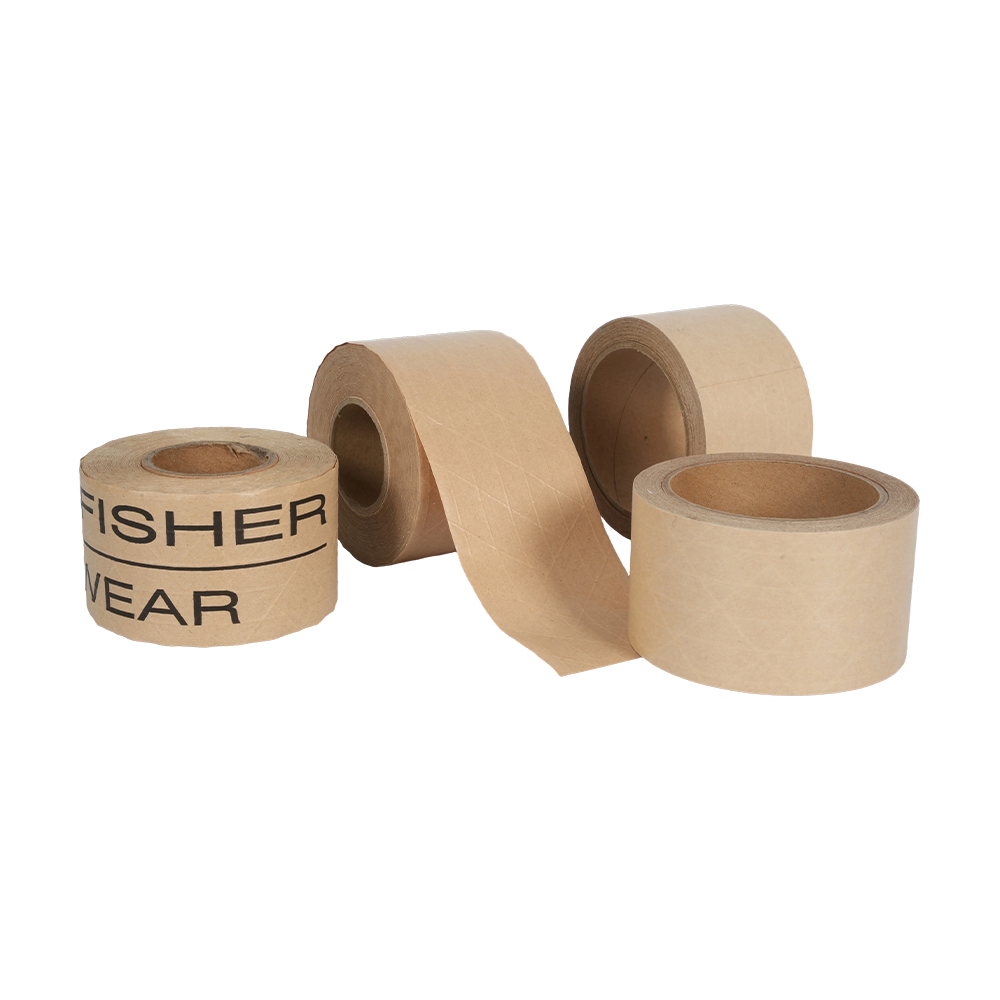
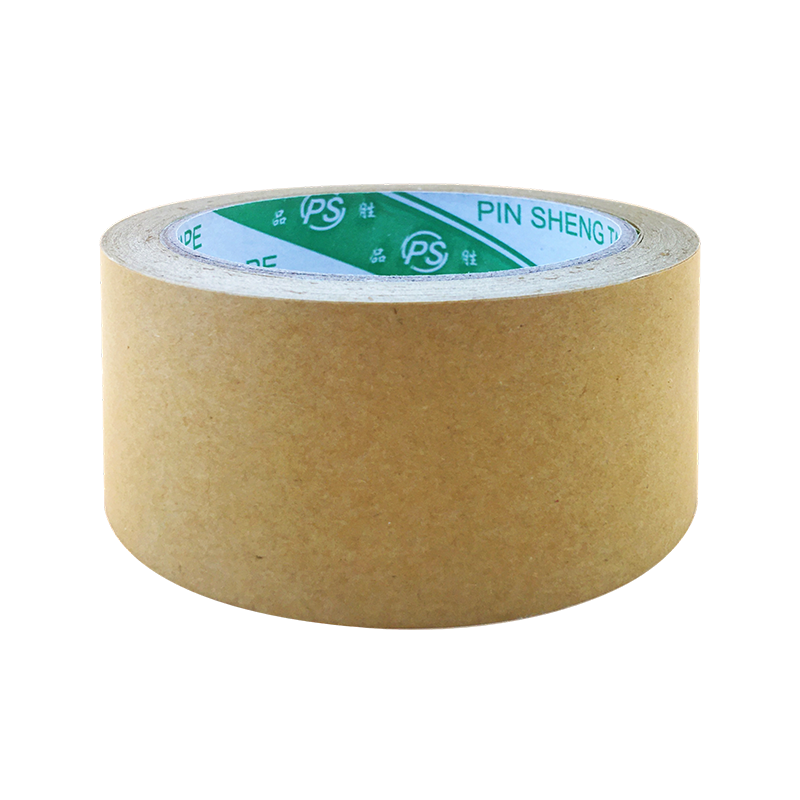
Kraft paper tape is a paper-based adhesive tape made from kraft pulp — a wood pulp processed through the kraft chemical method that produces strong, tear-resistant fibers. Unlike plastic-based tapes such as BOPP or PVC, kraft packaging tape is entirely or predominantly paper, giving it a unique combination of mechanical strength, printability, and environmental compatibility.
Its growing adoption in e-commerce, retail, and industrial shipping is driven by three converging pressures: tighter sustainability mandates from major retailers and logistics providers, rising consumer expectations around eco-friendly unboxing experiences, and the practical durability demands of high-throughput fulfillment operations. Kraft tape addresses all three without sacrificing seal integrity on corrugated cartons.
There are two primary variants on the market: water-activated kraft paper tape (WAT), which forms a permanent bond by moistening a starch-based adhesive, and self adhesive kraft tape, which uses a pressure-sensitive adhesive (PSA) requiring no water dispenser. Each serves distinct workflows, and choosing between them significantly affects line speed, equipment investment, and bond permanence.
Self Adhesive Kraft Tape vs. Water-Activated Tape: A Technical Comparison
Self adhesive kraft tape uses a factory-applied PSA layer — typically hot-melt or acrylic — laminated to the back of the kraft paper. It bonds on contact with light hand pressure, requires no wet activation, and works with standard tape dispensers already present in most packing stations. This makes it the faster, lower-friction choice for operations that don't want to invest in water-activated dispensing equipment.
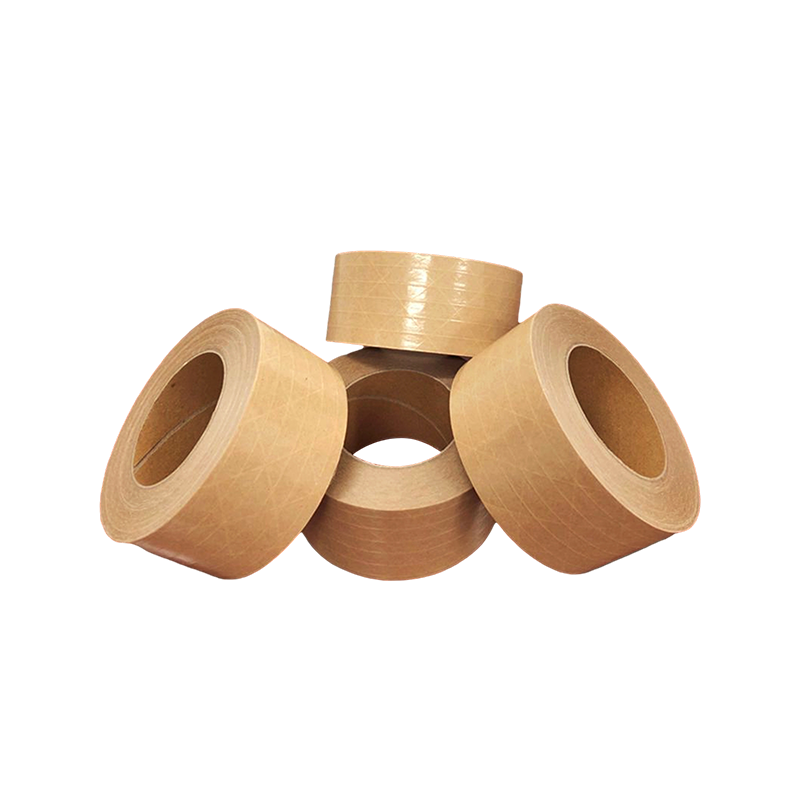
Water-activated kraft packaging tape, by contrast, achieves its bond by rehydrating a starch or dextrin adhesive when passed through a dispenser. Once moistened and applied, the adhesive penetrates the top liner of the corrugated board and creates a fiber-tear bond — meaning the tape cannot be removed cleanly without visibly damaging the carton. This tamper-evidence property is highly valued in high-value goods fulfillment, pharmaceutical logistics, and any supply chain requiring audit integrity.
| Feature | Self Adhesive Kraft Tape | Water-Activated Kraft Tape |
|---|---|---|
| Activation Method | Pressure only | Water + pressure |
| Equipment Required | Standard dispenser | Water-activated dispenser |
| Bond Strength | High (surface adhesion) | Very high (fiber-tear) |
| Tamper Evidence | Moderate | Excellent |
| Line Speed Impact | Minimal | Requires dispenser dwell time |
| Printability | Good | Excellent (surface absorbs ink well) |
| Recyclability | Generally yes (check adhesive) | Yes (starch adhesive) |
For most mid-volume shippers (under 500 cartons per shift), self adhesive kraft tape delivers an excellent cost-to-performance balance. For high-volume distribution centers or operations shipping goods subject to customs inspection or returns fraud, water-activated tape's fiber-tear seal is difficult to surpass.
Key Specifications to Evaluate When Sourcing Kraft Packaging Tape
Not all kraft packaging tape performs equally. Procurement teams comparing suppliers should evaluate the following technical parameters before committing to a SKU or supplier:
- Basis weight of the kraft paper facing — typically expressed in g/m² (gsm). Common grades range from 60 gsm to 110 gsm. Higher gsm translates to greater tear resistance and better print opacity, but adds cost and roll weight.
- Adhesive type and coat weight — hot-melt adhesives offer superior cold-temperature performance (important for cold chain packaging), while acrylic PSAs provide better UV resistance and long-term aging stability. Coat weight, measured in g/m², directly affects tack and peel strength.
- Reinforcement — some kraft tapes include a glass fiber or polyester filament scrim layer between the paper and adhesive. This dramatically increases tensile strength in the machine direction, making reinforced kraft tape suitable for strapping heavy cartons or unitizing palletized loads.
- Release liner type — for self adhesive formats, the liner's release value (measured in cN/cm) affects unwinding ease, particularly on high-speed automated dispensers. Silicone-coated liners are standard; the specific release force should be matched to dispenser specifications.
- Tape width and roll length — standard widths for carton sealing run from 48 mm to 72 mm. Custom widths are available for branded or specialized applications. Roll lengths (typically 50 m to 100 m) affect changeover frequency on packing lines.
- Surface finish — natural brown kraft, bleached white kraft, and printed versions are available. White kraft offers a cleaner look for retail-facing packaging; natural brown is the default for industrial and shipping applications.
Request test rolls from prospective suppliers and run adhesion tests on the actual corrugated grade used in your operation. Bond performance on B-flute versus E-flute corrugated can vary meaningfully depending on liner roughness and surface treatment.
Sustainability Profile: How Kraft Paper Tape Compares to Plastic Alternatives
The environmental case for kraft packaging tape rests on three pillars: material origin, end-of-life behavior, and supply chain transparency. On all three, kraft tape outperforms conventional BOPP or PVC tape in most life cycle frameworks.
Material Origin
Kraft pulp is derived from wood fiber, a renewable raw material. Leading tape manufacturers source paper facings certified under FSC (Forest Stewardship Council) or PEFC schemes, providing chain-of-custody documentation for customers with sustainability reporting obligations. BOPP, by contrast, is a petroleum-derived polypropylene film with no renewable feedstock pathway in current commercial production.
Recyclability and Repulpability
Kraft tape applied to corrugated cartons can typically remain on the box through standard OCC (old corrugated container) recycling streams. The paper facing disperses in the pulping process; starch-based adhesives (used on water-activated tapes) dissolve readily. Hot-melt PSAs used in self adhesive kraft tape are removed through the screening stage of most recycled fiber mills, though some mills may flag high coat weights. Buyers should verify repulpability with their local recycling infrastructure and request compliance data from suppliers — particularly for tapes with synthetic rubber adhesives or heavily coated papers.
Regulatory Alignment
With extended producer responsibility (EPR) legislation expanding across the EU, UK, and several U.S. states, packaging components that cannot enter existing recycling streams face increasing compliance costs. Kraft tape's alignment with paper recycling infrastructure positions it favorably under most current and proposed EPR frameworks. For brands reporting under CDP, the Science Based Targets initiative (SBTi), or similar ESG programs, switching from plastic to kraft tape can contribute to measurable scope 3 emissions reductions in upstream packaging.
Primary Applications Across Industries
Kraft paper tape and kraft packaging tape serve a broad range of industries, each with distinct performance priorities:
- E-commerce fulfillment — high-volume carton sealing, returns reduction through tamper-evident bonds, brand printing on tape for premium unboxing experiences.
- Retail and FMCG — shelf-ready packaging, bundling multipacks, closing display boxes. White kraft tape offers a clean aesthetic consistent with retail presentation standards.
- Industrial shipping — reinforced kraft tape with filament scrim is used for strapping wooden crates, securing heavy machinery components, and edge reinforcement on oversized corrugated.
- Food and beverage — kraft tape's compatibility with paper recycling streams is valued by food brands operating under sustainable packaging commitments. Starch-adhesive WAT variants are preferred where food-contact adjacency is a consideration.
- Moving and storage — consumer-grade self adhesive kraft tape is widely used in household and professional moving applications, where ease of hand-tearing and surface writeability (boxes can be labeled directly on the tape) are practical advantages.
- Masking and surface protection — creped kraft tape variants, while a distinct product segment, share the same kraft paper base and are used for paintwork masking, bundling, and surface protection in construction and manufacturing.
Custom Printing on Kraft Packaging Tape: Brand and Security Applications
One underutilized capability of kraft tape is its printability. The uncoated or lightly coated kraft surface absorbs water-based and UV-cured inks well, enabling high-contrast flexographic or digital printing of logos, barcodes, handling instructions, and security patterns directly onto the tape face.
For brand-forward companies, custom-printed kraft packaging tape converts every shipped carton into a brand touchpoint at minimal incremental cost compared to unprinted stock. Minimum order quantities for custom flexo-printed kraft tape typically start at 5,000 to 10,000 rolls depending on supplier, with setup costs amortized over the run. Digital printing options are emerging for shorter runs (500–2,000 rolls), enabling seasonal or campaign-specific designs.
For security applications, void-pattern or sequential-number printing on kraft tape provides a low-cost deterrent against carton tampering or product substitution in transit. When combined with water-activated kraft tape's fiber-tear bond, printed security tapes make evidence of interference immediately visible to receivers and inspectors.
Buyers specifying custom-printed tape should provide artwork in vector format (AI or EPS), confirm ink color matching against Pantone references, and request a pre-production proof on the actual tape substrate. Ink adhesion and rub resistance on kraft paper vary by adhesive layer and surface treatment, so production sample approval is strongly recommended before full-run commitment.
LATEST POST
Let’s create something amazing together
contact us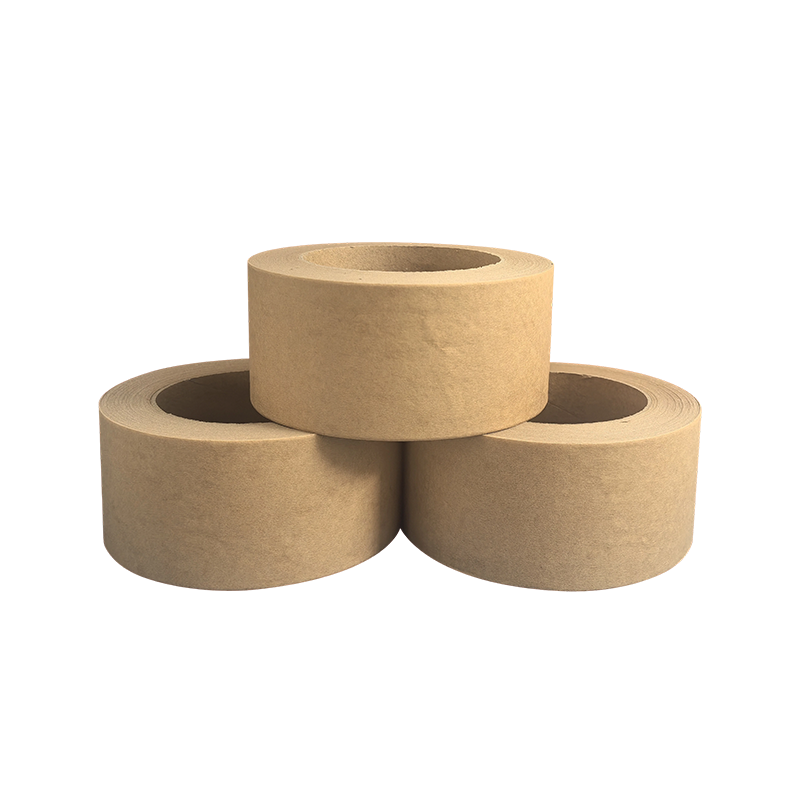
CONTACT DETAILS
- Address:No. 241, Yaojiafan, Zhangpanqiao, Shushan Street, Xiaoshan District, Hangzhou City, Zhejiang Province, China
- TEL:+86-0571-83175630
- Phone:+86-13336160217
- Email:[email protected]
- WeChat/WhatsApp:+86-18058115265
PRODUCTS
NEWS CENTER
MOBILE TERMINAL
Copyright© Zhejiang Geruite Packaging Materials Co., Ltd. All Rights Reserved.
Privacy Wholesale industrial packaging tape Manufacturers