-
 +86-0571-83175630
-
 [email protected]

 English
  Español
  عربى
عربى 
Cloth Tape Manufacturers

Honor
-
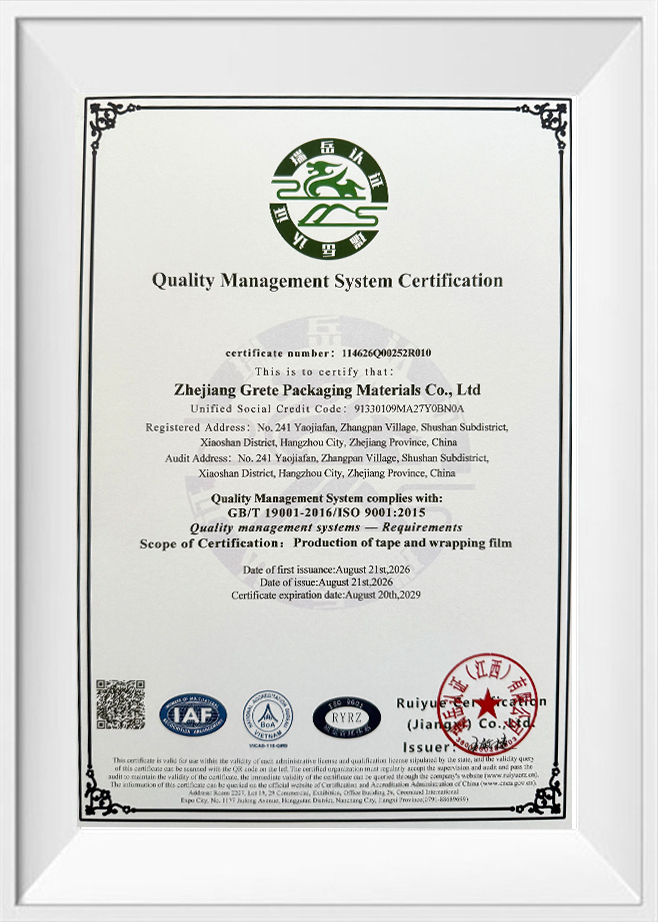 Quality Management System Certification
 -
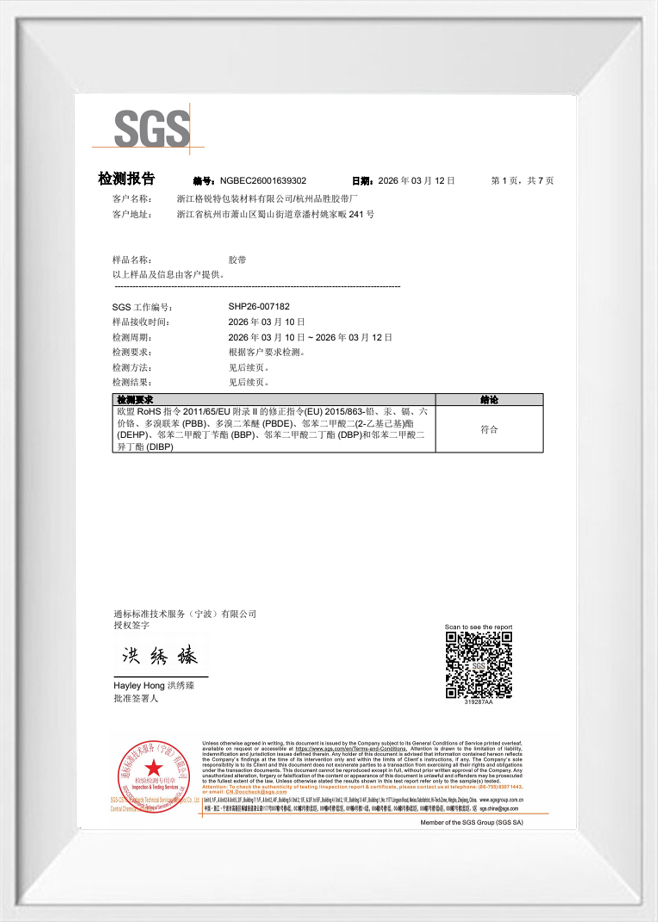 Test Report
 -
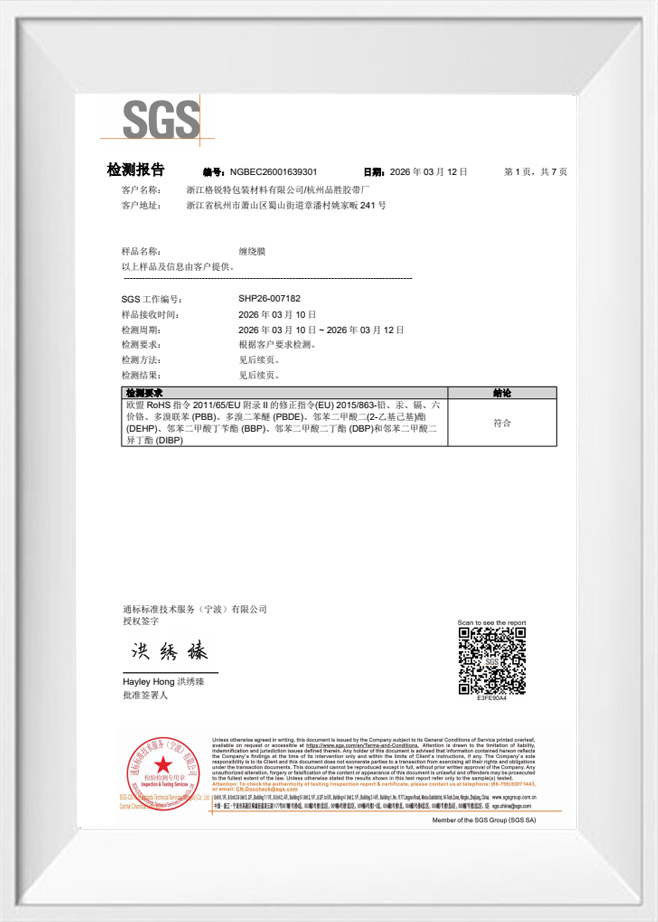 Test Report
 -
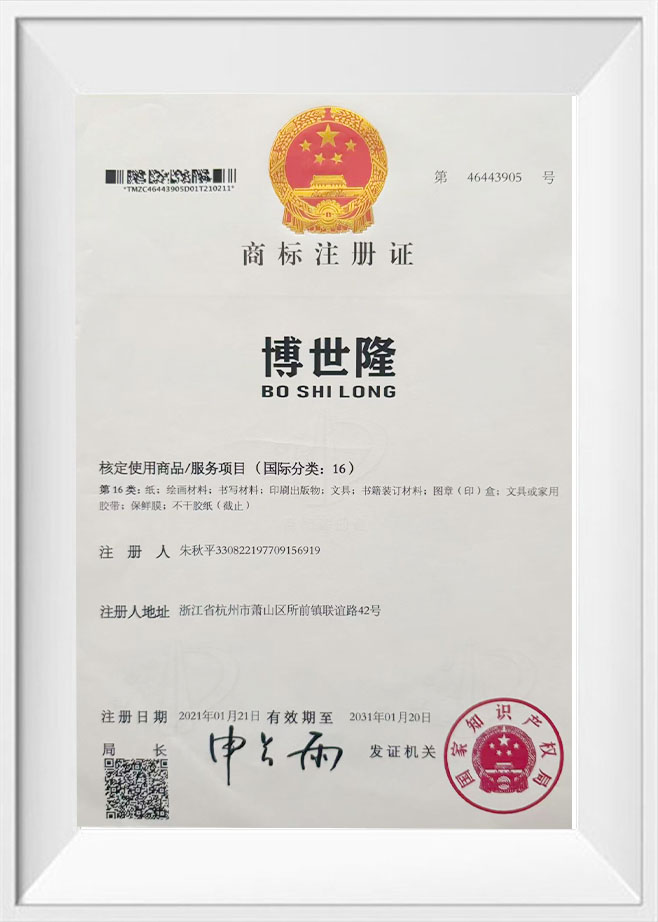 Trademark Registration Certificate
News
-
Industry News 2026-10-14
When a heavy machinery crate reaches a port warehouse after 40 days at sea, the difference between a secure bundle and a loose load often comes down to the strapping material. Steel straps rust, cut into corners, and require heavy-duty tools for tensioning. Polypropylene straps, on the other hand, creep under sustain...
View More -
Industry News 2026-10-07
A beverage plant lost two pallets of bottled product when the dark PET strap on a forklift-facing load snapped at a damaged weld. The operator could not see the weld because the opaque strap hid it. Transparent PET strapping removes that blind spot: the clear body shows weld quality, tension, and surface damage while...
View More -
Industry News 2026-09-30
A pallet of aluminum frames arrives with a snapped PP strap, a shifted top layer, and a 400 km ride ahead. That scene repeats daily, and it is why buyers switch to PET packing strap for loads that weigh, settle, or travel far. PET is the polyester cousin of polypropylene: it stretches less, holds tension longer, and ...
View More
Contact us now
Cloth Tape Industry Knowledge Extension
Exploring the Versatility and Applications of Cloth Tape
In the world of industrial packaging and material handling, finding the right adhesive solution is critical for operational efficiency and product protection. Among the myriad of options available, Cloth Tape stands out as a versatile and robust solution known for its strength and adaptability. As a manufacturer deeply rooted in the research and development of high-performance materials, we understand that selecting the correct tape goes beyond simple adhesion—it involves considering environmental factors, substrate materials, and long-term reliability.
What Makes Cloth Tape a Preferred Industrial Choice?
Cloth Tape, often characterized by its fabric backing, offers a unique combination of flexibility and tensile strength that rigid tapes cannot match. The cloth backing allows the tape to conform to irregular surfaces and corners, making it indispensable in industries ranging from logistics and construction to automotive repair. Unlike standard BOPP tapes, which are designed primarily for sealing cardboard boxes, Cloth Tape is engineered to perform under stress, often featuring a rubber-based adhesive that provides superior bonding capabilities on various surfaces, including rough or textured materials.
- High Tensile Strength: The woven fabric backing resists tearing and breaking, even when subjected to significant manual stress.
- Conformability: It easily wraps around complex shapes, making it ideal for bundling odd-shaped items or masking during painting.
- Residue-Free Removal: High-quality variants are designed to remove cleanly, leaving no sticky residue behind, which is crucial for temporary applications.
Diverse Applications in Modern Industries
The utility of Cloth Tape extends far beyond simple packaging tasks. In the logistics sector, it is widely used for heavy-duty box sealing and pallet unitization, ensuring that goods remain secure during transit. In the construction and decoration industry, its ability to hold cables, mask areas for painting, and repair temporary structures makes it a staple in every contractor's toolkit. Furthermore, in the automotive and electrical sectors, specialized cloth tapes are used for wire harnessing and insulation, thanks to their durability and resistance to abrasion.
Comparing Cloth Tape with Other Packaging Solutions
Understanding how Cloth Tape compares to other common packaging materials helps in making informed procurement decisions. While BOPP tapes are cost-effective for light-duty sealing, they lack the structural integrity required for heavy loads. Similarly, while PVC tapes offer insulation properties, they may not provide the same level of tear resistance as a reinforced cloth variant. Below is a detailed comparison highlighting the distinct advantages of Cloth Tape in demanding scenarios.
| Feature | Cloth Tape | BOPP Tape | PVC Tape |
| Backing Material | Woven Fabric / Lamination | Biaxially Oriented Polypropylene | Polyvinyl Chloride |
| Tensile Strength | Very High (Resists tearing) | Medium | Medium to High |
| Conformability | Excellent (Fits corners/curves) | Low (Rigid) | Good |
| Primary Use Case | Heavy packaging, Masking, Bundling | Standard carton sealing | Electrical insulation, Pipe wrapping |
| Adhesive Type | Rubber-based (Strong bond) | Acrylic or Hot Melt | Rubber or Acrylic |
Quality Indicators: Selecting the Right Cloth Tape
Not all adhesive tapes are created equal. As a manufacturer committed to quality control, we emphasize that the performance of Cloth Tape depends heavily on the quality of the fabric weave and the adhesive formulation. When selecting a supplier, it is essential to consider the tape's thickness, mesh count (which determines density), and adhesive coat weight. A higher mesh count typically indicates a tighter weave and greater strength, while the adhesive coat weight determines the bonding speed and durability on different surfaces.
- Adhesion to Steel: A key metric that indicates how well the tape sticks to non-porous surfaces.
- Temperature Resistance: Ensure the tape can withstand the operational environment, whether it is a cold chain logistics warehouse or a high-temperature paint booth.
- Elongation at Break: This measures the tape's elasticity; too much stretch can cause sagging, while too little can cause snapping under load.
FAQ
Is Cloth Tape waterproof?
While the fabric backing of Cloth Tape is naturally porous, many high-quality variants are coated with a layer of polyethylene (PE) or similar material on the top surface. This lamination makes the tape water-resistant, protecting the adhesive from moisture and allowing it to be used in damp environments or for outdoor applications. However, for complete waterproofing, users should ensure the edges are firmly sealed.
What is the difference between Duct Tape and Cloth Tape?
This is a common question in the industry. Technically, Duct Tape is a specific type of Cloth Tape. It typically consists of a cloth mesh coated with polyethylene and uses a rubber-based adhesive. However, "Cloth Tape" is a broader category that includes other varieties, such as gaffer tape (used in entertainment for matte finish) and medical cloth tapes. Industrial Cloth Tape often focuses more on tensile strength and clean removal, whereas standard Duct Tape is often designed for permanent repairs and may leave residue.
Can Cloth Tape be used for electrical insulation?
Standard Cloth Tape is not UL-listed for electrical insulation unless specifically certified for that purpose. However, it is widely used in the automotive industry for wire harnessing—securing bundles of wires together rather than insulating the current. For electrical insulation tasks, specialized electrical tapes (like PVC or Vinyl tapes) with proper voltage ratings are generally recommended. Always check the product specification sheet for safety certifications before use.
How should I store Cloth Tape to maintain its quality?
To ensure the longevity and performance of your Cloth Tape, it should be stored in a cool, dry place away from direct sunlight and ultraviolet light. Excessive heat can cause the rubber adhesive to ooze or degrade, while humidity can affect the release liner. Ideally, the storage temperature should be around 20°C to 25°C with relative humidity between 40% and 50%. Following these guidelines will preserve the tape's tack and cohesive strength.
CONTACT DETAILS
- Address:No. 241, Yaojiafan, Zhangpanqiao, Shushan Street, Xiaoshan District, Hangzhou City, Zhejiang Province, China
- TEL:+86-0571-83175630
- Phone:+86-13336160217
- Email:[email protected]
PRODUCTS
NEWS CENTER
MOBILE TERMINAL
Copyright© Zhejiang Geruite Packaging Materials Co., Ltd. All Rights Reserved.
Privacy Cloth Tape Custom