-
 +86-0571-83175630
-
 [email protected]

 English
  Español
  عربى
عربى 
Painters Tape Guide: Standard, Thick & Waterproof Types Compared
Content
- 1 What Painters Tape Actually Does — and Where Most Users Choose Wrong
- 2 Painters Tape Grades: How to Match the Product to the Surface
- 3 Thick Painters Tape: Construction, Performance, and When It's the Right Call
- 4 Waterproof Painters Tape: What Makes It Different and Where It Fails Without It
- 5 Critical Specifications to Compare When Sourcing Painters Tape
- 6 Application Best Practices That Determine Whether Any Painters Tape Delivers Clean Lines
What Painters Tape Actually Does — and Where Most Users Choose Wrong
Painters tape is a pressure-sensitive masking tape engineered to protect surfaces during painting, finishing, and surface preparation. Its defining characteristic is clean removal without adhesive residue or substrate damage — a property achieved through a carefully calibrated balance of tack, backing crepe, and adhesive chemistry. Standard masking tape lacks this balance; it bonds too aggressively on extended dwell time, leaving residue on walls, trim, and glass that requires solvent cleaning to remove.
The global masking tape market was valued at approximately USD 4.2 billion in 2023 and is projected to grow at a CAGR of around 4.5% through 2030, driven by expanding construction activity and rising DIY culture. Within that market, painters tape represents the fastest-growing segment precisely because end users increasingly understand the difference between a general-purpose masking tape and a product designed specifically for paint edge definition and clean removal.
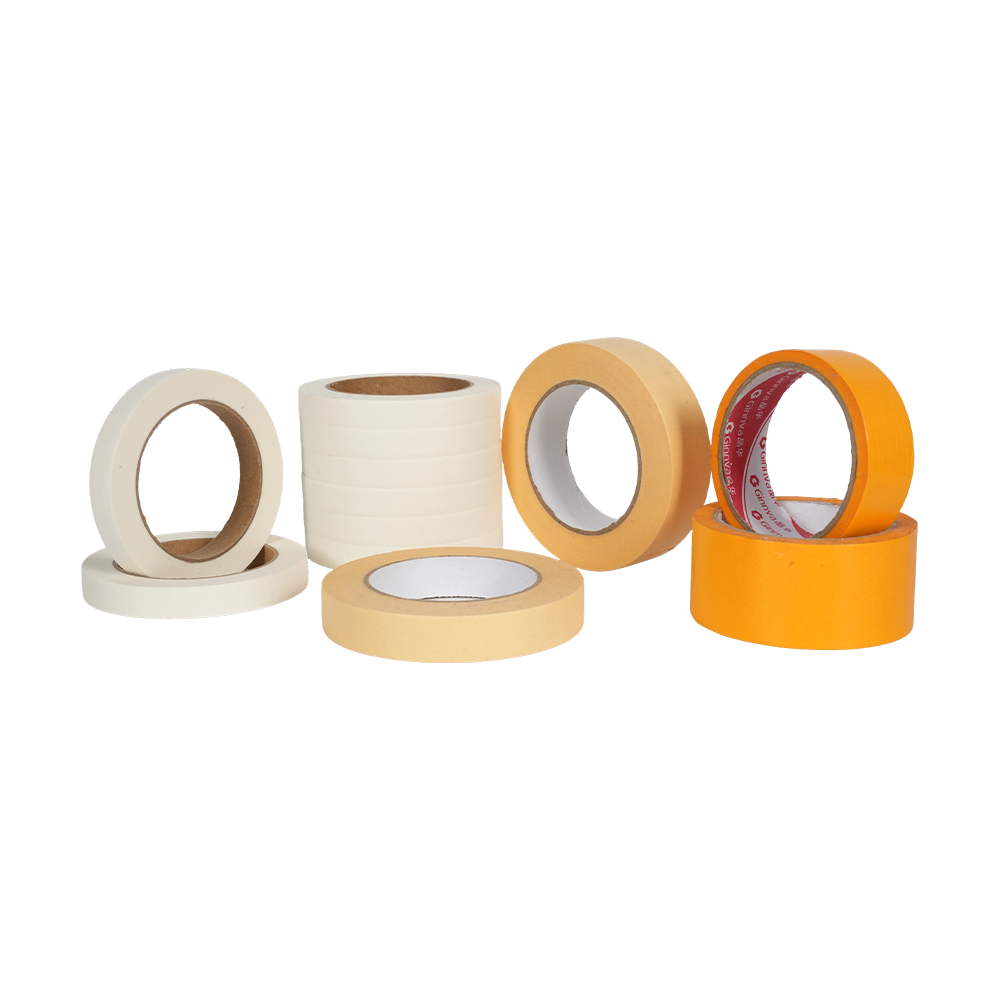
The most common specification mistake is treating painters tape as a single-product category. In practice, it spans several distinct grades — standard blue painter's tape, delicate surface variants, thick painters tape for textured and irregular substrates, and waterproof painters tape for wet or high-humidity applications. Each is optimized for a specific performance envelope, and using the wrong grade causes the failures most people attribute to "tape not working": bleed-through, surface damage on removal, or adhesive lift.
Painters Tape Grades: How to Match the Product to the Surface
Painters tape is typically classified by adhesion level and backing construction. Understanding these two axes is enough to make a correct selection for most applications.
Standard Blue Painter's Tape
The benchmark product in the category. Designed for painted drywall, wood trim, baseboards, and glass. Typically rated for 14-day clean removal (some formulations extend to 21 days). Crepe paper backing provides moderate conformability on slightly curved surfaces. Not suitable for highly textured walls, rough brick, or exterior masonry, where the backing cannot conform tightly enough to seal the tape edge against paint bleed.
Delicate Surface Painter's Tape
Lower tack formulation designed for freshly painted surfaces (typically cured less than 24 hours), wallpaper, venetian plaster, and faux finishes. The reduced adhesion prevents surface delamination on removal. Trade-off: shorter maximum dwell time and less resistance to paint bleed on porous substrates.
Thick Painters Tape
A high-conformability variant built on a thicker crepe or foam-backed construction. The increased backing thickness allows the tape to compress into surface irregularities — rough stucco, orange peel texture, popcorn ceilings, natural stone — creating a physical seal against paint migration. Standard blue tape applied to a heavily textured surface sits on the texture peaks and leaves gaps at the valleys; thick painters tape bridges those gaps under moderate hand pressure.
Waterproof Painters Tape
Engineered for exterior painting, high-humidity interior environments (bathrooms, kitchens), and applications involving water-based paints applied in wet conditions. The backing is treated or constructed to resist moisture absorption, which in standard crepe tape causes edge softening, adhesive migration, and tape failure before the paint dries. Waterproof painters tape is also specified for surfaces that will be wet-sanded or rinsed during the masking period.
| Grade | Best For | Max Dwell | Moisture Resistance | Texture Conformability |
|---|---|---|---|---|
| Standard Blue | Smooth interior surfaces | 14–21 days | Low | Moderate |
| Delicate Surface | Fresh paint, wallpaper, faux finishes | 7–14 days | Low | Low–Moderate |
| Thick Painters Tape | Textured walls, stucco, masonry | 14–21 days | Moderate | High |
| Waterproof Painters Tape | Exterior, wet environments | 7–14 days (check spec) | High | Moderate–High |
Thick Painters Tape: Construction, Performance, and When It's the Right Call
Thick painters tape solves a specific mechanical problem: standard tape backing is too rigid to conform to textured surfaces under hand pressure alone. When the tape edge doesn't contact the substrate uniformly, capillary action draws liquid paint under the tape line — producing ragged, feathered paint edges that require touch-up or full repainting.
The construction difference is meaningful. Standard blue painters tape uses a single-ply crepe paper backing typically ranging from 0.13 mm to 0.18 mm in total caliper. Thick painters tape either uses a heavier multi-ply crepe construction (0.20 mm to 0.28 mm) or incorporates a conformable foam or non-woven layer bonded to the crepe face. This added mass allows the tape to deform under finger pressure and maintain contact with irregular surface profiles.
Application technique matters as much as product selection. Even thick painters tape requires a firm edge-seal pass after positioning — running a plastic squeegee or the flat edge of a putty knife along the tape edge compresses the backing into surface valleys and eliminates any bridging gaps. Skipping this step on textured surfaces accounts for the majority of bleed-through complaints even with conformable tape grades.
Thick painters tape is the correct specification for:
- Orange peel and knockdown textured drywall
- Stucco exteriors (smooth and sand finish)
- Brick and natural stone where precise edge definition is required
- Popcorn and acoustic ceiling textures
- Uneven or hand-applied plaster finishes
- Multi-coat decorative finishes with surface relief
It is not necessary on smooth, flat surfaces such as standard drywall primer, glass, metal trim, or flat wood. On those substrates, standard blue tape performs equally well at lower cost per roll.
Waterproof Painters Tape: What Makes It Different and Where It Fails Without It
Standard crepe painters tape is manufactured from cellulose paper — an inherently hygroscopic material. When exposed to water, high humidity, or water-based paint applied in thick coats, the crepe backing absorbs moisture, loses dimensional stability, and the adhesive layer softens and migrates. The result is tape that lifts off the surface mid-job, paint that bleeds under the compromised edge, and adhesive deposits that bond permanently to the substrate as the paint dries over them.
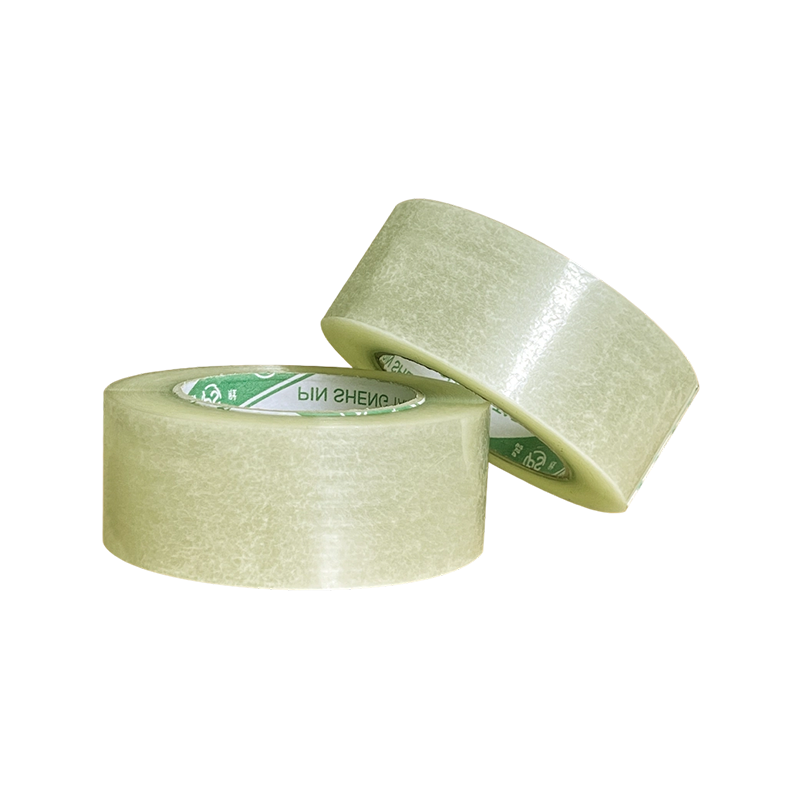
Waterproof painters tape addresses this through one of two construction approaches: a polyethylene or polypropylene film backing that is inherently moisture-resistant, or a crepe paper backing treated with a water-resistant coating that delays moisture absorption long enough to complete the painting cycle. Film-backed versions offer stronger moisture resistance but reduced conformability; treated-crepe versions retain more flexibility and are easier to tear by hand.
Key Use Cases for Waterproof Painters Tape
- Exterior painting — rain events, morning dew, and humidity fluctuations during multi-day exterior projects can saturate standard tape overnight. Waterproof painters tape maintains edge integrity through weather exposure.
- Bathroom and kitchen painting — steam and ambient humidity in these rooms consistently degrades standard tape performance, particularly when painting near showers, tubs, or above stovetops.
- Pool surrounds and wet rooms — surfaces that will be actively wet during the masking period require film-backed waterproof tape with high-tack adhesive formulations.
- Concrete floor painting — moisture vapor emission from concrete slabs is a persistent issue. Waterproof tape resists the moisture-wicking effect that lifts standard tape edges on concrete.
- Marine and boat painting — constant moisture exposure demands waterproof tape with solvent-resistant adhesive to handle both water and paint thinner contact.
One important note: waterproof painters tape is not the same as duct tape or barrier tape. Its adhesive is still formulated for clean removal from most painted and primed surfaces within the specified dwell time. Beyond that dwell window, adhesive hardening from UV exposure or elevated temperatures can make removal difficult on some substrates, particularly unprimed wood and bare concrete.
Critical Specifications to Compare When Sourcing Painters Tape
For procurement professionals and trade contractors buying painters tape in volume, product datasheets vary significantly across manufacturers. These are the parameters that most directly predict real-world performance:
- Peel adhesion (PSTC-101 or AFERA 4001) — measures the force required to remove the tape from a standard steel surface at a defined angle (typically 180°). For painters tape, values in the range of 2.0–4.5 N/25mm indicate appropriate tack for most interior surfaces. Values above this range risk surface damage on sensitive substrates.
- Tensile strength — the force required to break the tape backing in the machine direction, measured in N/25mm. Higher tensile strength reduces the risk of tape tearing during removal on long runs, particularly important for wide-format tapes used in commercial painting.
- Elongation at break (%) — the percentage stretch the backing can sustain before failure. Higher elongation values indicate better conformability around curves and irregular edges. Thick painters tape and foam-backed variants typically show elongation values of 8–15%, versus 5–8% for standard crepe.
- Clean removal window — the maximum time the tape can remain applied before residue-free removal is no longer guaranteed. This is both temperature-dependent and surface-dependent; manufacturers typically specify removal windows at 23°C, and performance degrades in direct sun exposure above 40°C.
- UV resistance (for waterproof and exterior grades) — specified as the number of hours of UV exposure the tape can withstand without adhesive degradation. Critical for exterior applications; interior-grade tapes typically carry no UV rating.
- Backing caliper (thickness) — directly relevant for thick painters tape grades. A thicker backing compresses more deeply into surface texture, but also increases material cost per roll. Verify caliper against the expected surface profile depth in your application.
Application Best Practices That Determine Whether Any Painters Tape Delivers Clean Lines
Product selection explains roughly half of painters tape performance outcomes. Application technique explains the other half. The following practices consistently separate clean, sharp paint lines from bleed-through failures regardless of tape grade:
- Surface preparation first. Tape applied over dust, grease, or loose paint will not seal the edge properly. Wipe surfaces with a tack cloth or damp sponge and allow to dry completely before application. On newly painted surfaces, confirm the paint has cured to touch-dry (typically 2–4 hours for latex, 4–6 hours for oil-based) before applying tape.
- Unroll slowly and apply with consistent tension. Stretching the tape during application causes it to contract after release, lifting the edges and creating gaps. Apply with moderate, consistent tension — enough to control the line, not enough to elongate the backing.
- Burnish the paint edge immediately after positioning. Run a plastic squeegee, a putty knife wrapped in cloth, or even a firm fingernail firmly along the paint-side edge of the tape. This step is non-optional on textured surfaces and significantly improves edge definition even on smooth ones.
- Apply a sealing coat before the finish color. For critical edges, apply a thin coat of the existing wall color (or a clear drying sealer) along the tape edge first and allow it to dry. This seals any micro-gaps in the tape edge before the finish color is applied, eliminating bleed-through entirely.
- Remove tape at 45° while the paint is still slightly tacky. Waiting until paint is fully hard can cause the dried film to crack along the tape edge. Removing at 45° at the tacky stage (typically 1–2 hours after application for latex) produces the cleanest line and minimizes adhesive pull.
- Score the tape edge with a utility knife on multi-coat builds. For surfaces that will receive multiple coats over several days, score lightly along the tape edge with a sharp blade before removal. This prevents the dried paint film from tearing away from the wall surface as the tape is pulled.
These practices apply uniformly across painters tape grades. When thick painters tape or waterproof painters tape is specified for demanding substrates, these application steps remain just as important — the tape product expands the performance envelope, but correct technique is what captures it.
LATEST POST
Let’s create something amazing together
contact us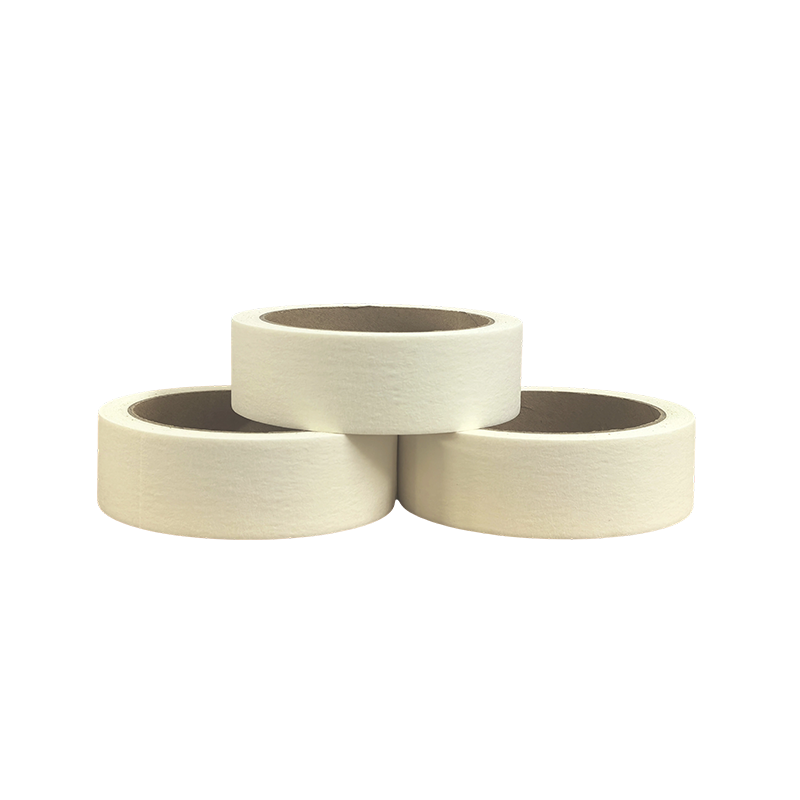
CONTACT DETAILS
- Address:No. 241, Yaojiafan, Zhangpanqiao, Shushan Street, Xiaoshan District, Hangzhou City, Zhejiang Province, China
- TEL:+86-0571-83175630
- Phone:+86-13336160217
- Email:[email protected]
- WeChat/WhatsApp:+86-18058115265
PRODUCTS
NEWS CENTER
MOBILE TERMINAL
Copyright© Zhejiang Geruite Packaging Materials Co., Ltd. All Rights Reserved.
Privacy Wholesale industrial packaging tape Manufacturers