-
 +86-0571-83175630
-
 [email protected]

 English
  Español
  عربى
عربى 
Packaging Film Manufacturers
information to be updated
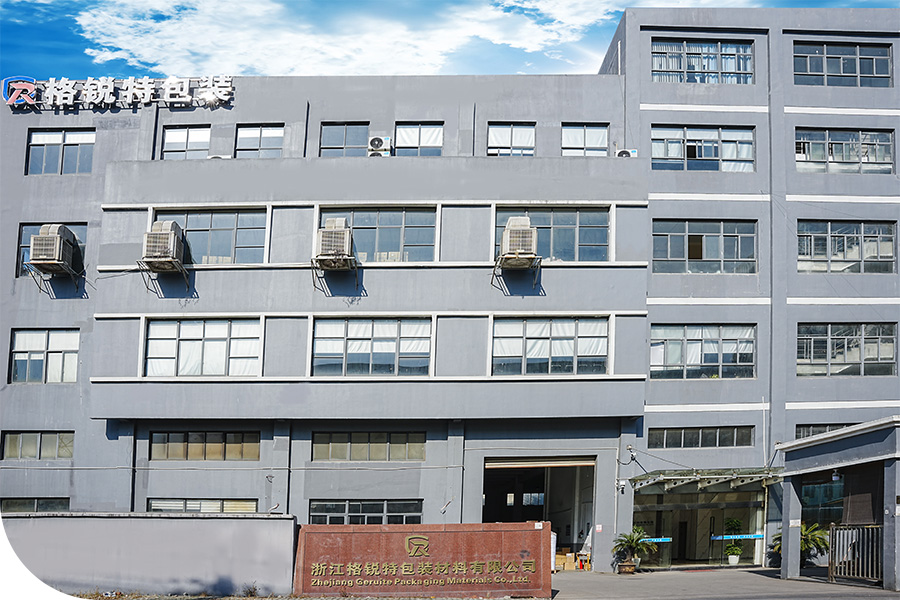
Honor
-
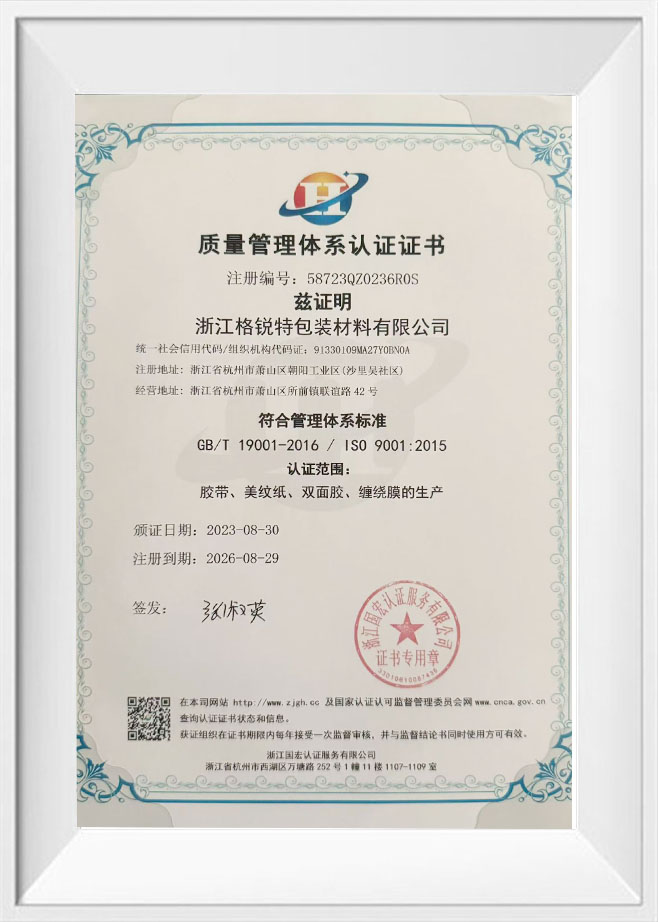 Quality Management System Certification Certificate
 -
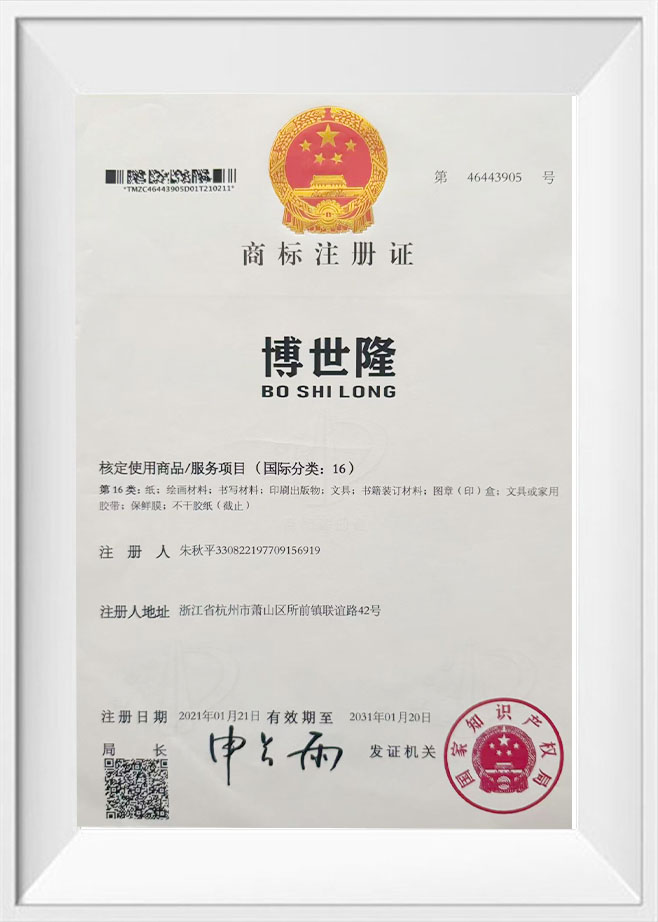 Trademark Registration Certificate
 -
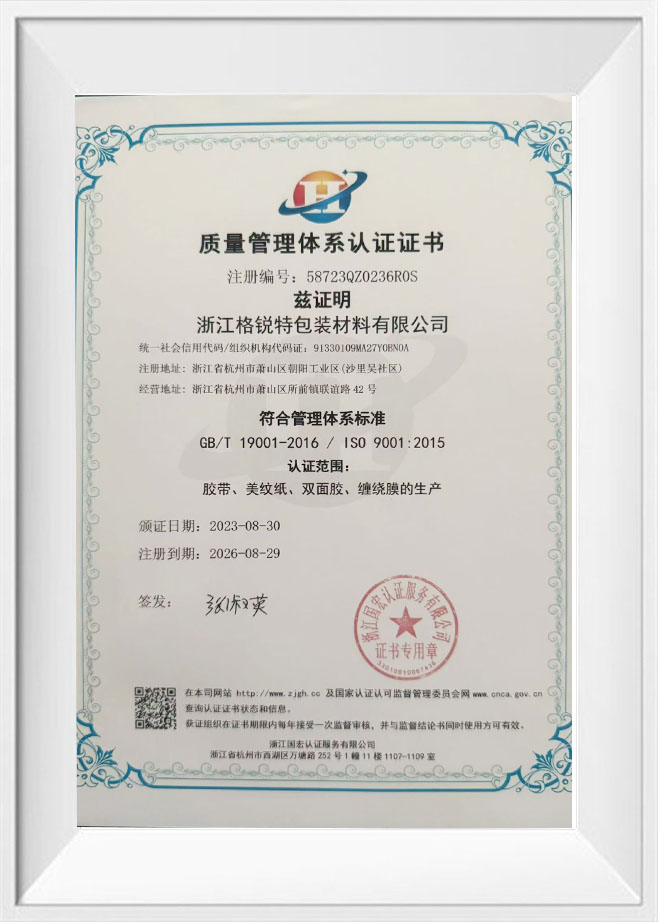 Quality Management System Certification Certificate
News
-
Company News 2026-03-31
Zhejiang Geruite Packaging Materials Co., Ltd., a leading packaging solution provider based in Zhejiang Province, has successfully shipped nine containers of transparent stretch film to Los Angeles. This export marks another milestone in the company's conti...
View More -
Industry News 2026-03-25
What Is Kraft Paper Tape and Why Does It Matter for Packaging? Kraft paper tape is a paper-based adhesive tape made from kraft pulp — a wood pulp processed through the kraft chemical method that produces strong, tear-resistant fibers. Unlike plastic-based tap...
View More -
Industry News 2026-03-25
What Painters Tape Actually Does — and Where Most Users Choose Wrong Painters tape is a pressure-sensitive masking tape engineered to protect surfaces during painting, finishing, and surface preparation. Its defining characteristic is clean removal without ad...
View More
Contact us now
Packaging Film Industry Knowledge Extension
How Polymer Chemistry Determines Packaging Film Performance
Zhejiang Geruite Packaging Materials Co., Ltd. supplies packaging film across logistics, food, electronics, and industrial sectors — and the most frequent specification error we encounter is selecting film by appearance rather than polymer composition. Two films can look identical on a roll yet perform completely differently under the same sealing, printing, or load conditions, because their base resin determines virtually every functional property.
The three dominant polymers in flexible packaging film are polyethylene (PE), polypropylene (PP), and polyester (PET). PE offers excellent flexibility, moisture barrier, and heat-seal capability at relatively low cost, making it the default choice for food wrap, produce bags, and courier mailers. PP — particularly biaxially oriented polypropylene (BOPP) — delivers superior stiffness, clarity, and printability, which is why it dominates snack food packaging, label films, and retail flow-wrap. PET provides the highest tensile strength and temperature resistance of the three, and is the standard substrate for vacuum packaging, lidding films, and any application requiring long-term dimensional stability.
Multi-layer co-extrusion combines these polymers in laminated structures — typically 3, 5, or 7 layers — to achieve properties that no single resin can provide. A common structure for food packaging pairs an outer BOPP layer (clarity and printability) with an inner PE sealant layer (heat-seal and moisture barrier), joined by a tie resin layer. Understanding which layer in a co-extruded structure performs which function is essential when troubleshooting seal failures, delamination, or print adhesion problems on the production line.
Barrier Properties: What They Mean and When They Become Critical
Barrier performance in packaging film is measured along two primary axes: oxygen transmission rate (OTR), expressed in cc/m²/day, and water vapor transmission rate (WVTR), expressed in g/m²/day. These two values, taken together, define whether a film can protect a product's shelf life under its intended storage and distribution conditions.
Standard PE and PP films provide adequate moisture barriers but poor oxygen barriers. For oxygen-sensitive products — cured meats, coffee, cheese, electronic components susceptible to oxidation — a high-barrier layer is required. The three most common high-barrier additions are ethylene vinyl alcohol (EVOH), polyvinylidene chloride (PVDC), and metallization. EVOH delivers outstanding OTR performance (as low as 0.1–1.0 cc/m²/day at low humidity) but is hygroscopic — its barrier degrades at high relative humidity unless protected by moisture-barrier outer layers. PVDC provides a combined oxygen and moisture barrier without humidity sensitivity, though it introduces recycling complications. Metallized film — where a nanometer-thin aluminum layer is vacuum-deposited onto the film surface — offers a cost-effective intermediate barrier suitable for snacks, dry goods, and non-food applications requiring light and moisture exclusion.
For cold chain applications, barrier performance must be validated at the actual storage temperature, not ambient conditions. OTR values increase significantly as temperature rises, meaning a film that meets specification at 23°C may fail to protect a product stored or transported at 35–40°C in tropical distribution networks. Requesting barrier data across a temperature range from your film supplier — rather than a single-point ambient measurement — is standard practice for export-focused manufacturers shipping to Southeast Asian or Middle Eastern markets. At Zhejiang Geruite Packaging Materials Co., Ltd., we provide barrier performance data across multiple temperature points on request to support customers' shelf-life validation processes.
Surface Treatment and Its Impact on Print Quality and Seal Reliability
Polyolefin films — PE and PP — are inherently non-polar, meaning inks, coatings, and adhesives have poor natural adhesion to their surfaces. Without surface treatment, flexographic and gravure inks bead, delaminate during converting, or fail rub-resistance tests long before the product reaches the consumer. Corona treatment is the industry-standard solution: a high-frequency electrical discharge oxidizes the film surface, raising its surface energy from the untreated baseline of approximately 29–32 dynes/cm to a treated level of 38–44 dynes/cm, which is the threshold range for reliable ink and adhesive bonding.
The critical operational detail is that corona treatment decays over time. A film treated at the factory and stored for six months before printing may have surface energy values that have regressed to 34–36 dynes/cm — sufficient for some inks but marginal for high-solids coatings or water-based adhesive lamination. Dyne pen testing at goods receipt, not just at order placement, is the correct quality control practice for print-intensive applications. For packaging lines running at high speed with tight ink adhesion tolerances, in-line corona treatment units that re-treat the film immediately before the print station eliminate the storage decay variable entirely.
Heat-seal performance is equally affected by surface treatment level. Over-treated film — corona energy set too high, or multiple treatment passes — can actually reduce sealability by oxidizing the sealant layer surface and increasing its melt temperature. For films used in form-fill-seal (FFS) operations, the inner sealant surface should remain at or close to its native surface energy to preserve optimal heat-seal initiation temperature and peel strength. This is why co-extruded structures designed for FFS are treated on one side only — outer face for printing, inner face left native for sealing.
Downgauging Strategies: Reducing Film Weight Without Sacrificing Performance
With plastic packaging taxes now active in the UK and being implemented progressively across EU member states, and with major retailers setting supplier targets for packaging weight reduction, downgauging — reducing film thickness while maintaining required mechanical and barrier performance — has shifted from a cost-reduction exercise to a compliance strategy. The technical challenge is that reducing gauge proportionally reduces tensile strength, puncture resistance, and in barrier films, the thickness of each functional layer.
Modern metallocene and single-site catalyst PE resins enable meaningful downgauging relative to conventional Ziegler-Natta PE films. Metallocene PE (mPE) delivers significantly higher tensile strength and puncture resistance at equivalent thickness, allowing gauge reductions of 15–25% without mechanical performance loss. In practical terms, a conventional 40-micron PE film can often be replaced with a 30-micron mPE film meeting the same drop-test and seal-integrity specifications — reducing material consumption and plastic tax exposure by approximately 25% per unit.
Successful downgauging projects require re-validation of machine settings: thinner films run at lower sealing temperatures and higher line speeds, and may require reduced tension zones on unwind stands to prevent web break. The validation process should include accelerated aging tests at elevated temperature and humidity to confirm that the thinner barrier layers still meet shelf-life requirements over the product's full distribution cycle. Treating downgauging as a film swap rather than a re-qualification process is the most common reason these projects fail in production despite passing initial lab tests.
CONTACT DETAILS
- Address:No. 241, Yaojiafan, Zhangpanqiao, Shushan Street, Xiaoshan District, Hangzhou City, Zhejiang Province, China
- TEL:+86-0571-83175630
- Phone:+86-13336160217
- Email:[email protected]
PRODUCTS
NEWS CENTER
MOBILE TERMINAL
Copyright© Zhejiang Geruite Packaging Materials Co., Ltd. All Rights Reserved.
Packaging Film Custom