-
 +86-0571-83175630
-
 [email protected]

 English
  Español
  عربى
عربى 

Honor
-
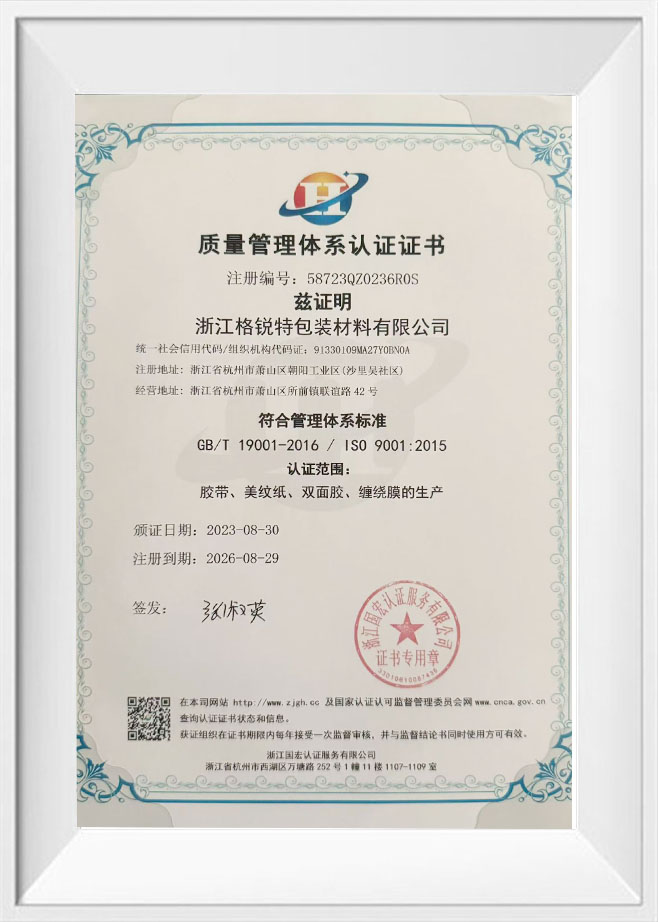 Quality Management System Certification Certificate
 -
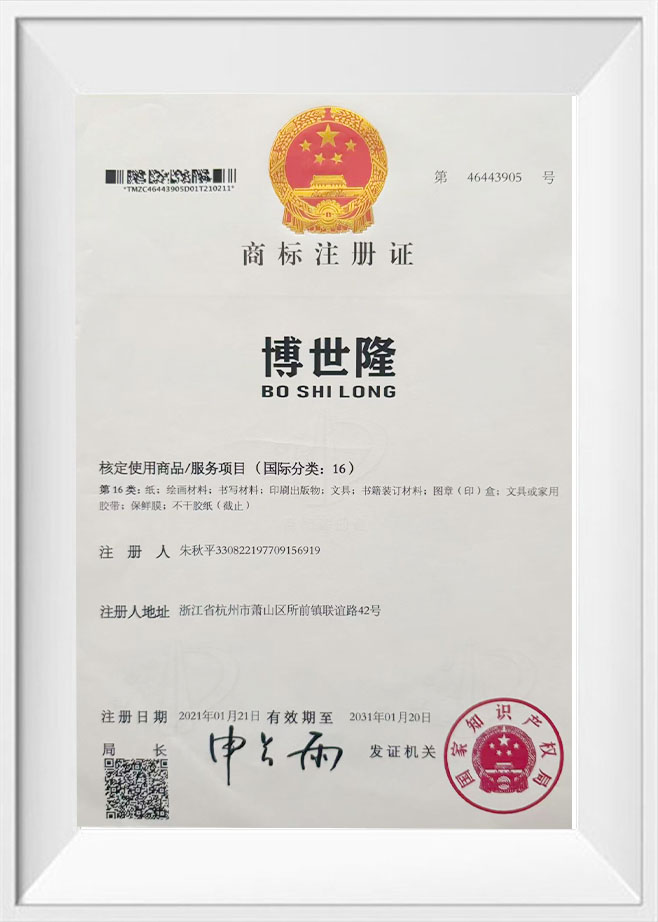 Trademark Registration Certificate
 -
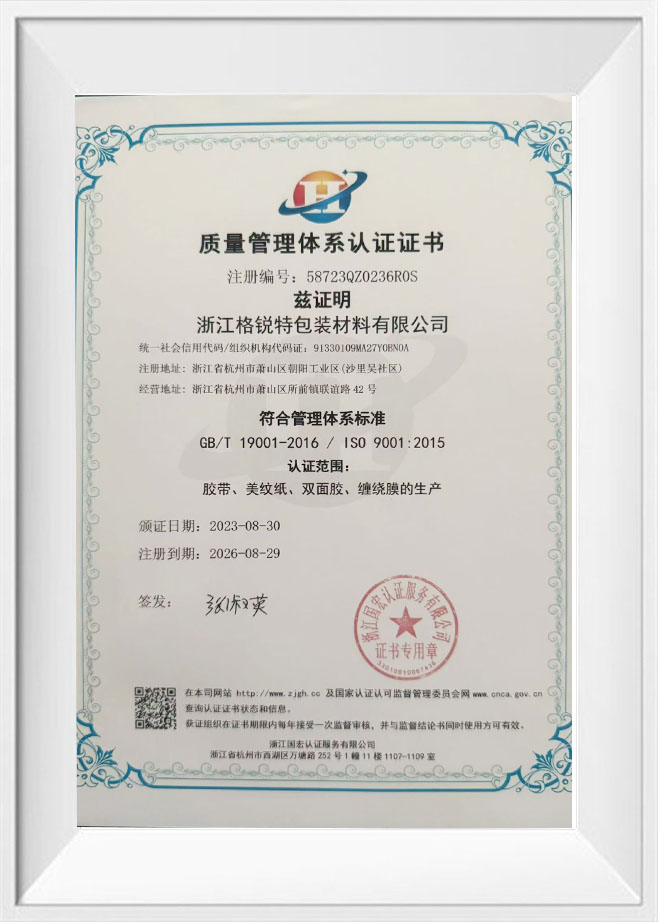 Quality Management System Certification Certificate
News
-
Company News 2026-03-31
Zhejiang Geruite Packaging Materials Co., Ltd., a leading packaging solution provider based in Zhejiang Province, has successfully shipped nine containers of transparent stretch film to Los Angeles. This export marks another milestone in the company's conti...
View More -
Industry News 2026-03-25
What Is Kraft Paper Tape and Why Does It Matter for Packaging? Kraft paper tape is a paper-based adhesive tape made from kraft pulp — a wood pulp processed through the kraft chemical method that produces strong, tear-resistant fibers. Unlike plastic-based tap...
View More -
Industry News 2026-03-25
What Painters Tape Actually Does — and Where Most Users Choose Wrong Painters tape is a pressure-sensitive masking tape engineered to protect surfaces during painting, finishing, and surface preparation. Its defining characteristic is clean removal without ad...
View More
Contact us now
Stretch Wrap Industry Knowledge Extension
Stretch Wrap Mechanics: Pre-Stretch Ratio and Why It Defines Your Real Cost Per Pallet
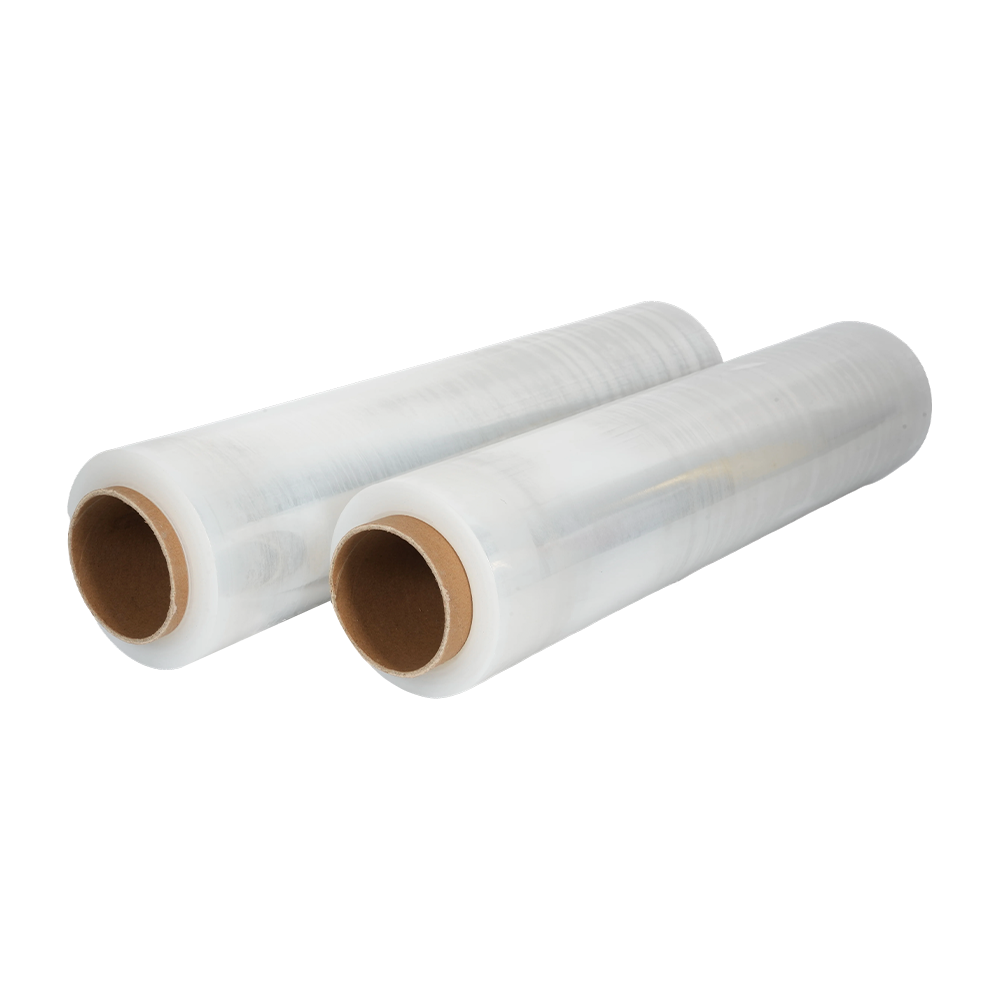
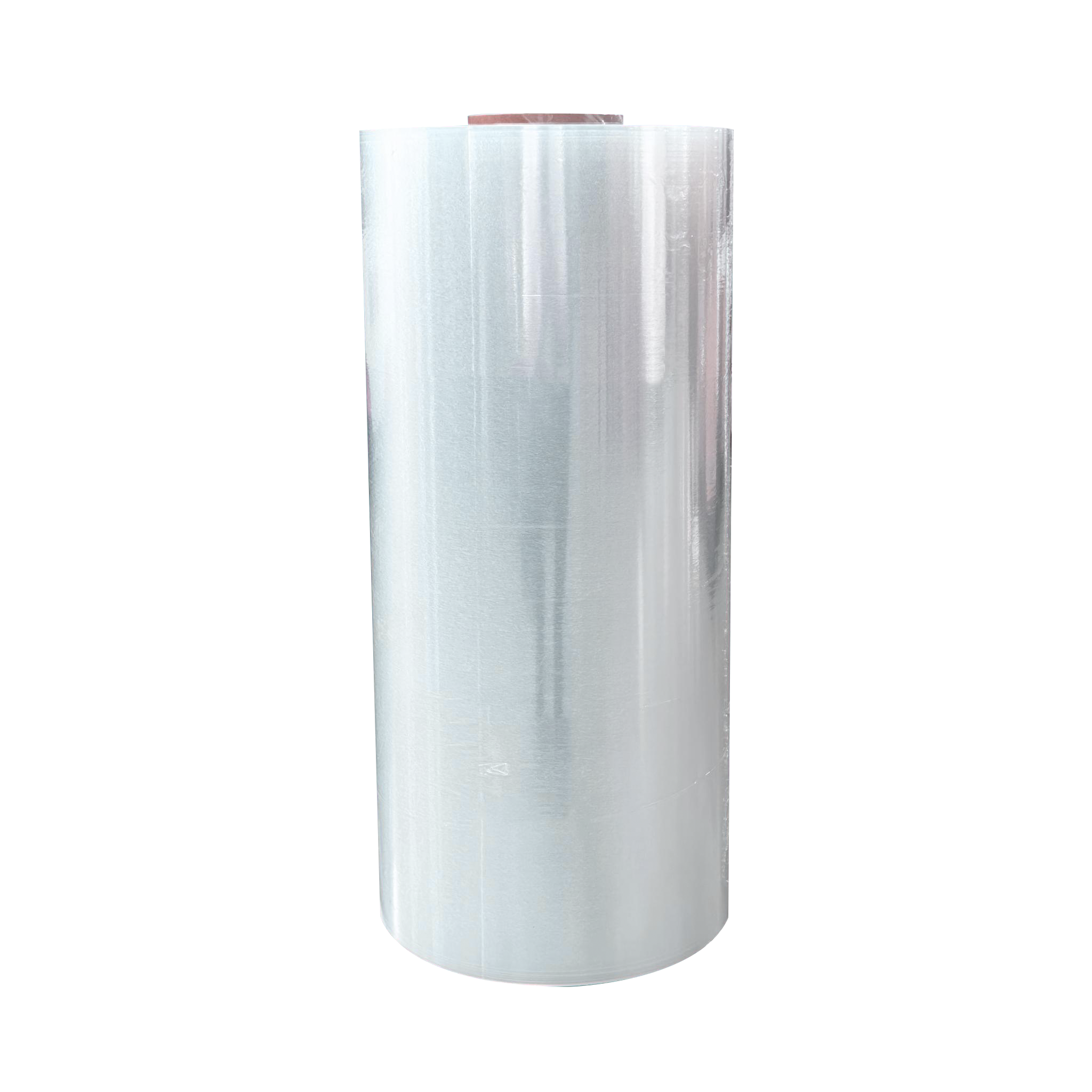
Zhejiang Geruite Packaging Materials Co., Ltd. supplies stretch wrap to logistics, warehousing, and industrial manufacturing customers across a wide range of pallet sizes and load profiles — and the single most misunderstood variable in stretch wrap procurement is pre-stretch ratio. Most buyers compare roll weight and price per kilogram, but neither metric tells you what the film actually costs per wrapped pallet.
Pre-stretch refers to the elongation applied to the film before it contacts the load — either mechanically through a powered pre-stretch carriage on a turntable wrapper, or manually through the resistance mechanism on a hand dispenser. A film rated at 250% pre-stretch means the machine extends each meter of film to 3.5 meters before application. This dramatically reduces the amount of film consumed per pallet while maintaining the holding force required to stabilize the load. A standard 23-micron cast film running at 250% pre-stretch delivers equivalent load containment to a 35-micron film applied with no pre-stretch, at roughly 30–40% lower film consumption per pallet.
The practical implication is that a cheaper, heavier roll running at low or no pre-stretch will consistently cost more per pallet than a higher-quality, lighter roll engineered for high pre-stretch ratios. When evaluating stretch film suppliers, request the film's maximum pre-stretch capability alongside price — and validate that figure on your actual wrapping equipment, since theoretical pre-stretch ratings assume well-maintained rollers and consistent film tension that not all machines deliver in practice.
Cast vs. Blown Stretch Film: Choosing the Right Process for Your Load Type
All stretch wrap falls into one of two manufacturing categories — cast extrusion or blown extrusion — and the process difference produces films with meaningfully different mechanical profiles that suit different load types and wrapping environments.
Cast stretch film is produced by extruding molten resin through a flat die onto a chilled roller, which rapidly quenches the film and produces a clear, glossy surface with consistent gauge across the web. The rapid cooling locks in a relatively uniform molecular orientation, giving cast film excellent clarity (important for barcode scanning through the wrap), quiet unwind on high-speed turntable equipment, and consistent pre-stretch performance. Cast film dominates automated and semi-automated wrapping lines for this reason — its predictable elongation behavior allows wrapping machines to be tuned to precise containment force specifications.
Blown stretch film is produced by extruding resin upward through an annular die and inflating it into a bubble, which is then collapsed and wound. The slower, air-cooled process produces a more randomly oriented molecular structure, giving blown film higher puncture resistance, greater memory (it returns to its original tension after being stretched around a load), and better tear resistance in the machine direction. These properties make blown film the preferred specification for loads with sharp corners, irregular profiles, or heavy items that exert point loads on the film surface during transport. The trade-offs are higher cost, lower clarity, and louder unwind noise that can be a practical concern on high-volume automated lines running in enclosed facilities. At Zhejiang Geruite Packaging Materials Co., Ltd., both cast and blown plastic stretch wrap roll formats are available to match different load stabilization requirements.
Colored Stretch Wrap: Operational Logic Behind Color-Coded Pallet Management
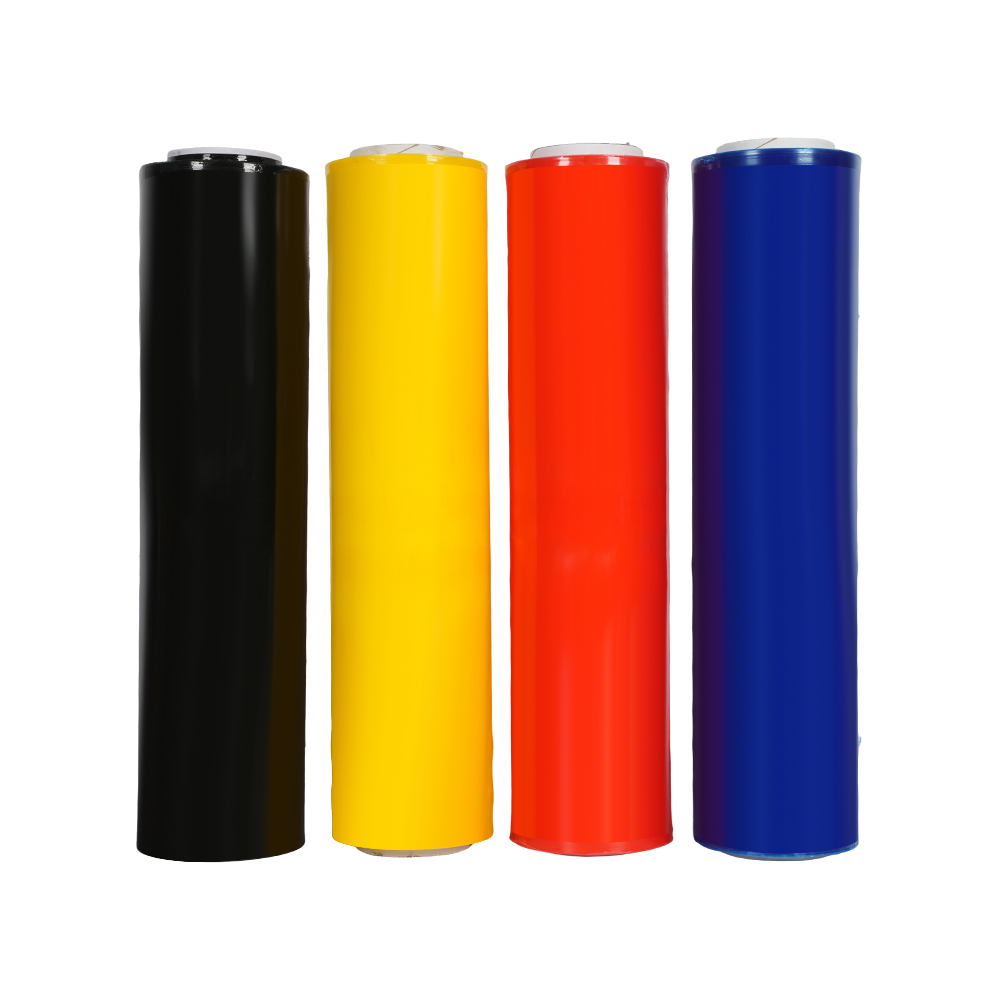
Color in stretch wrap is rarely an aesthetic choice. In high-throughput distribution environments, colored stretch wrap functions as a visual management system — a fast, tamper-evident, and equipment-free method of communicating pallet status, destination, priority, or handling instructions across a warehouse floor where label visibility is limited and barcode scanning is impractical at distance.
The most common color-coding applications assign wrap color to shipment destination zones, allowing dock workers and forklift operators to sort and stage pallets by visual identification alone, without consulting manifests or scanning labels buried under the film. A typical scheme might use black wrap for export pallets requiring customs documentation, blue for refrigerated goods requiring cold chain handling, and red for priority or expedited shipments requiring same-day dispatch. The specific scheme is facility-defined, but the operational benefit — reduced mis-sorting errors and faster staging throughput — is consistent across implementations.
Black and opaque colored stretch wrap also serves a security function independent of color-coding systems. Opaque wrapping conceals the contents of a pallet from casual observation during storage and transit, reducing opportunistic pilferage of high-value or visually identifiable goods such as consumer electronics, spirits, and branded apparel. This application is particularly relevant for pallets staged in shared bonded warehouses, cross-dock facilities, or open truck loading bays where access control is imperfect. The film itself is not a security barrier, but eliminating visual identification of pallet contents removes the primary stimulus for opportunistic theft in these environments.
From a specification standpoint, pigmented stretch films must be evaluated for whether the colorant affects the film's mechanical properties. Low-quality pigment dispersion can create stress concentration points in the film matrix, reducing elongation at break and puncture resistance relative to the unpigmented base film. Requesting mechanical test data — specifically elongation and puncture resistance — for the pigmented grade, not just the clear base film, is the correct procurement practice when sourcing colored stretch wrap for heavy or sharp-edged loads.
Load Containment Force: The Metric That Determines Whether Wrapped Pallets Arrive Intact
Containment force — the inward pressure the wrapped film exerts on the load — is the functional output that stretch wrap exists to provide, yet it is almost never specified in procurement documents. Most stretch film is bought on thickness (microns or gauge) alone, which correlates loosely with containment force but does not determine it. Two films of identical gauge can deliver significantly different containment force depending on their resin formulation, pre-stretch ratio, and the number of wrap revolutions applied.
The EUMOS 40509 standard and the ASTM D4649 guideline both provide frameworks for calculating required containment force based on load weight, transport mode, and anticipated g-forces during transit. A general benchmark for road transport is 15–20 Newtons of containment force per 300mm of film width, measured at the mid-height of the pallet. For air freight or multimodal shipments subject to higher vibration and shock loads, containment force requirements increase proportionally. Wrapping pattern — specifically the degree of overlap between successive film layers and the number of base wraps applied at pallet height — has a larger effect on containment force than film thickness, which is why wrapping program standardization on automated equipment typically delivers more consistent load stability than simply upgrading to a heavier film.
For operations experiencing recurring in-transit load failures — collapsed pallets, shifted product, or film breaks on arrival — the diagnostic starting point is measuring actual containment force on wrapped pallets using a containment force tester, rather than changing the film specification. In the majority of cases, the root cause is an inconsistent wrapping pattern or insufficient wrap revolutions rather than inadequate film strength, and the fix is a wrapping program adjustment that costs nothing.
CONTACT DETAILS
- Address:No. 241, Yaojiafan, Zhangpanqiao, Shushan Street, Xiaoshan District, Hangzhou City, Zhejiang Province, China
- TEL:+86-0571-83175630
- Phone:+86-13336160217
- Email:[email protected]
