-
 +86-0571-83175630
-
 [email protected]

 English
  Español
  عربى
عربى 
Strapping Band Suppliers


Honor
-
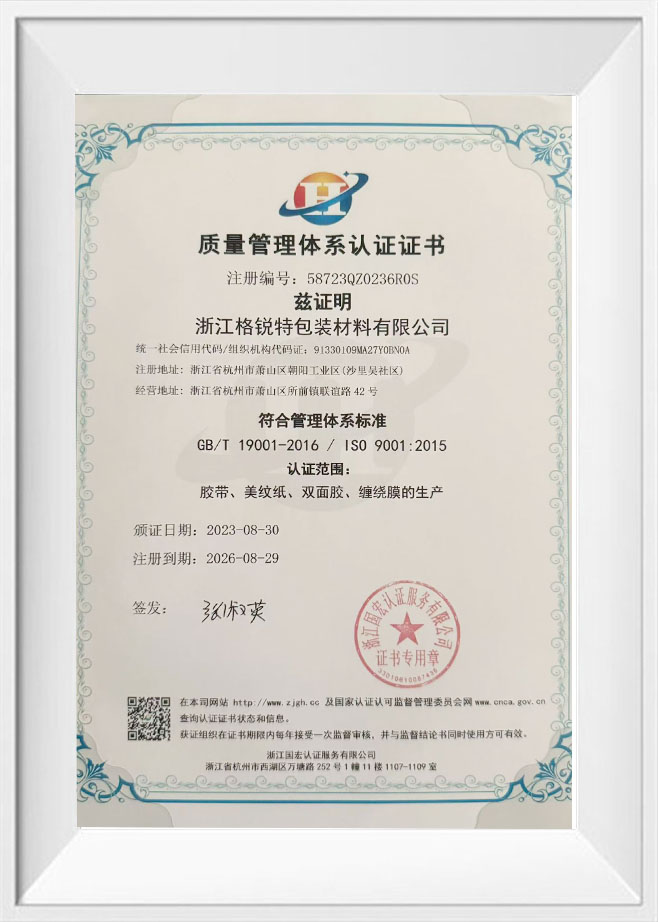 Quality Management System Certification Certificate
 -
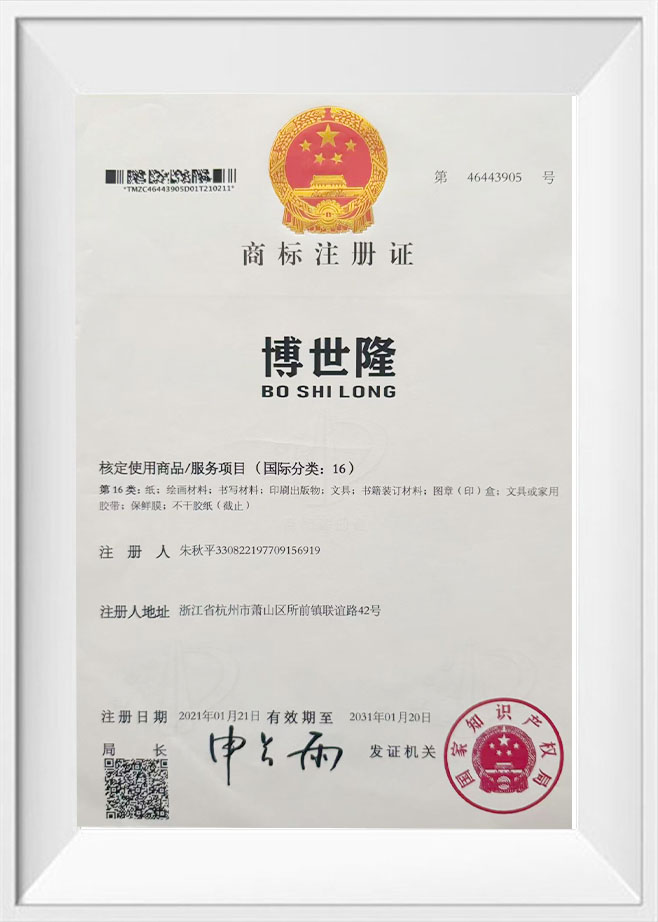 Trademark Registration Certificate
 -
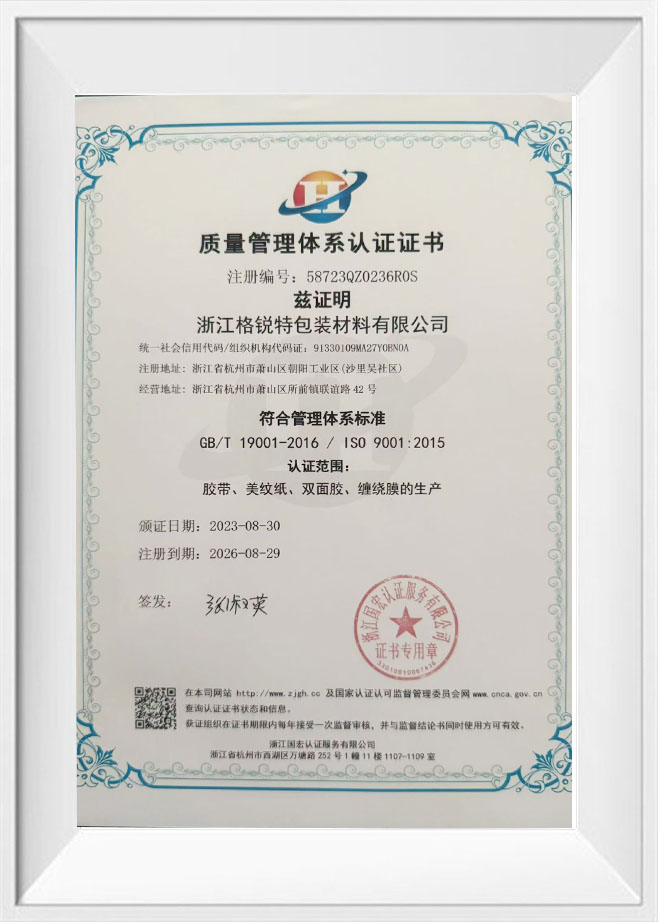 Quality Management System Certification Certificate
News
-
Company News 2026-03-31
Zhejiang Geruite Packaging Materials Co., Ltd., a leading packaging solution provider based in Zhejiang Province, has successfully shipped nine containers of transparent stretch film to Los Angeles. This export marks another milestone in the company's conti...
View More -
Industry News 2026-03-25
What Is Kraft Paper Tape and Why Does It Matter for Packaging? Kraft paper tape is a paper-based adhesive tape made from kraft pulp — a wood pulp processed through the kraft chemical method that produces strong, tear-resistant fibers. Unlike plastic-based tap...
View More -
Industry News 2026-03-25
What Painters Tape Actually Does — and Where Most Users Choose Wrong Painters tape is a pressure-sensitive masking tape engineered to protect surfaces during painting, finishing, and surface preparation. Its defining characteristic is clean removal without ad...
View More
Contact us now
Strapping Band Industry Knowledge Extension
How Do Strapping Bands Enhance Efficiency in Warehouse and Distribution Operations?
In today’s fast-paced logistics and supply chain environments, maintaining efficiency and reducing operational delays are critical. One key product that has a direct impact on improving these operations is the strapping band. But how exactly do strapping bands contribute to the overall efficiency in warehouse and distribution settings?
Strapping bands, also known as strapping tape or banding, are used to secure and bundle products for shipment, storage, or transport. These bands are essential in both warehouses and distribution centers, ensuring that products remain intact and secure during handling and transit.
Improved Product Security and Protection
One of the primary functions of strapping bands is securing products for shipping or storage. Whether it’s a pallet of goods or a bundle of fragile items, strapping bands prevent damage caused by shifting, falling, or external pressures during transit.
-
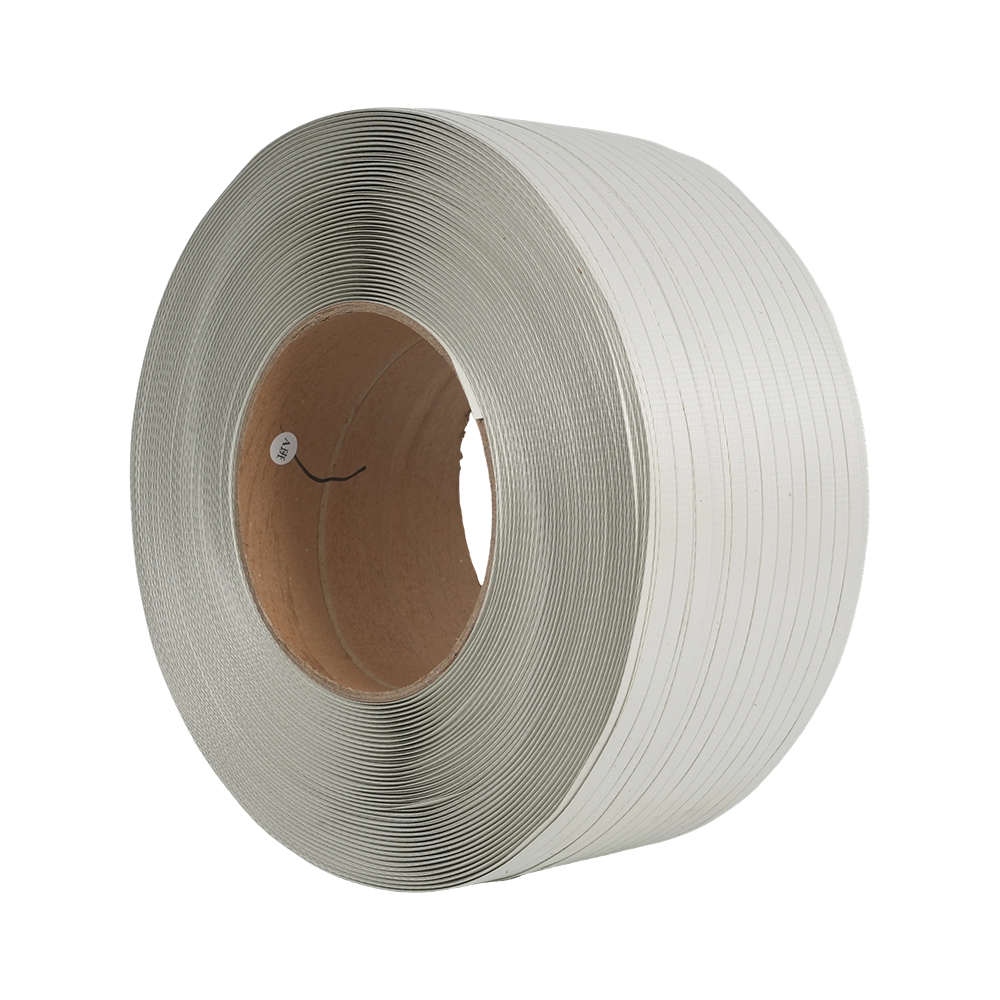
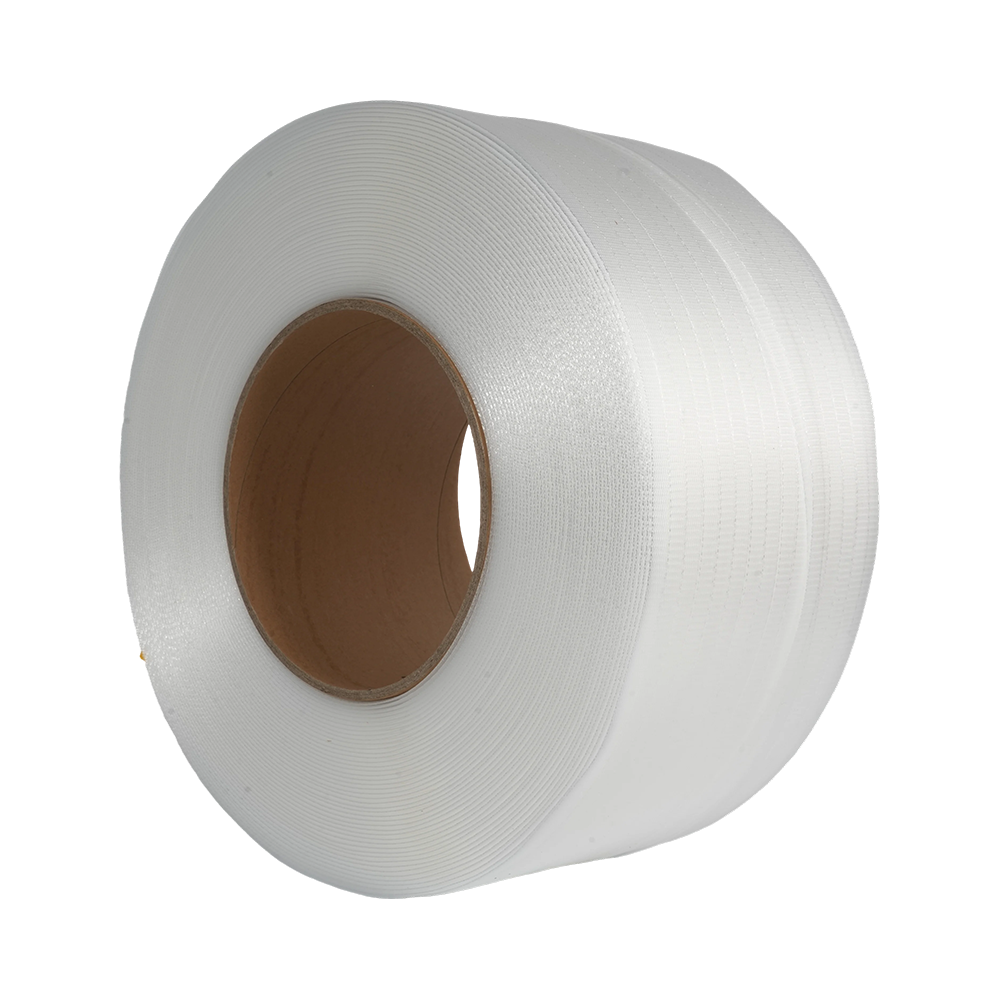
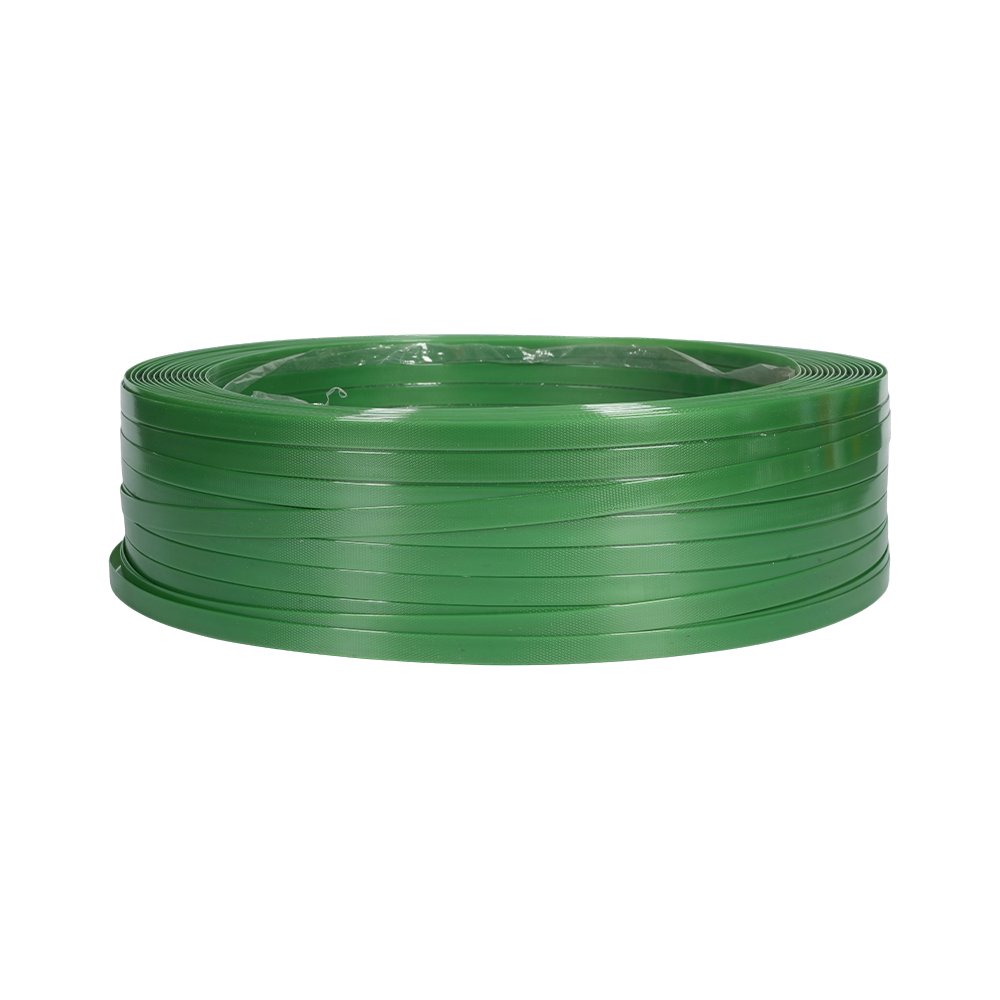
Material Strength: Strapping bands are made from materials such as polypropylene (PP), polyester (PET), and steel, each offering varying degrees of strength to meet different packaging requirements. For example, PET strapping bands are often used for heavier loads, while polypropylene bands are ideal for lightweight applications.
-
Prevention of Damage: By securing items together, strapping bands minimize the risk of damage caused by movement during handling. This is especially critical for fragile items or those prone to damage from impact or moisture.
Key Benefits:
- Reduced product damage
- Improved load stability
- Protection during long-distance transit
Enhanced Operational Speed and Flexibility
Time is money in logistics, and strapping bands help increase efficiency by speeding up the packing process. Workers can quickly secure loads and bundles without needing complicated or time-consuming packaging methods.
-
Ease of Use: Strapping bands can be applied manually or using automated machines. Manual strapping is simple and requires minimal training, while automated systems can strap hundreds of packages per hour, reducing labor costs and human error.
-
Versatility in Application: Strapping bands can be used on various products, ranging from small boxes to large pallets, providing flexibility in different warehouse settings. This versatility allows warehouses and distribution centers to streamline their processes by using a single solution for a wide range of products.
Key Benefits:
- Quick application
- Less reliance on labor
- Adaptable for different product types
Cost-Effective Packaging Solution
Strapping bands are an economical solution for securing packages, especially when compared to alternatives such as shrink wrap or wooden crates. Their cost-effectiveness helps warehouses reduce packaging expenses while still ensuring the safety and security of goods.
-
Affordable Materials: Polypropylene and polyester strapping bands are both affordable options that offer durability without breaking the budget. This allows businesses to meet their packaging needs without sacrificing quality.
-
Minimal Waste: Unlike bulky packaging materials, strapping bands generate minimal waste. This is not only cost-effective but also beneficial for environmentally conscious businesses looking to reduce their carbon footprint.
Key Benefits:
- Low cost per unit
- Minimal waste production
- Reduced need for alternative packaging
Optimized Storage Space
Strapping bands help optimize storage space by compacting products and allowing for more efficient stacking. This is particularly useful in warehouses where space is limited, and maximizing storage is key to handling high volumes of goods.
-
Compact Bundling: Strapping bands help keep items tightly bundled, preventing unnecessary gaps between products. This compactness allows for better organization and improved storage density.
-
Efficient Palletizing: Strapping bands are crucial for creating stable, stackable pallets. A well-strapped pallet can be safely stacked high, optimizing vertical storage space and increasing warehouse capacity.
Key Benefits:
- Improved space utilization
- Stable, stackable pallets
- Efficient warehouse layout
Better Load Control During Transport
Once products are packed and secured with strapping bands, they are ready for transportation. Strapping bands provide better load control, reducing the risk of goods shifting during transport, which can lead to delays or damage.
-
Reduced Movement: Strapping bands ensure that products remain in place during transit. This is particularly important for cargo that needs to be moved over long distances or through various transportation modes (e.g., truck, rail, sea).
-
Prevention of Losses: By securing goods tightly, strapping bands prevent the loss of smaller items that could otherwise slip through gaps in the packaging or pallet. This minimizes the risk of items being misplaced or damaged.
Key Benefits:
- Minimized risk of damage
- Fewer lost items
- More secure transportation
Customization and Branding Opportunities
Strapping bands not only improve logistics but can also offer branding opportunities. Custom strapping bands with logos or specific colors can be used to enhance brand visibility and recognition during shipments.
-
Custom Prints: Zhejiang Geruite Packaging Materials Co., Ltd. offer the option to print logos or brand names on strapping bands. This simple yet effective customization helps promote a brand while ensuring product security.
-
Color Coding: Color-coded strapping bands can be used to categorize products or indicate special handling requirements. This further enhances operational efficiency by providing an easy visual reference.
Key Benefits:
- Brand visibility
- Easy categorization
- Enhanced company identity
Choosing the Right Strapping Band for Your Operations
Not all strapping bands are created equal. When selecting the right type of strapping band for your warehouse or distribution operation, it’s essential to consider factors such as:
-
Material Type: Choose a material that aligns with the weight and nature of your product. Polypropylene is great for lighter loads, while polyester or steel strapping is ideal for heavier, more delicate products.
-
Strap Width and Strength: The width and strength of the strap should be appropriate for the items being packaged. Narrower straps may work for smaller items, while wider straps provide better support for bulkier or heavier products.
Key Benefits:
- Customized solutions based on needs
- Enhanced product compatibility
- Increased operational efficiency
Conclusion: The Impact of Strapping Bands on Operational Efficiency
Incorporating strapping bands into warehouse and distribution operations brings numerous benefits, from improved product security and operational speed to cost-effective packaging and optimized storage. Businesses that invest in high-quality strapping bands, like those produced by Zhejiang Geruite Packaging Materials Co., Ltd., can expect to see smoother operations, enhanced efficiency, and better overall product handling.
FAQ
1. What materials are commonly used for strapping bands?
- The most common materials are polypropylene (PP), polyester (PET), and steel. Each offers different levels of strength and flexibility to suit various packaging needs.
2. How do strapping bands improve warehouse organization?
- Strapping bands help organize products into compact bundles, making it easier to store, stack, and access items, thus optimizing warehouse space.
3. Can strapping bands be customized for branding?
- Yes, strapping bands can be customized with company logos or specific colors, which can serve as a marketing tool while enhancing security.
4. How do strapping bands prevent product damage?
- By securely holding items together, strapping bands prevent movement during handling and transport, reducing the risk of damage from shifting or impact.
5. What are the benefits of using polyester strapping bands?
- Polyester strapping bands are highly durable, resistant to UV damage, and are ideal for securing heavy loads or products that need to withstand long-distance transport.
CONTACT DETAILS
- Address:No. 241, Yaojiafan, Zhangpanqiao, Shushan Street, Xiaoshan District, Hangzhou City, Zhejiang Province, China
- TEL:+86-0571-83175630
- Phone:+86-13336160217
- Email:[email protected]
PRODUCTS
NEWS CENTER
MOBILE TERMINAL
Copyright© Zhejiang Geruite Packaging Materials Co., Ltd. All Rights Reserved.
Strapping Band Wholesale