-
 +86-0571-83175630
-
 [email protected]

 English
  Español
  عربى
عربى 
Blue Mylar Tape Guide: Types, Applications & Technical Specifications
Content
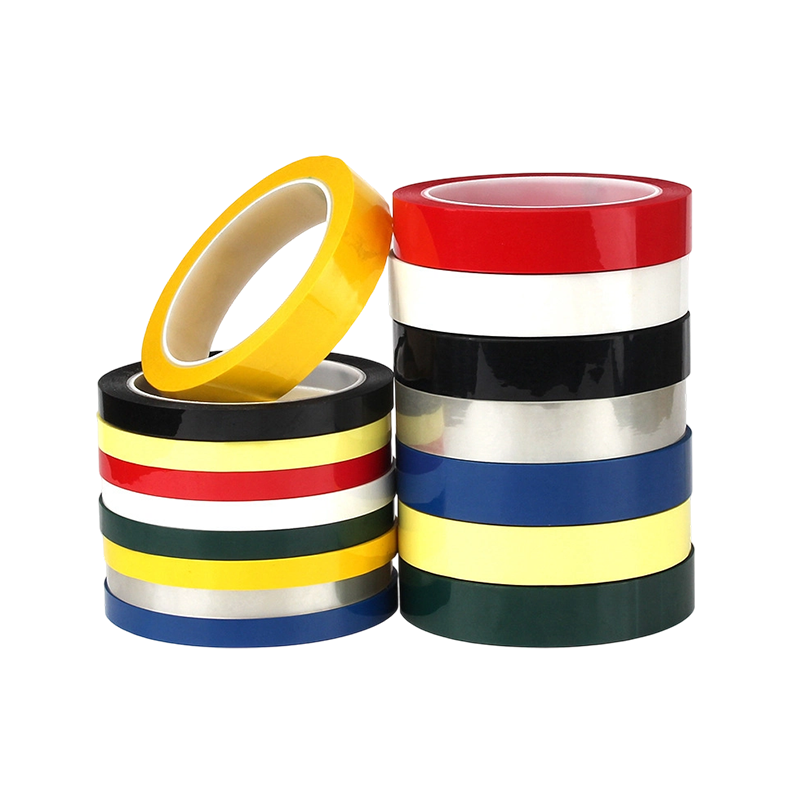
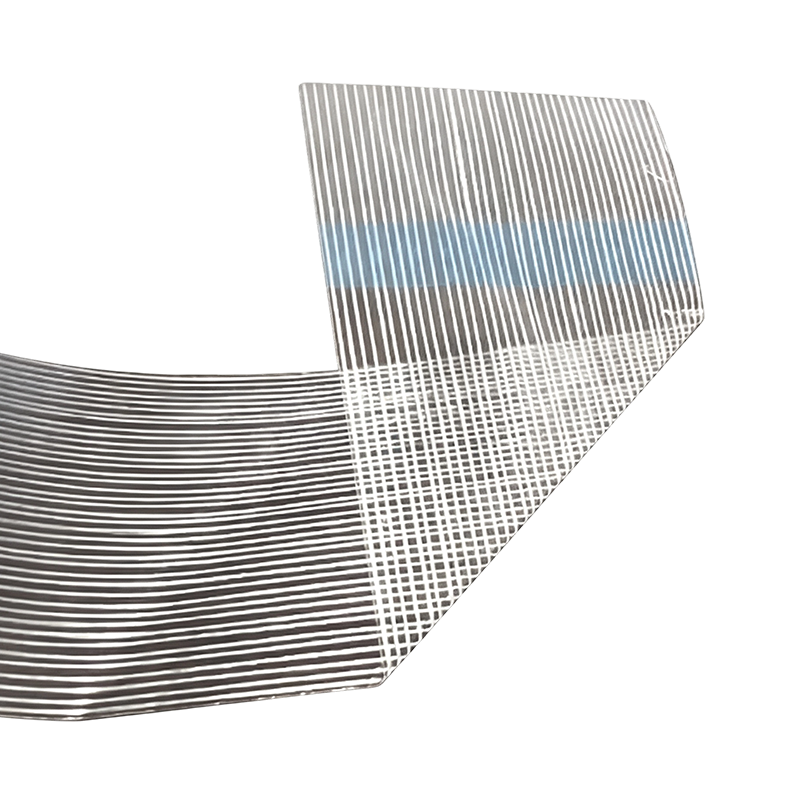
Blue mylar tape provides superior electrical insulation and mechanical protection through biaxially oriented polyethylene terephthalate film backing combined with pressure-sensitive adhesive systems. Mylar packaging tape offers tensile strength ranging from 20 to 30 pounds per inch, while specialized mylar adhesive tape formulations withstand temperature extremes from -60°F to 350°F. The distinctive blue coloration enables quick identification in complex wiring harnesses and serves as a visual indicator for specific circuit phases or safety boundaries in industrial environments.
Material Composition and Film Properties
Understanding the substrate characteristics of blue mylar tape explains its performance advantages across demanding applications. The polyester film undergoes stretching in both machine and transverse directions during manufacturing, creating molecular alignment that enhances strength and dimensional stability.
Film Thickness and Tensile Performance
Standard blue mylar tape utilizes film thicknesses between 0.5 mil and 2 mil depending on application requirements. One-mil film provides optimal balance between conformability and strength, achieving tensile strength of 25,000 psi with elongation at break of 100-130%. Thicker 2-mil variants offer increased puncture resistance for heavy-duty cable bundling but sacrifice flexibility around tight bend radii below 3mm.
Color Pigmentation and UV Stability
The blue coloration results from incorporation of phthalocyanine or anthraquinone pigments at 0.5% to 2% concentration by weight. Premium grades utilize light-stabilized pigments that maintain colorfastness for 500+ hours of UV exposure under ASTM G154 testing conditions. This stability proves critical for outdoor telecommunications applications where color coding must remain legible throughout service life. Economy grades may exhibit noticeable fading after 100 hours of equivalent exposure.

Adhesive System Technologies
Mylar adhesive tape performance depends significantly on adhesive chemistry selection, with each formulation offering distinct advantages for specific operating environments.
| Adhesive Chemistry | Temperature Range | Adhesion to Steel | Primary Applications |
|---|---|---|---|
| Acrylic | -40°F to 300°F | 45 oz/in | General insulation, labeling |
| Silicone | -60°F to 350°F | 35 oz/in | High temperature coils |
| Rubber | -20°F to 200°F | 60 oz/in | Temporary holding, splicing |
| Thermosetting | -40°F to 400°F | 80 oz/in after cure | Permanent bonding, motors |
Acrylic adhesives dominate general-purpose mylar packaging tape due to their balance of adhesion and environmental resistance. Silicone systems command premium pricing but deliver essential performance for transformer and motor applications where operating temperatures regularly exceed 200°F. Thermosetting adhesives require heat activation to achieve full bond strength, creating permanent assemblies that resist solvent exposure and thermal cycling.
Electrical Insulation Performance
Blue mylar tape serves critical functions in electrical systems where dielectric strength and thermal endurance determine safety and reliability.
Dielectric Strength and Voltage Rating
Standard 1-mil polyester film exhibits dielectric strength of 4,000 to 5,000 volts per mil, providing 4 to 5 kV insulation capability for single-layer applications. Practical electrical ratings account for manufacturing variations and safety margins, with UL listings typically certifying 600V working voltage for single wraps and 1,000V for double-layer installations. Corona resistance testing under ASTM D149 demonstrates mylar tape maintains insulation integrity for 1,000+ hours at 120% rated voltage in humid conditions.
Thermal Classification and Endurance
UL 1446 thermal classification systems recognize mylar tape with appropriate adhesives as suitable for 130°C Class B insulation systems. Accelerated aging tests under IEEE 117 demonstrate that properly applied mylar adhesive tape retains 50% of initial dielectric strength after 20,000 hours at rated temperature. This longevity exceeds the typical service life of consumer electronics and industrial equipment, making mylar tape a reliable choice for permanent installations.
Industrial Applications and Selection Criteria
Matching mylar packaging tape specifications to operational requirements ensures optimal performance and cost efficiency across diverse industrial sectors.
Electronics manufacturing utilizes blue mylar tape for coil winding termination, capacitor banding, and transformer interlayer insulation. The blue color provides immediate visual confirmation of proper insulation placement during quality inspections. Aerospace applications demand certified materials meeting ASTM D2305 specifications for flame resistance and outgassing characteristics, with total mass loss restricted to 1.0% maximum under vacuum conditions.
Solar panel assembly requires mylar adhesive tape with 85°C/85% RH humidity resistance certification to prevent delamination in outdoor environments. The tape must maintain adhesion to both glass and aluminum frame materials throughout 25-year service life projections. Automotive wire harness applications specify tapes meeting SAE J1128 requirements for fluid resistance against engine oils, coolant, and brake fluid exposure.
Application Techniques and Storage
Proper handling and application methods maximize the performance potential of blue mylar tape in critical installations.
Surface preparation requires removal of oils, moisture, and particulate contamination that compromise adhesive bonding. Isopropyl alcohol cleaning followed by complete drying improves adhesion by 20-30% compared to application over unprepared surfaces. Optimal application temperature ranges between 60°F and 80°F; cold conditions stiffen the adhesive and reduce initial tack, while excessive heat accelerates solvent loss in rubber-based systems.
Storage conditions significantly impact shelf life and performance. Mylar adhesive tape should remain in original packaging at temperatures between 40°F and 80°F with relative humidity below 75%. Exposure to direct sunlight or UV sources degrades the adhesive and may cause premature yellowing of the polyester film. Properly stored tape maintains specified properties for 24 months from manufacture date, while degraded tape exhibits reduced tack and increased unwind force.
Regulatory Compliance and Environmental Considerations
Modern manufacturing environments require verification that mylar packaging tape meets environmental and safety regulations applicable to end-use markets.
RoHS compliance ensures blue mylar tape formulations exclude restricted substances including lead, cadmium, mercury, and hexavalent chromium. REACH regulations require disclosure of Substances of Very High Concern exceeding 0.1% concentration in tape components. Electronics manufacturers should request full material declaration documentation to confirm compliance throughout supply chains.
Recycling considerations favor polyester film tapes over PVC alternatives due to established PET recycling streams. However, the adhesive layer complicates mechanical recycling processes. Some manufacturers now offer solvent-free adhesive systems that improve recyclability while maintaining performance specifications. Biodegradable alternatives to traditional mylar tape remain limited in temperature resistance but serve applications where end-of-life environmental impact takes priority over long-term durability.
LATEST POST
Let’s create something amazing together
contact us

CONTACT DETAILS
- Address:No. 241, Yaojiafan, Zhangpanqiao, Shushan Street, Xiaoshan District, Hangzhou City, Zhejiang Province, China
- TEL:+86-0571-83175630
- Phone:+86-13336160217
- Email:[email protected]
- WeChat/WhatsApp:+86-18058115265
PRODUCTS
NEWS CENTER
MOBILE TERMINAL
Copyright© Zhejiang Geruite Packaging Materials Co., Ltd. All Rights Reserved.
Privacy Wholesale industrial packaging tape Manufacturers