-
 +86-0571-83175630
-
 [email protected]

 English
  Español
  عربى
عربى 
How to Remove Painter's Tape Without Damaging Paint | Tips & Risks
Content
Does Painter's Tape Damage Walls — and Does Masking Tape Make It Worse?
Painter's tape is engineered specifically to release cleanly from painted surfaces, but it can still damage walls if used incorrectly. Standard masking tape poses a significantly higher risk: its stronger adhesive is designed for paper and cardboard, not interior wall coatings, and pulling it away from drywall or plaster can lift paint, remove primer, or even tear the paper facing of the drywall itself.
The core difference lies in adhesive strength. Most painter's tape products use a low-tack acrylic adhesive rated between 20 and 50 oz/in of peel strength, while general-purpose masking tapes often exceed 70 oz/in. That gap matters enormously on surfaces with fresh paint, thin coatings, or older latex that has become brittle over time.
Wall condition is the other major variable. Freshly painted surfaces — those cured for fewer than 30 days — are especially vulnerable regardless of tape type. Eggshell, satin, and flat finishes are more prone to peeling than semi-gloss or gloss, because their porous structure allows adhesive to bond more deeply into the coating.
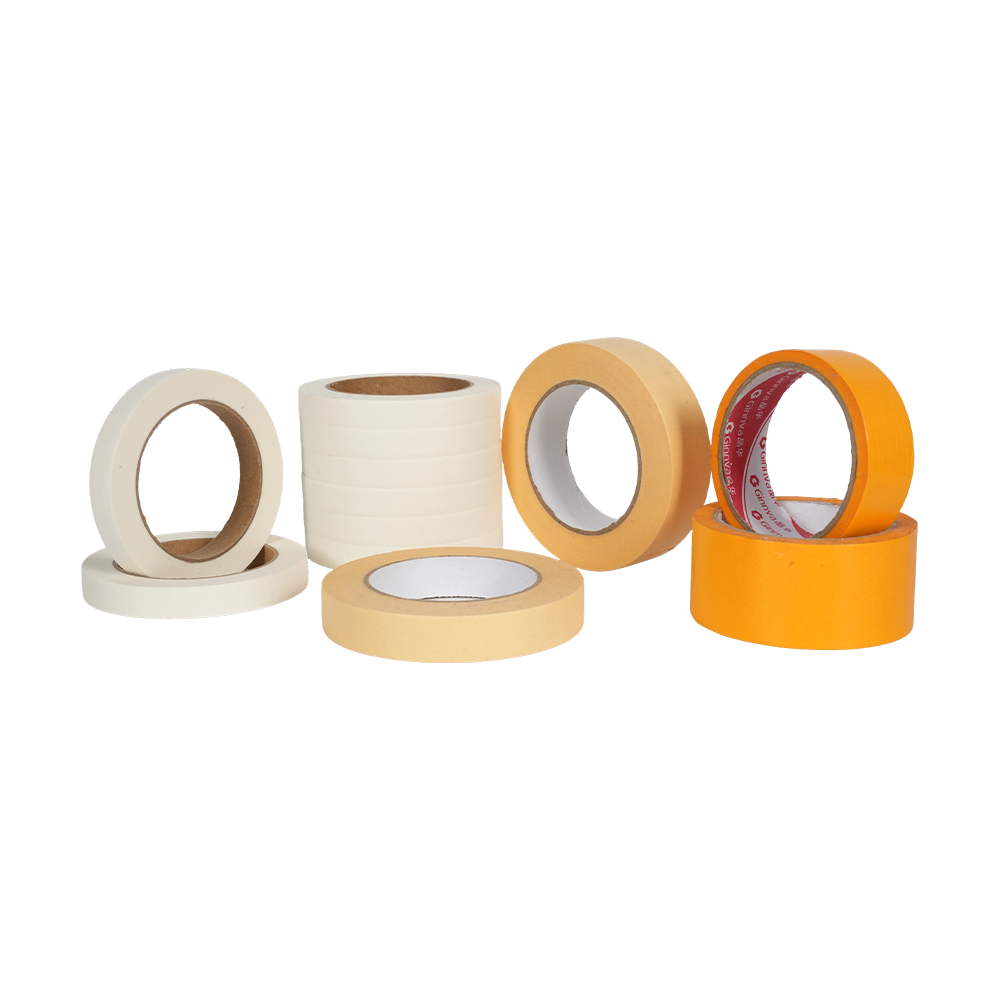
How to Remove Painter's Tape Without Removing Paint
The removal angle and timing are the two factors that most directly determine whether paint comes off with the tape.
Pull at a 45-Degree Angle, Slowly
Pulling tape straight back (180°) concentrates stress on a narrow point where the adhesive meets the paint film, dramatically increasing the chance of delamination. Peeling at a 45-degree angle distributes that stress across a longer release zone, giving the adhesive time to separate cleanly rather than fracture the coating beneath it. Keep the pace slow and steady — jerking the tape free is one of the most common causes of paint pull.
Remove While the Paint Is Still Slightly Warm or Immediately After Drying
There are two safe windows for removal. The first is while the topcoat is still tacky-warm from drying (within the first 1–2 hours for most latex paints): at this stage the paint film is flexible and the tape edge releases without cracking. The second window is after the paint has fully cured — typically 24 hours for touch-dry, but 14–30 days for a fully hardened latex film. Removing tape during the intermediate stage, when the paint is dry to the touch but not yet cured, is where most damage occurs because the film is stiff enough to crack but not hard enough to resist adhesive pull.
Score the Edge with a Utility Knife or Razor Blade
If the tape has been in place for more than 24–48 hours or a hard paint edge has formed over it, run a sharp utility knife or razor blade along the tape line before pulling. Hold the blade nearly parallel to the wall surface and use light pressure — the goal is to cut the paint film at the tape edge, not scrape into the wall. This prevents the cured paint from pulling a strip of the underlying finish with it as the tape releases.
Use a Hair Dryer on Stubborn Tape
Heat softens the acrylic adhesive and makes it easier to release without tearing. Set a hair dryer to low or medium heat and hold it 3–4 inches from the tape for 20–30 seconds per section, then peel immediately while the adhesive is still warm. This technique is particularly effective on painter's tape that has been left on walls for longer than the recommended removal window — most manufacturers specify a maximum of 14 days before adhesive bonding becomes difficult to reverse.
Factors That Increase the Risk of Paint Damage
Even high-quality painter's tape can damage walls under certain conditions. Understanding these risk factors helps avoid costly touch-up work:
- Paint age and cure state: Latex paint reaches touch-dry in 1–2 hours but does not fully polymerize for 2–4 weeks. Tape applied or removed during this window carries elevated risk.
- Paint sheen: Flat and matte finishes have higher porosity, allowing adhesive to penetrate the coating. Semi-gloss and gloss surfaces are far more tape-resistant.
- Temperature and humidity: High humidity slows curing; low humidity can make the adhesive overly aggressive. Cold walls cause adhesive to stiffen, increasing tear risk on removal.
- Tape overlap on paint: Tape that bridges a fresh paint edge bonds to both surfaces. If the topcoat and underlying layer are not fully adhered to each other, the tape can delaminate the new paint from the old.
- Extended dwell time: The longer tape remains on a wall, the more the adhesive outgasses solvents into the coating. Most painter's tape products are rated for 1–14 days; exceeding this range significantly increases the chance of residue or paint lift.
Painter's Tape vs. Masking Tape: A Direct Comparison
| Property | Painter's Tape | Standard Masking Tape |
|---|---|---|
| Adhesive type | Low-tack acrylic | Rubber-resin (higher tack) |
| Peel strength (typical) | 20–50 oz/in | 55–90 oz/in |
| Max recommended dwell time on painted walls | 1–14 days | Hours to 1–2 days |
| Risk of paint lift | Low (if used correctly) | High |
| Adhesive residue | Minimal | Likely if left too long |
| Paint edge sharpness | Sharp, clean line | Moderate bleed risk |
What to Do If Paint Comes Off with the Tape
If the tape pulls paint despite careful removal, the repair process depends on the extent of damage:
- Small nicks or chips: Lightly sand the damaged edge with 220-grit sandpaper to feather the transition, wipe clean, and touch up with the original paint color. Apply thin coats to avoid a visible ridge.
- Larger lifted sections: If primer or drywall facing is exposed, apply a thin skim coat of joint compound, let it dry fully, sand smooth, re-prime, and repaint. Skipping the primer step usually results in a visible sheen difference.
- Adhesive residue: Dampen a cloth with rubbing alcohol or a citrus-based adhesive remover and rub gently. Avoid soaking the wall — excess moisture can raise the paper on drywall and create a new surface problem.
The best repair is prevention: always confirm paint is fully cured before taping, choose the correct tape grade for the surface, and remove tape promptly within the manufacturer's specified dwell window.
CONTACT DETAILS
- Address:No. 241, Yaojiafan, Zhangpanqiao, Shushan Street, Xiaoshan District, Hangzhou City, Zhejiang Province, China
- TEL:+86-0571-83175630
- Phone:+86-13336160217
- Email:[email protected]
- WeChat/WhatsApp:+86-18058115265
PRODUCTS
NEWS CENTER
MOBILE TERMINAL
Copyright© Zhejiang Geruite Packaging Materials Co., Ltd. All Rights Reserved.
Privacy Wholesale industrial packaging tape Manufacturers