-
 +86-0571-83175630
-
 [email protected]

 English
  Español
  عربى
عربى 
How to Use Painter's Tape: Application, Taping Walls & When to Remove
Content
How to Use Painter's Tape: The Basics Done Right
Painter's tape is one of the most useful — and most misused — tools in any painting project. Used correctly, it delivers crisp, clean edges with no bleed-through. Used carelessly, it can peel away fresh paint, leave adhesive residue, or fail to seal properly and allow paint to seep underneath. Getting reliable results comes down to surface preparation, application technique, and timing.
The core principle of how to use painter's tape is straightforward: the tape acts as a physical barrier between the area being painted and the surface that needs to stay clean. But that barrier only works if the tape is fully adhered, applied to the right surface condition, and removed at the right time.
Step 1: Prepare the Surface
Painter's tape adheres best to surfaces that are clean, dry, and free of dust, grease, or loose paint. Wipe down walls with a damp cloth and allow them to dry completely before taping. On surfaces with existing paint, check for any areas where paint is already peeling or flaking — tape applied over compromised paint will lift it further when removed.
Step 2: Apply the Tape with Consistent Pressure
Unroll the tape in manageable lengths — around 12 to 18 inches at a time — and press it firmly along the edge you want to protect. Run your thumb or a plastic putty knife along the entire taped edge to seal it fully against the surface. The most common cause of paint bleed is insufficient pressure on the tape edge, leaving microscopic gaps that capillary action draws paint into. Pay particular attention to corners and any section of tape that crosses a textured surface.
Step 3: Choose the Right Tape for the Job
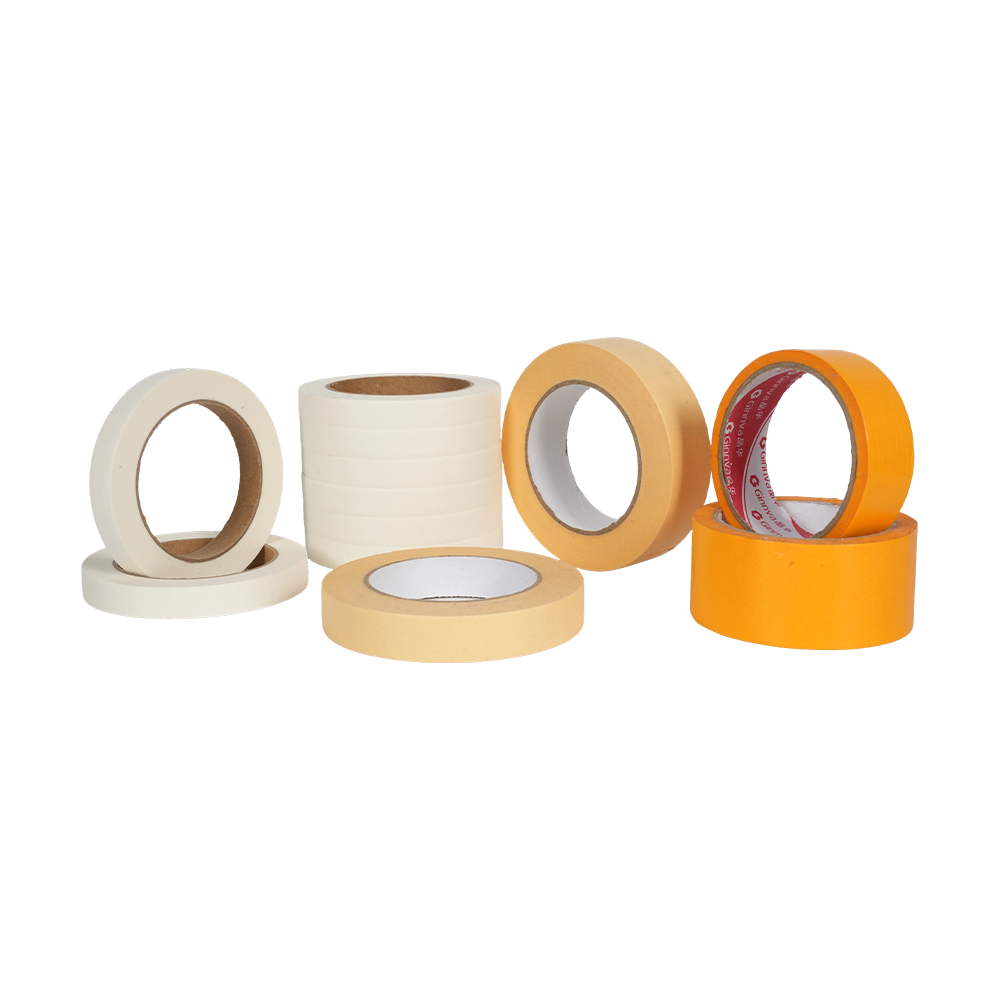
Not all painter's tape is the same. Standard blue painter's tape (typically 14-day adhesion) works well for most interior wall applications. Delicate surface tape (often yellow or light pink, rated for 60 days) uses a lower-tack adhesive suited for fresh paint, wallpaper, or faux finishes. Exterior or UV-resistant tape is formulated for outdoor use and direct sunlight exposure. Using a general-purpose tape on a delicate or freshly painted surface is a common mistake that leads to paint lifting on removal.
How to Tape Walls for Painting: Room-by-Room Guide
Knowing how to tape walls for painting efficiently makes the difference between a frustrating setup and a smooth, professional-looking result. The approach varies slightly depending on what you're protecting.
Taping Along Trim and Baseboards
Apply tape along the top edge of baseboards and the inner edge of door and window trim. Work slowly and keep the tape edge flush with the line where trim meets wall. For curved or irregular trim profiles, use a flexible tape or apply shorter sections to navigate the curve without the tape lifting. After application, press the edge firmly with a putty knife.
Taping the Ceiling Line
Taping for painting at the ceiling-wall junction is one of the more demanding tasks, as the line needs to be both straight and continuous. Apply the tape along the ceiling, pressing the lower edge firmly against the wall. For a particularly straight line, use a laser level or chalk line as a guide before applying the tape. An alternative to taping the ceiling line is to develop a steady hand technique with an angled brush — many experienced painters find cutting in freehand faster than taping for straight-walled rooms.
Protecting Outlets, Switches, and Fixtures
For outlet covers and switch plates, the simplest approach is to remove them entirely rather than tape around them — it takes 30 seconds and produces a cleaner result. For fixed fixtures, light switches, or anything that cannot be removed, apply tape around the perimeter and use additional tape or plastic sheeting to cover the face.
Taping for Two-Colour Walls or Accent Stripes
When creating a colour boundary on a wall — such as a chair rail line, a colour block, or decorative stripes — precision matters most. Measure and mark the line with a pencil and level before applying tape. For stripes, use a level and mark both edges of each stripe before taping. Apply the tape on the side of the line that will not be painted, so the painted edge falls exactly at the tape's edge when removed.
The Seal Coat Trick for Bleed-Free Edges
On textured walls or any surface where perfect adhesion is difficult to guarantee, use the seal coat method: paint a thin coat of the base colour (or a clear sealer) along the tape edge first, and let it dry before applying the new colour. Any bleed that occurs will be in the existing colour, invisible against the background. The new colour then sits cleanly against the sealed edge.
How Long After Painting to Remove Tape
Timing is one of the most critical — and most debated — aspects of using painter's tape. Remove the tape too early, and wet paint can smear or sag along the edge. Wait too long, and the adhesive bonds aggressively to the surface, tearing paint on removal or leaving residue behind. Neither extreme produces a clean result.
The General Rule: Remove While Paint Is Still Slightly Tacky
For most latex and water-based paints — which represent the vast majority of interior wall paints — the optimal removal window is after the paint has dried to the touch but before it has fully cured. In practice, this means removing the tape within 1 to 4 hours after the final coat in typical indoor conditions (65–75°F, 40–60% relative humidity).
At this stage the paint film has formed and will not smear, but it remains slightly flexible and has not yet fully bonded to the tape. Removal at this point produces the cleanest edge with the lowest risk of paint lift.
Oil-Based Paints: Wait Longer
Oil-based paints dry significantly more slowly than latex. They may feel dry to the touch within 6 to 8 hours but remain flexible and somewhat soft for 24 hours or longer. For oil-based applications, wait at least 24 hours before attempting tape removal, and remove slowly and carefully.
If You Waited Too Long: Scored Removal
If the paint has fully cured and bonded to the tape — typically after 24+ hours for latex or 48+ hours for oil-based — do not attempt to pull the tape away directly. Instead, use a sharp utility knife or razor blade to score along the tape edge before pulling. Hold the blade at a 45-degree angle and draw it lightly along the junction between the tape and the paint. This severs the paint film cleanly at the tape edge and prevents the tape from pulling a strip of cured paint away from the wall.
| Paint Type | Ideal Removal Window | If Fully Cured |
|---|---|---|
| Latex / Water-Based | 1–4 hours after final coat | Score with blade before pulling |
| Oil-Based | 24 hours after final coat | Score with blade before pulling |
| Fresh / Delicate Surface | As soon as touch-dry (~1 hr) | Use delicate-surface tape; score if needed |
| Exterior / UV-Exposed | Within same day; before sundown | Score carefully; heat with hair dryer if adhesive is stubborn |
When to Remove Painter's Tape: Reading the Signs
Beyond the clock, there are reliable visual and tactile cues that tell you when to remove painter's tape with confidence:
- The paint no longer transfers to the touch. Lightly touch an inconspicuous painted area with a clean fingertip. If no paint comes away, the surface is dry enough for tape removal.
- The paint surface is no longer glossy-wet. Fresh paint has a wet sheen that transitions to a flat or satin appearance as it dries. Once the sheen has gone and the colour looks even, it is typically safe to proceed.
- The tape edge looks defined, not blurry. If paint has seeped under the tape in spots, it usually becomes visible as a blurry or ragged edge before the paint fully dries — a sign to proceed immediately rather than waiting longer.
High humidity, low temperatures, or thick paint applications all extend drying time. In a cold garage or basement in winter, a paint that would normally be ready for tape removal in 2 hours may need 6 to 8 hours. Always adjust removal timing to actual conditions rather than following a fixed rule.
How to Remove Painter's Tape Without Damaging Paint
Proper removal technique is just as important as proper application. Follow these steps for a clean pull every time:
- Pull at a 45-degree angle, not straight back. Pulling the tape back at a low angle — roughly 45 degrees relative to the wall surface — minimises the force on the paint film and reduces the risk of tearing.
- Pull slowly and steadily. A slow, consistent pull gives the paint film time to release cleanly. Fast, jerky removal tears paint and pulls adhesive residue from the tape.
- Support the tape as you go. Keep the removed section of tape folded back on itself rather than letting it hang and pull at an angle — this maintains consistent tension at the removal point.
- If the tape resists, stop and score. Resistance means the paint has cured and bonded. Do not force it — score the edge with a utility knife first, then resume pulling.
- Address any bleed immediately. If minor bleed-through is visible after tape removal, correct it while the paint is still fresh using a small artist's brush and the appropriate colour — touch-ups in fresh paint blend far better than corrections made after full cure.
Common Painter's Tape Mistakes and How to Avoid Them
Even experienced painters make these errors. Knowing them in advance prevents wasted time and rework:
- Taping over dusty or damp surfaces. Tape will not adhere properly and paint will bleed under the edge. Always clean and dry the surface before taping.
- Using masking tape instead of painter's tape. Standard masking tape uses a more aggressive adhesive that can tear paint, especially on walls with latex finishes, and leaves residue that is difficult to remove cleanly.
- Not pressing down the tape edge. The most preventable cause of bleed-through. Always burnish the tape edge firmly after application.
- Leaving tape on for the full rated adhesion period. A tape rated for "14 days" means the adhesive will remain workable for up to 14 days — not that you should leave it for 14 days. Longer on the surface always means more risk of residue and paint damage on removal.
- Applying too many layers of paint over the tape. Each additional coat builds up at the tape edge. Multiple heavy coats increase the likelihood of tearing when the tape is removed. Apply paint in thin, even coats and stop the brush stroke on the tape rather than loading paint against it.
CONTACT DETAILS
- Address:No. 241, Yaojiafan, Zhangpanqiao, Shushan Street, Xiaoshan District, Hangzhou City, Zhejiang Province, China
- TEL:+86-0571-83175630
- Phone:+86-13336160217
- Email:[email protected]
- WeChat/WhatsApp:+86-18058115265
PRODUCTS
NEWS CENTER
MOBILE TERMINAL
Copyright© Zhejiang Geruite Packaging Materials Co., Ltd. All Rights Reserved.
Privacy Wholesale industrial packaging tape Manufacturers