-
 +86-0571-83175630
-
 [email protected]

 English
  Español
  عربى
عربى 
How to Use Painter's Tape: Application, Taping Rooms & When to Remove
Content
How to Apply Painter's Tape Correctly
Painter's tape only performs as intended when it's applied correctly. Rushed or careless application is the most common reason paint bleeds under the tape and ruins otherwise clean work. The technique takes a few extra minutes but the difference in results is significant.
Start with a clean, dry surface. Dust, grease, or moisture on the wall prevents the tape's adhesive from bonding fully, creating gaps where paint can wick underneath. Wipe down baseboards, trim, and edges with a damp cloth and allow them to dry completely before taping. On freshly painted surfaces, wait until the paint has cured — not just dried to the touch — before applying tape over it; most latex paints need at least 24 hours, and some recommend 72 hours for a fully cured bond that resists tape adhesive pulling the surface.
Unroll a manageable length of tape — 12 to 18 inches at a time — and press it to the surface in sections rather than pulling a long strip and trying to align it all at once. Position the tape edge precisely on the boundary line, then use a putty knife, a plastic scraper, or even your fingernail to burnish the tape edge firmly against the surface. The inner edge of the tape — the side facing the area you're painting — is where adhesion matters most. Any gap along that edge is a path for paint to travel under the tape.
On textured surfaces like orange peel or knockdown walls, achieving a perfect seal along the tape edge is difficult regardless of technique. A useful workaround: once the tape is applied and burnished, paint a thin coat of the base color (the color already on the wall) along the tape edge and let it dry before applying your new paint color. The base coat seals any small gaps, and subsequent bleed will be the existing color — invisible against the background it matches.
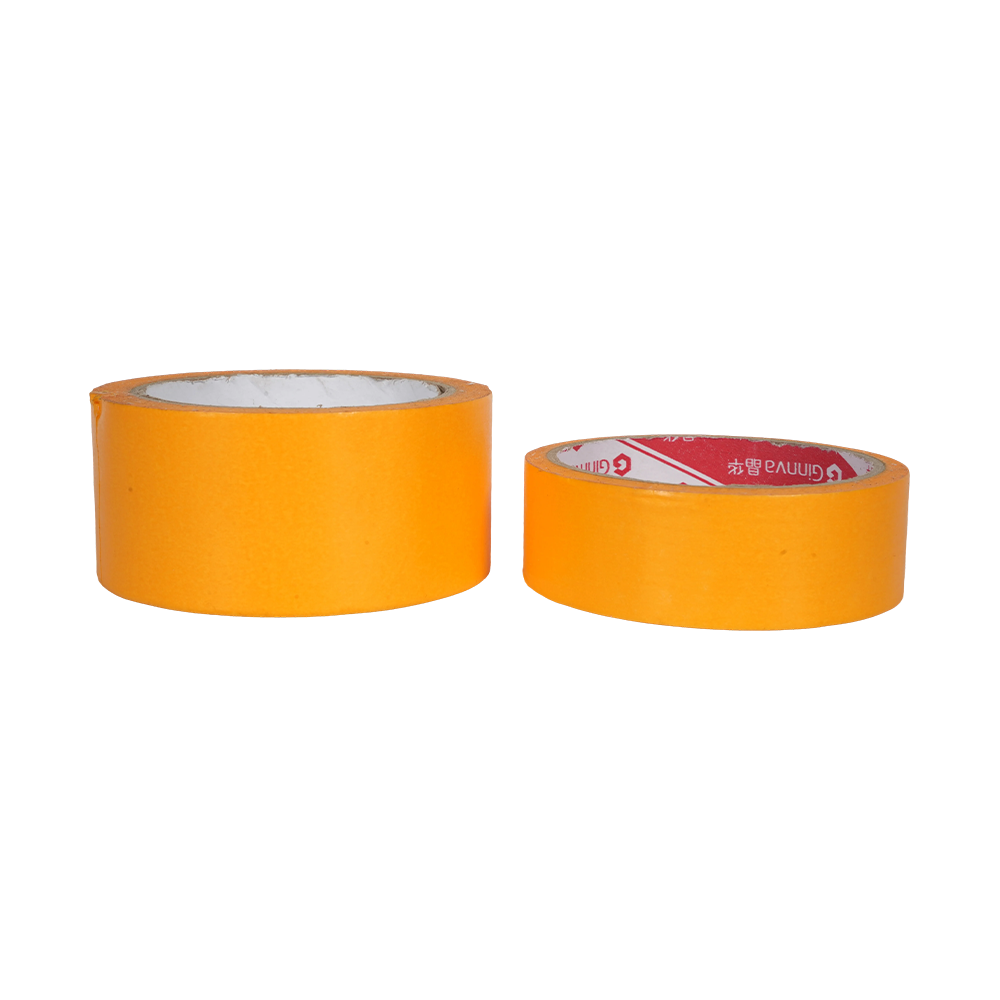
How to Tape a Room for Painting
Taping a room efficiently requires thinking through which surfaces need protection before you open a can of paint. The surfaces that typically require tape are: the ceiling line where it meets the wall, trim and baseboards, window and door casings, switch plates and outlet covers (though these are better removed entirely when possible), and any adjacent walls receiving a different color.
Work around the room systematically rather than taping wherever you happen to be standing. Start at ceiling level — tape the ceiling edge first because paint on walls is easier to touch up than paint on ceilings, and ceiling paint sprayed or rolled too close to the wall is harder to clean. Run the tape along the ceiling, pressing the lower edge firmly against the wall-ceiling junction.
For baseboards and trim, apply the tape to the trim itself with the edge aligned precisely at the point where trim meets wall. Many painters also run a length of rosin paper or masking paper along the floor behind the baseboard tape to protect flooring from drips and roller splatter — painter's tape alone is too narrow to catch everything. For window and door casings, tape the casing face with the tape edge at the wall-casing boundary, and consider covering the glass with tape and newspaper or plastic sheeting if you're painting close to window frames.
Two-color accent walls and color blocks require careful layout. Use a level and chalk line to establish the boundary before applying tape — eyeballing a straight horizontal or vertical line across a large wall rarely produces an acceptable result. Mark the line lightly with chalk or pencil, then apply the tape with one edge tracking the mark precisely.
When to Remove Painter's Tape
Timing is the variable that determines whether you get a clean line or a ragged edge — and the right answer depends on the paint type and how the tape was applied.
Removing Tape While Paint Is Still Wet
Removing tape while the paint is still wet — typically within an hour of the final coat, before a skin forms — produces the sharpest lines on smooth surfaces. The paint hasn't bonded the tape to the wall, so the edge separates cleanly. This approach works best on smooth walls with latex paint and firm tape adhesion. The risk is that a wet edge can sag slightly or be disturbed by the removal process, so pull the tape back slowly at a low angle rather than jerking it away.
Removing Tape After Paint Has Dried
Waiting until the paint is fully dry — at least a few hours for latex paint under normal temperature and humidity conditions — is safer on textured or porous surfaces where wet removal risks pulling up sections of paint. The tradeoff is that dried paint forms a film that bridges the tape edge and the wall; pulling the tape without scoring this film first frequently causes the paint to chip or peel along the line.
To prevent this, score along the tape edge with a sharp utility knife or razor blade before pulling — a single light pass is enough to cut the paint film without cutting into the wall surface beneath. Then remove the tape slowly at a 45-degree angle back over itself, keeping tension consistent. Do not pull tape straight out from the wall — this directs stress into the paint layer rather than shearing cleanly along the scored line.
How Long Can Painter's Tape Stay On?
Most standard blue painter's tape is rated for 14 days of clean removal under normal interior conditions. Leaving tape on significantly longer — particularly in direct sunlight, high heat, or high humidity — causes the adhesive to bond more aggressively to the surface and increases the risk of surface damage on removal. Some premium tapes are rated for longer periods, but regardless of rating, removing tape as soon as the project allows is always better than leaving it longer than necessary.
Choosing the Right Painter's Tape for the Job
Not all painter's tape is equivalent, and using the wrong type for a surface or situation is a common cause of poor results. The key variables are adhesion level, backing flexibility, and edge sharpness.
Standard blue painter's tape (medium adhesion) is appropriate for most interior walls and trim painted within the last year. It's the default for clean, dry surfaces in typical conditions. Delicate surface tape (light adhesion, often purple or yellow) is designed for freshly painted surfaces, wallpaper, and surfaces where residue or damage from standard tape is a concern. It pulls away without disturbing surfaces that haven't fully cured.
Rough surface tape has a more aggressive adhesive formulated to conform to and seal against textured surfaces where standard tape leaves gaps. It's the right choice for brick, stucco, and heavily textured drywall finishes. For curved or irregular surfaces — rounded columns, arched trim, decorative molding — look for a flexible tape with a thinner backing that follows contours without lifting at the edges.
Width selection is straightforward: wider tape protects more surface area and reduces the need for secondary masking materials. For baseboards and window trim, 1.5-inch or 2-inch tape covers most of the exposed face in one application. For ceiling lines and narrow trim, 1-inch or 3/4-inch tape is easier to align accurately.
Common Painter's Tape Mistakes and How to Fix Them
Even with correct technique, paint occasionally bleeds under tape or pulls up when removed. Knowing how to address these outcomes cleanly is as useful as knowing how to prevent them.
For paint bleed under the tape, the fix depends on how much has occurred and whether it's still wet. Small amounts of wet bleed can sometimes be cleaned with a damp cloth or fine artist's brush before they dry. Dried bleed on trim or baseboards can usually be removed carefully with a razor blade held at a low angle, or touched up with the original trim color using a small brush. On walls, the bleed area is typically narrow enough that it can be touched up with the wall color after the tape is removed.
For tape that pulls up paint on removal, the immediate priority is stopping further damage. Pull slowly and at a lower angle. If the paint is chipping along the tape line, score with a utility knife before continuing removal. Once the tape is off, small lifted areas on trim or walls can be sanded lightly, primed if necessary, and touched up — the repair is usually less visible than attempting to continue removing tape aggressively and creating a larger damaged area.
Tape left on too long in high heat — such as exterior surfaces in direct sun or near heating vents — can leave adhesive residue on the surface after the backing is removed. Adhesive residue responds well to a small amount of isopropyl alcohol or a commercial adhesive remover on a cloth, applied with light rubbing. Avoid solvents on freshly painted surfaces as they can soften or cloud latex paint.
CONTACT DETAILS
- Address:No. 241, Yaojiafan, Zhangpanqiao, Shushan Street, Xiaoshan District, Hangzhou City, Zhejiang Province, China
- TEL:+86-0571-83175630
- Phone:+86-13336160217
- Email:[email protected]
- WeChat/WhatsApp:+86-18058115265
PRODUCTS
NEWS CENTER
MOBILE TERMINAL
Copyright© Zhejiang Geruite Packaging Materials Co., Ltd. All Rights Reserved.
Privacy Wholesale industrial packaging tape Manufacturers