-
 +86-0571-83175630
-
 [email protected]

 English
  Español
  عربى
عربى 
blue mylar tape Manufacturers

Honor
-
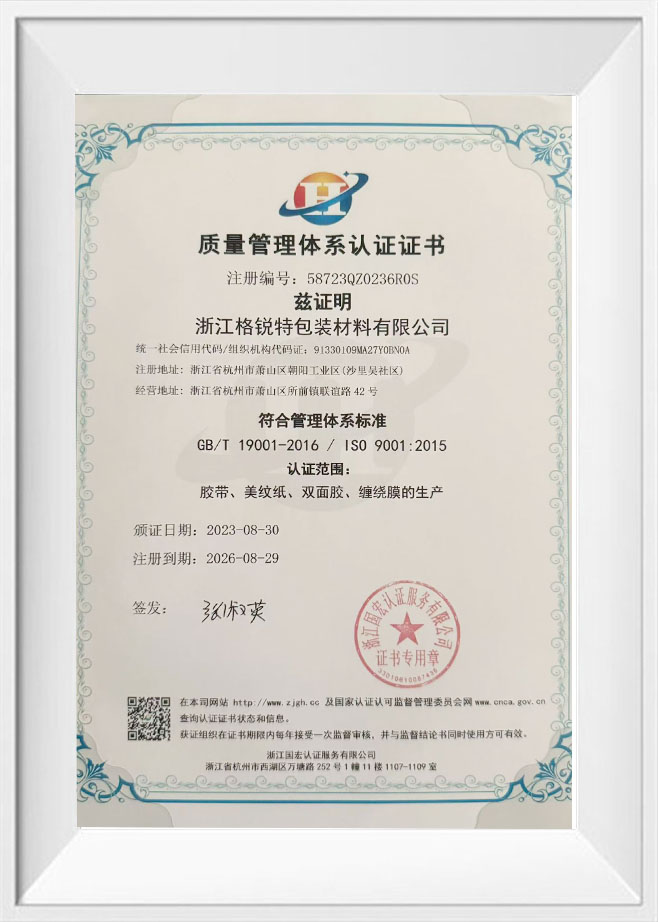 Quality Management System Certification Certificate
 -
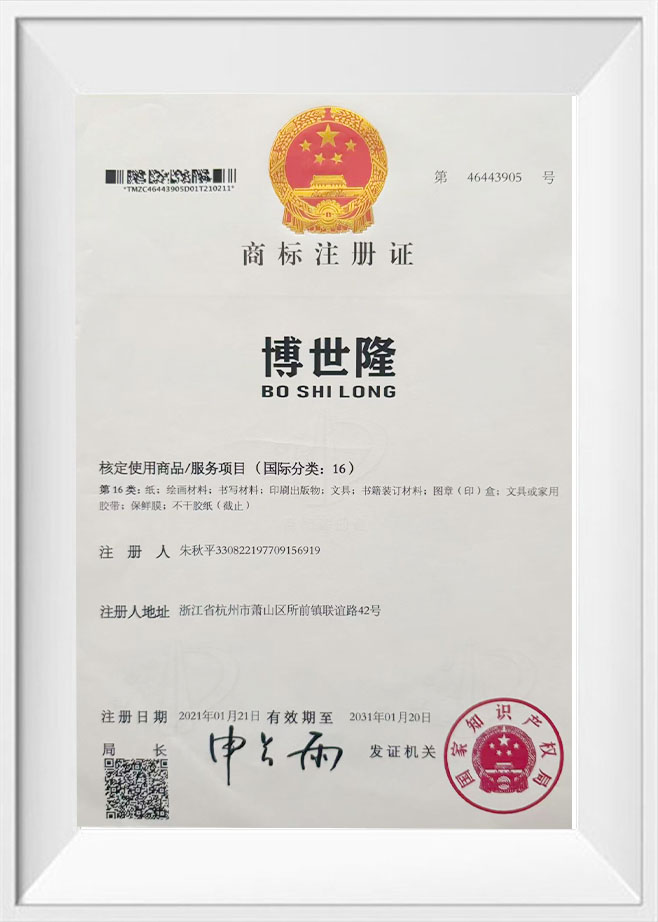 Trademark Registration Certificate
 -
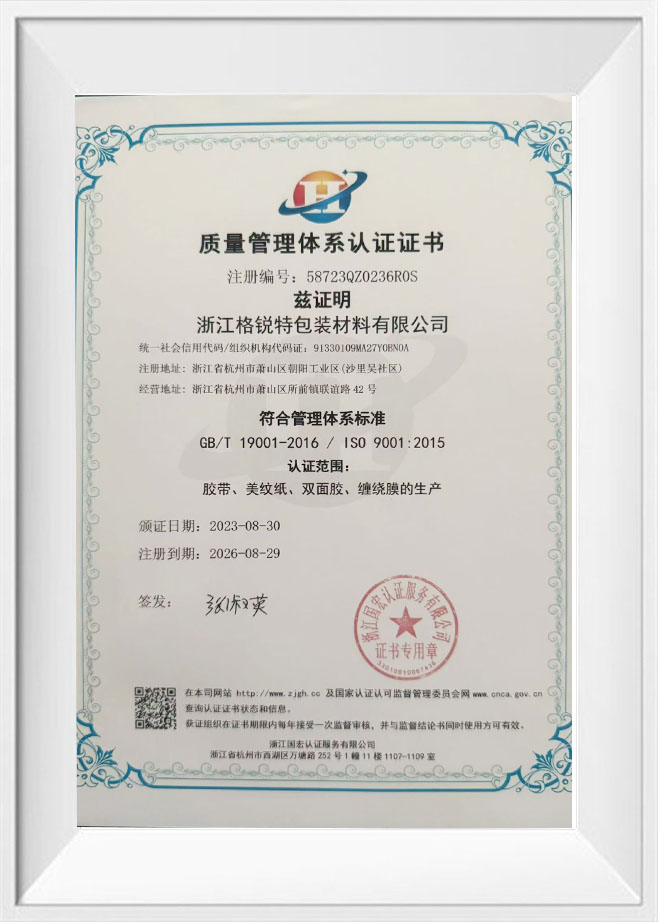 Quality Management System Certification Certificate
News
-
Company News 2026-03-31
Zhejiang Geruite Packaging Materials Co., Ltd., a leading packaging solution provider based in Zhejiang Province, has successfully shipped nine containers of transparent stretch film to Los Angeles. This export marks another milestone in the company's conti...
View More -
Industry News 2026-03-25
What Is Kraft Paper Tape and Why Does It Matter for Packaging? Kraft paper tape is a paper-based adhesive tape made from kraft pulp — a wood pulp processed through the kraft chemical method that produces strong, tear-resistant fibers. Unlike plastic-based tap...
View More -
Industry News 2026-03-25
What Painters Tape Actually Does — and Where Most Users Choose Wrong Painters tape is a pressure-sensitive masking tape engineered to protect surfaces during painting, finishing, and surface preparation. Its defining characteristic is clean removal without ad...
View More
Contact us now
Mylar Tape Industry Knowledge Extension
Mastering Industrial Adhesion: The Definitive Guide to Mylar Tape Solutions
In the world of industrial packaging and specialized manufacturing, the smallest component can have the largest impact on efficiency, safety, and product integrity. When standard adhesive tapes fail under pressure, heat, or chemical exposure, professionals turn to engineered solutions. At Zhejiang Geruite Packaging Materials Co., Ltd., we have spent years refining the science of adhesion, operating from one of China’s most dynamic manufacturing hubs to deliver precision-engineered materials. Among our portfolio, blue mylar tape, mylar packaging tape, and mylar adhesive tape stand out as critical assets for industries ranging from electronics to logistics. This guide will explore the technical nuances of these materials, demonstrating why they are indispensable for professionals who demand reliability.
The Foundation: Understanding Mylar as an Engineering Substrate
Before delving into specific applications, it is essential to understand the substrate that gives these tapes their legendary durability. Mylar, the trade name for biaxially-oriented polyethylene terephthalate (BoPET), is a polyester film known for its exceptional tensile strength, chemical stability, and electrical insulation properties. Unlike common vinyl or paper tapes, Mylar maintains its structural integrity across a wide thermal range. This makes it the preferred choice for applications where a standard adhesive would degrade or fail. The manufacturing process involves stretching the PET film in two directions, aligning the polymer chains to create a material that resists tearing, stretching, and moisture absorption.
- Thermal Stability: Mylar typically operates between -70°C and +150°C, making it suitable for high-heat masking and low-temperature storage.
- Dielectric Strength: It offers superior insulation, crucial for electronic components and coil winding.
- Chemical Resistance: The film resists oils, solvents, and acids, ensuring the adhesive bond remains intact in harsh environments.
- Thin yet Strong: Compared to other films, Mylar provides high tensile strength without adding bulk, ideal for tight tolerance applications.
Deep Dive: Blue Mylar Tape in Precision Manufacturing
While Mylar tapes come in various colors, the blue variant has become an industry standard for specific high-stakes applications. blue mylar tape is most commonly associated with electronics manufacturing and aerospace assembly. The blue coloration is not merely aesthetic; it serves a functional purpose by providing high visual contrast against metallic and PCB surfaces, ensuring that operators can easily detect the tape's placement and removal. This tape is engineered to leave zero residue after high-temperature exposure, a critical requirement for protecting gold fingers on circuit boards during wave soldering processes.
Key Applications and Performance Metrics
When selecting blue mylar tape for production lines, professionals evaluate two primary metrics: adhesion to stainless steel (measured in oz/in) and temperature resistance. A high-quality grade will maintain its bond through lead-free soldering cycles (up to 260°C) without flagging or melting. The following table outlines the comparative performance standards between standard polyimide tape (often brown) and premium blue Mylar tape for PCB protection.
| Feature | Standard Polyimide Tape | Premium Blue Mylar Tape |
|---|---|---|
| Temperature Resistance | Up to 260°C (Continuous) | Up to 220°C (Peak), 150°C (Continuous) |
| Residue After Removal | Low to None | None (Specially formulated silicone adhesive) |
| Primary Use Case | High-heat masking, coil insulation | Selective soldering, gold finger masking |
| Adhesive Type | Silicone | Silicone or Acrylic (High-temp specific) |
For manufacturers running SMT (Surface-Mount Technology) lines, the use of certified blue mylar tape reduces the risk of solder bridging on delicate connectors. The tape’s conformability allows it to adhere tightly to uneven surfaces, creating a clean barrier that results in higher first-pass yields and lower rework costs.
Logistics and Storage: The Role of Mylar Packaging Tape
Moving from the factory floor to the warehouse, the requirements shift from heat resistance to sealing integrity and environmental protection. mylar packaging tape offers a superior alternative to traditional polypropylene (BOPP) or water-activated kraft tapes for specific logistical challenges. While BOPP tape is suitable for standard carton sealing, Mylar packaging tape is utilized when the seal must withstand extreme humidity, cold chain logistics, or when a tamper-evident solution is required. The polyester backing does not dry out or crack over time, ensuring that heavy or high-value shipments remain secure during long-term storage.
Why Upgrade from Standard Sealing Tapes?
Logistics managers facing high rates of carton failure during transit often find that the root cause is adhesive failure due to dust contamination or temperature fluctuations. mylar packaging tape utilizes a high-tack rubber-resin or acrylic adhesive system that bonds aggressively to corrugated cardboard, recycled materials, and even plastic surfaces. Unlike standard BOPP, the Mylar backing offers a higher "hold power" or shear strength, meaning the tape resists creeping and popping open under heavy load shifts.
- Tamper Evidence: Due to its high tensile strength, Mylar tape tears irregularly or delaminates if removal is attempted, providing clear visual evidence of tampering.
- Moisture Barrier: The polyester film acts as a superior moisture barrier, protecting the seal integrity in refrigerated or humid environments.
- Reinforcement: It can be used as a strapping alternative for bundling heavy pipes or reinforcing the corners of export cartons.
Versatility: The Broad Utility of Mylar Adhesive Tape
Beyond the specific niches of PCB masking and heavy-duty packaging, mylar adhesive tape serves as a general-purpose industrial solution for splicing, fixing, and insulation. This category encompasses a range of thicknesses (from 1 mil to 5 mil) and adhesive formulations to suit specific substrates. In the manufacturing of lithium-ion batteries, for instance, thin-grade Mylar adhesive tape is used for electrode tab insulation and cell wrapping due to its excellent dielectric strength and thin profile that saves critical space within the battery housing.
Selecting the Right Adhesive Chemistry
The performance of mylar adhesive tape is defined by the synergy between the BoPET backing and the adhesive formulation. Choosing the wrong adhesive for the substrate can result in adhesive transfer (oozing) or failure to bond. Below is a comparison of the three primary adhesive types used in Mylar tapes to help you match the product to your application.
| Adhesive Type | Best For | Limitations |
|---|---|---|
| Silicone | High-temperature masking (powder coating, soldering), silicone rubber surfaces. | Lower shear strength; higher cost; difficult to print on. |
| Acrylic | UV resistance, long-term outdoor durability, clear transparency for graphic overlays. | Lower initial tack; requires higher pressure to bond. |
| Rubber-Resin | High immediate tack, packaging sealing, splicing paper/film rolls. | Poor UV resistance; may yellow or harden over time. |
At Zhejiang Geruite Packaging Materials Co., Ltd., our technical team emphasizes the importance of "total system performance." By controlling the manufacturing process from raw polyester film sourcing to adhesive formulation, we ensure that our mylar adhesive tape delivers consistent unwind tension, die-cut ability, and conversion efficiency for automated application machinery.
FAQ
Addressing the most common technical and application-based inquiries regarding Mylar-based adhesive solutions.
What is the maximum temperature blue mylar tape can withstand during powder coating?
While standard blue mylar tape is designed for electronics soldering, specific grades for powder coating are engineered to withstand temperatures between 200°C and 220°C (392°F to 428°F) for short durations, typically the curing cycle of 30 to 60 minutes. Unlike polyimide (Kapton) tape, which handles over 260°C, blue Mylar is preferred in powder coating because the blue backing provides a clear contrast against the substrate, ensuring complete removal after the cure cycle. However, it is critical to verify that the tape uses a silicone adhesive, as acrylic adhesives will cross-link under high heat, becoming extremely difficult to remove and leaving stubborn residue. For processes exceeding 220°C, we generally recommend transitioning to a polyimide-based solution.
Can Mylar packaging tape be used for cold storage or freezer applications?
Yes, mylar packaging tape is highly suitable for cold storage environments, often outperforming standard polypropylene tapes. The key factor is the adhesive formulation. Standard BOPP tapes often use acrylic adhesives that become brittle at temperatures below 0°C (32°F), leading to "pop-opens" where the tape loses adhesion and the carton seal fails. Mylar tape, when combined with a synthetic rubber-resin adhesive, maintains its flexibility and "tack" down to -20°C (-4°F) or lower. The polyester backing resists the embrittlement that affects vinyl or polypropylene films in freezing conditions, ensuring the seal remains intact throughout the cold chain logistics process, from warehouse to retail display.
How do I remove adhesive residue left by mylar adhesive tape after long-term application?
One of the primary advantages of high-quality mylar adhesive tape is clean removability; however, if residue occurs (often due to UV exposure or excessive heat aging), the removal process depends on the adhesive type. For silicone-based residues, mechanical removal using a rubber eraser wheel or a silicone-based solvent is most effective, as silicone is notoriously difficult to dissolve with standard hydrocarbon solvents. For rubber or acrylic residues, isopropyl alcohol (IPA) or a citrus-based cleaner like d-limonene is usually effective. It is crucial to avoid abrasive tools that might scratch the underlying substrate, especially on painted surfaces or polished metals. When sourcing tape for applications where residue is unacceptable, we recommend specifying a "clean release" or "non-contaminating" grade during procurement.
Is mylar adhesive tape electrically conductive or insulating?
Standard mylar adhesive tape is an excellent electrical insulator. The BoPET film has a high dielectric strength, typically ranging from 4,000 to 7,000 volts per mil (0.001 inch) of thickness. This makes it ideal for insulating transformer layers, covering exposed terminals, and securing wire harnesses. However, if the application requires grounding or static dissipation, it is important to note that standard Mylar is not conductive. For electrostatic discharge (ESD) sensitive environments, specialized "anti-static" Mylar tapes are available, which incorporate a conductive layer or coating to safely dissipate static charges, preventing damage to sensitive electronic components during handling and masking.
What is the shelf life of Mylar packaging tape, and how should it be stored?
When stored under optimal conditions—specifically in a cool, dry environment away from direct sunlight, ozone, and heat sources—high-quality mylar packaging tape typically maintains a shelf life of 18 to 24 months from the date of manufacture. Ideal storage conditions are between 60°F and 80°F (15°C to 27°C) with 40% to 60% relative humidity. Exposure to high humidity can cause the adhesive to absorb moisture, leading to "oozing" (adhesive squeeze-out) at the roll edges. Conversely, exposure to extreme heat can accelerate the cross-linking of the adhesive, resulting in reduced tack and difficulty unwinding. To maximize shelf life, rolls should be stored in their original packaging until use, laid horizontally rather than stacked vertically to prevent edge deformation.
CONTACT DETAILS
- Address:No. 241, Yaojiafan, Zhangpanqiao, Shushan Street, Xiaoshan District, Hangzhou City, Zhejiang Province, China
- TEL:+86-0571-83175630
- Phone:+86-13336160217
- Email:[email protected]
PRODUCTS
NEWS CENTER
MOBILE TERMINAL
Copyright© Zhejiang Geruite Packaging Materials Co., Ltd. All Rights Reserved.
Custom blue mylar tape