-
 +86-0571-83175630
-
 [email protected]

 English
  Español
  عربى
عربى 
How to Choose the Right BOPP Tape for Your Packaging Needs?
Content
In modern logistics, packaging, and industrial production, adhesive tape is almost everywhere. Among the various types of tape, BOPP Tape stands out due to its excellent performance and wide range of applications. BOPP Tape, short for Biaxially Oriented Polypropylene Tape, is made of polypropylene film combined with pressure-sensitive adhesive. Its durability, high transparency, and adaptability to different environments have made it the preferred choice for enterprises and individuals for packaging, securing, and industrial purposes. This article provides a comprehensive overview of BOPP Tape, including its characteristics, applications, types, performance, and selection guide, helping readers understand this important material systematically.
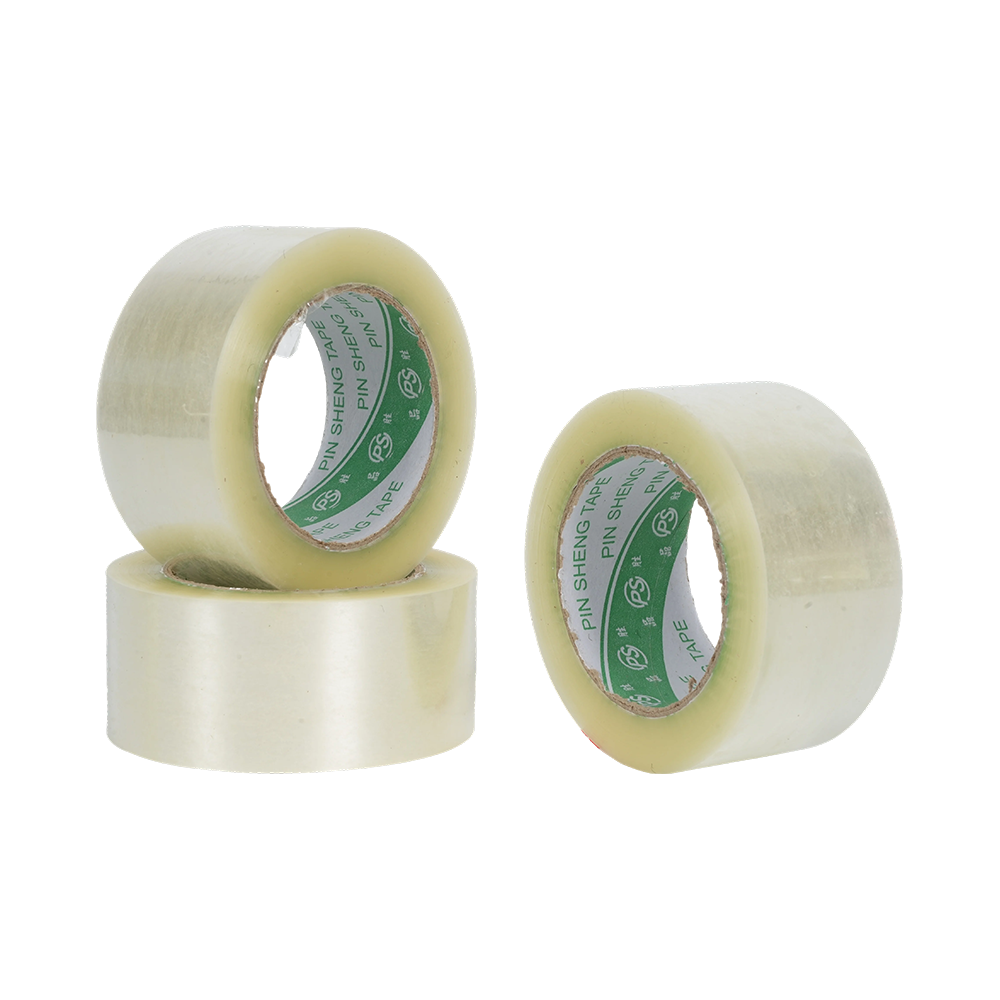
1. Basic Concept of BOPP Tape
The core material of BOPP Tape is polypropylene film, processed through biaxial orientation to provide high strength and elasticity in both longitudinal and transverse directions. Compared to traditional paper tape or PVC tape, BOPP Tape is more durable, resistant to breakage, and offers excellent adhesion and transparency, making it widely used in packaging and industrial sectors.
The pressure-sensitive adhesive of BOPP Tape is typically either natural rubber or synthetic adhesive. Natural rubber provides strong initial tack, suitable for fast sealing, while synthetic adhesive maintains stability in high or low temperatures, ideal for long-term storage and transport. The combination of these materials and processes ensures that BOPP Tape adheres effectively without leaving residue or causing secondary damage to the packaged items.
Compared with other tapes, BOPP Tape has distinct advantages. Paper tape, though eco-friendly, has limited strength and water resistance. PVC tape, while strong, lacks transparency and is more expensive. BOPP Tape balances cost, durability, and appearance, making it widely adopted globally.
2. Main Applications of BOPP Tape
BOPP Tape has extensive applications, especially in packaging and logistics. It is not only used for simple box sealing but also serves multiple functions in industrial and daily use.
In the packaging industry, Packaging Tape is the most common application of BOPP Tape. Whether for courier parcels, carton sealing, or warehouse logistics, BOPP Tape provides reliable adhesion. Compared to other tapes, it does not easily loosen or fall off during long-distance transport, ensuring that products reach customers intact.
Additionally, BOPP Tape has wide applications in the industrial sector. In industrial packaging and production lines, many materials need temporary securing or labeling. Thanks to its stable adhesive and strength, BOPP Tape is an ideal solution. For instance, in electronic product manufacturing, temporarily securing cables or components with BOPP Tape ensures neat and efficient operation. Industrial Tape Uses extend beyond packaging to dustproofing, moisture resistance, and shock protection, reflecting its versatility in industrial production.
In daily life, BOPP Tape is also practical. From household packing to organizing school or office supplies, it can be useful. Its transparency allows users to see the contents of boxes clearly, reducing the need to open and check repeatedly. This multi-functionality makes BOPP Tape not only an industrial essential but also a convenient tool for everyday use.
3. Types and Performance of BOPP Tape
3.1 Classification by Thickness and Width
BOPP Tape commonly ranges in thickness from 30 to 60 microns, with standard widths of 48 mm or 72 mm. Thinner tape is suitable for lightweight packaging and temporary securing, while thicker tape is ideal for heavy-duty sealing and industrial applications. Width selection depends on box size and operational preference; wider tape covers more surface area and increases adhesion, improving overall sealing strength.
3.2 Classification by Adhesive Type
The pressure-sensitive adhesive in BOPP Tape mainly consists of natural rubber and synthetic adhesives, each suitable for different conditions. Natural rubber provides strong initial tack, ideal for fast sealing, whereas synthetic adhesive performs better under extreme temperatures or long-term storage. This classification not only reflects performance differences but also provides tailored solutions for various scenarios.
3.3 Classification by Color and Printing
Besides transparent options, BOPP Tape comes in brown, white, or printed with logos. Transparent tape meets most everyday packaging needs. Brown tape is widely used in warehouse logistics for neat and professional appearance. Printed tape serves branding and anti-counterfeiting purposes, enhancing identification and security during transport.
3.4 Strength and Durability
Evaluating tape performance often involves Tape Strength. BOPP Tape has excellent tensile and peel strength, able to withstand significant weight and force without breaking. It also adapts well to humidity and temperature changes, maintaining adhesion even in damp or hot environments. This stability not only ensures packaging security but also reduces additional costs caused by tape failure.
4. Environmental Considerations and Trends
With the rise of environmental awareness and regulatory pressure, BOPP Tape is moving toward eco-friendliness. Traditional BOPP Tape is petroleum-based and non-degradable, while modern Eco-friendly Tape uses recyclable or biodegradable materials, or reduces adhesive usage to minimize environmental impact. This trend aligns with corporate sustainability goals.
Many logistics companies and manufacturers have started adopting eco-friendly BOPP Tape to meet green packaging requirements. Such tape maintains performance while being recyclable or biodegradable, reducing environmental burden. As regulations tighten and consumer eco-consciousness rises, eco-friendly BOPP Tape adoption is expected to accelerate.
Production technology is also improving. Enhanced film stretching and adhesive formulas reduce material consumption, improve tape performance, and extend lifespan, minimizing waste. This technological advancement allows BOPP Tape to maintain market competitiveness while promoting environmental sustainability.
5. BOPP Tape Selection Guide
Selecting the right BOPP Tape is crucial for packaging effectiveness and smooth industrial operations. Although there are many varieties, selection can be based on material, thickness, adhesion, and intended use to ensure optimal performance in different scenarios.
Material is the foundation. While all BOPP Tape uses polypropylene film, manufacturing processes differ. Optimized film stretching improves tensile strength and durability. For long-distance transport or heavy boxes, thicker tape with better film quality reduces the risk of breakage. Adhesive type should match the environment: natural rubber for fast sealing and synthetic adhesive for temperature-sensitive or long-term storage conditions.
Thickness and width directly affect usability. Thin tape is sufficient for lightweight items, while thick tape supports heavy objects. Standard widths of 48 mm and 72 mm offer a balance between efficiency and strength. Wider tape increases adhesion but may require more effort to handle, so trade-offs should be considered.
Performance metrics such as Tape Strength are also critical. High tensile strength ensures the tape can hold weight without breaking, while moderate peel strength protects the surface. In industrial settings, high-strength tape improves operational efficiency and reduces risk of failure.
For environmentally conscious users, Eco-friendly Tape is an important factor. It balances performance and sustainability, meeting green packaging policies and demonstrating corporate responsibility.
Practical considerations include specific scenarios. Logistics operations require fast, durable tape, while electronics manufacturing prioritizes precision and residue-free adhesion. Industrial Tape Uses highlight the need for tape meeting specific strength, temperature, or chemical resistance requirements to ensure smooth operations.
6. BOPP Tape Usage Recommendations
Proper use of BOPP Tape maximizes performance, extends lifespan, and prevents packaging or industrial issues.
6.1 Surface Preparation
Ensure the surface is clean, dry, and free of dust or oil before applying BOPP Tape. Dirt or grease can reduce adhesion and cause tape to loosen.
6.2 Temperature Considerations
BOPP Tape loses tack at low temperatures and may soften at high temperatures. Choose the appropriate type for extreme conditions to maintain Tape Strength.
6.3 Even Pressure
Apply tape evenly to ensure full contact with the surface. For box sealing, even pressure increases adhesion and prevents loosening from uneven stress.
6.4 Avoid Excessive Pulling
Though elastic, repeated stretching or folding can reduce performance. Overstretching in industrial use can compromise Industrial Tape Uses effectiveness.
6.5 Storage
Store unused tape in a cool, dry place away from sunlight and humidity to prevent adhesive aging and film deformation, maintaining optimal tack and strength.
6.6 Application Tips
Combine BOPP Tape with other packaging materials for best results. For heavy boxes, use padding before sealing to improve stability and save tape. For labeling, printed BOPP Tape secures items and provides clear information.
7. Industry Development Trends
As logistics and industrial production demand efficiency, environmental responsibility, and safety, BOPP Tape is evolving in several ways:
High-performance: Higher tensile strength, adhesion, and temperature/humidity resistance are being developed. New adhesive formulas and improved film processes enhance durability for long-distance transport and industrial operations.
Eco-friendliness: Eco-friendly Tape market demand is growing. Recyclable and biodegradable BOPP Tape meets corporate green packaging needs and consumer preferences, promoting sustainable development.
Customization: Increasingly, printed BOPP Tape is used for branding and anti-counterfeiting. Custom tape enhances recognition and marketing during logistics operations.
Technological Integration: Automation in production lines enables precise cutting, application, and monitoring. Tracking tape usage and performance optimizes inventory and workflow, supporting intelligent operations.
8. Conclusion
As an indispensable material in modern packaging and industrial production, BOPP Tape stands out for its high strength, durability, transparency, and versatility. Through this comprehensive guide, covering concept, applications, types, performance, environmental trends, selection, and usage recommendations, we can see:
- BOPP Tape is a reliable Packaging Tape suitable for various sealing needs;
- Selecting the right Adhesive Tape Types ensures optimal performance in industrial and household applications;
- Monitoring Tape Strength guarantees stability in long-distance transport and heavy-duty sealing;
- Industrial Tape Uses highlight the importance of choosing tape according to environment and application;
- Growing awareness of Eco-friendly Tape is shaping environmentally responsible packaging choices.
In summary, the diversity, performance advantages, and environmental potential of BOPP Tape ensure its ongoing importance in packaging and industrial applications. Proper selection and usage maximize value, ensuring safe, efficient, and sustainable operations.
LATEST POST
Let’s create something amazing together
contact us

CONTACT DETAILS
- Address:No. 241, Yaojiafan, Zhangpanqiao, Shushan Street, Xiaoshan District, Hangzhou City, Zhejiang Province, China
- TEL:+86-0571-83175630
- Phone:+86-13336160217
- Email:[email protected]
- WeChat/WhatsApp:+86-18058115265
PRODUCTS
NEWS CENTER
MOBILE TERMINAL
Copyright© Zhejiang Geruite Packaging Materials Co., Ltd. All Rights Reserved.
Privacy Wholesale industrial packaging tape Manufacturers