-
 +86-0571-83175630
-
 [email protected]

 English
  Español
  عربى
عربى 
How to Choose the Right Adhesive Mylar Tape for Industrial Applications
Content
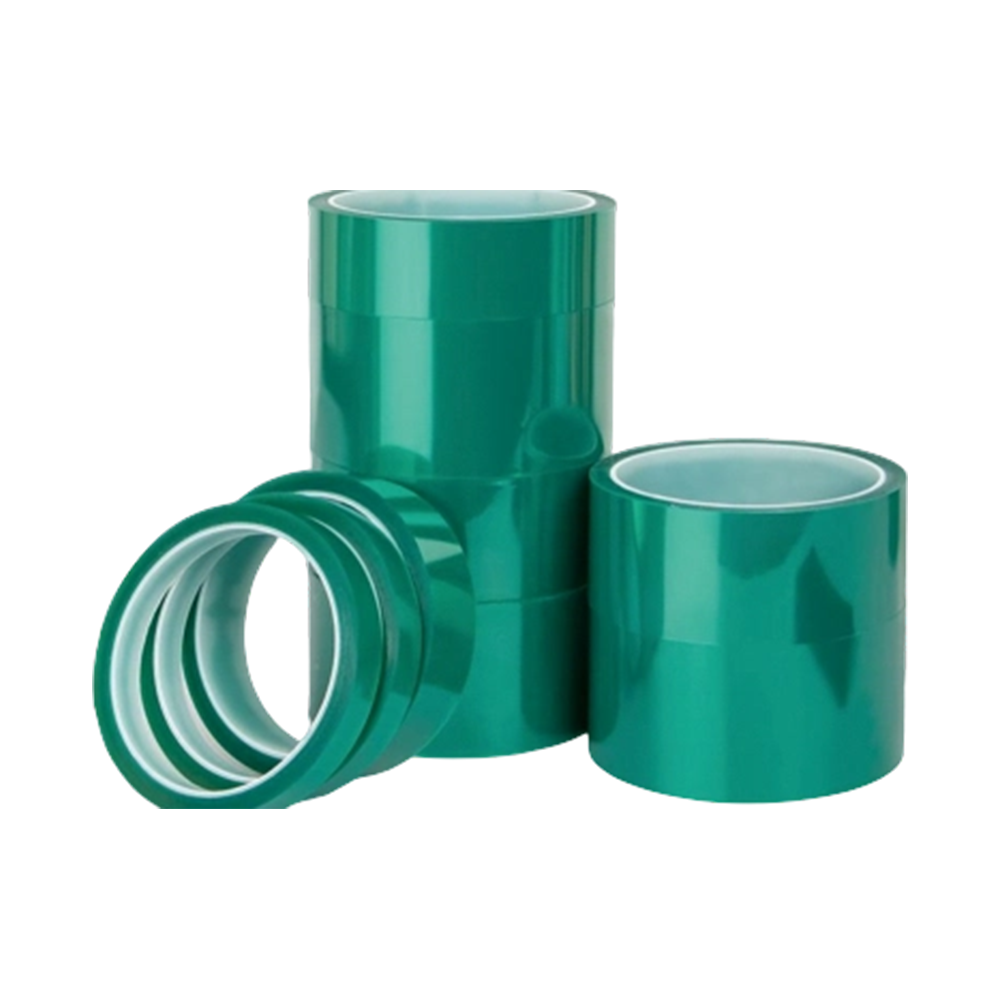
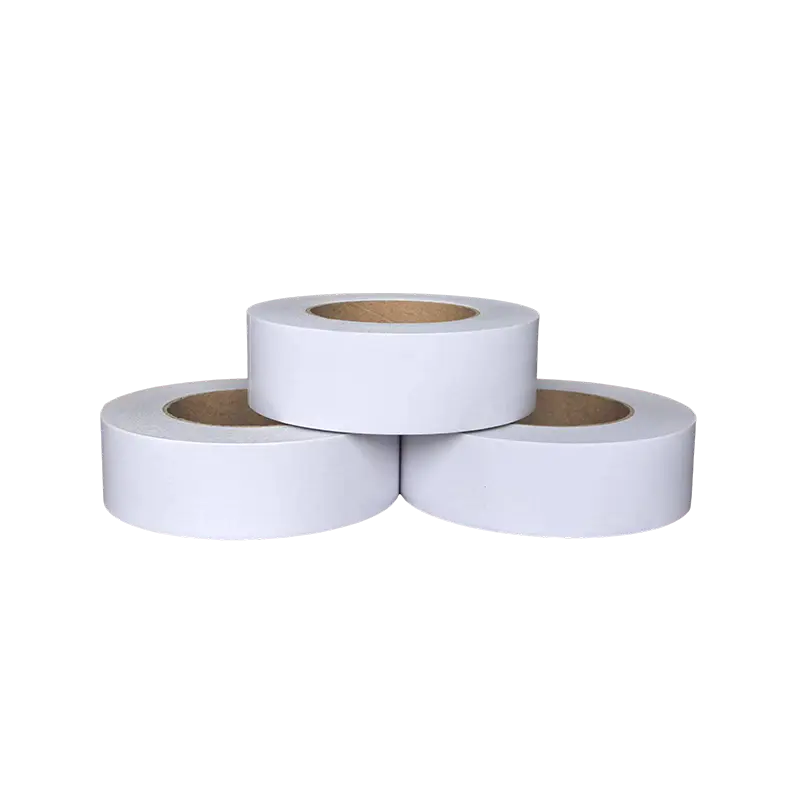
A short circuit inside a battery pack or motor winding rarely announces itself before it happens. Adhesive Mylar tape prevents that failure mode by putting a thin, dielectric PET film exactly where two conductive surfaces need to stay apart.
What the PET Film Layer Is Actually Doing
Mylar is polyester film, and its value here comes from high dielectric strength combined with dimensional stability under heat. The adhesive layer's only job is holding that film exactly where it needs to sit, whether that is wrapping a lithium cell, insulating a transformer winding, or backing a flexible circuit.
Where Insulation Failure Is Not an Option
Adhesive Mylar Tape Against General Adhesive Tape
| Property | Adhesive Mylar Tape | General Adhesive Tape |
| Dielectric strength | High, purpose-built for insulation | Not rated for insulation use |
| Temperature stability | Low shrinkage under heat | Can soften or deform |
| Chemical exposure | Resists oils and solvents | Limited resistance |
| Best fit | Electronics, batteries, motors | General packaging and fixing |
A dielectric strength figure means little without knowing the film thickness it was tested at. Always compare PET thickness alongside the dielectric rating, since thinner films naturally test lower even in an otherwise strong formulation.
Specifications to Confirm Before Ordering
PET film thickness and adhesive type together determine both insulation performance and how well the tape bonds to your specific surface, whether that is a battery cell wrap or a transformer winding. Dielectric strength and temperature rating should be checked against your actual operating conditions, not just the general product category, since battery and motor applications often run at very different temperature and voltage profiles.
Sourcing From a Capable Manufacturer
Coating uniformity and PET film quality are what separate a tape that insulates reliably for the life of a product from one that fails at a stress point. An experienced PET adhesive tape manufacturer should provide dielectric strength, temperature resistance, and aging test data, along with custom thickness, width, and die-cut options for your application.
Frequently Asked Questions
Is adhesive Mylar tape conductive or insulating?
Standard adhesive Mylar tape is an electrical insulator, though conductive variants exist for specific EMI shielding or grounding applications and should be selected separately.
Can Mylar tape withstand soldering temperatures?
High-temperature Mylar tape formulations are designed to tolerate short exposure to elevated temperatures, but the specific rating should be checked against your process temperature and dwell time.
Is Mylar tape suitable for lithium battery packs?
Yes, it is commonly used for lithium battery cell and module insulation because of its dielectric strength and dimensional stability under the heat generated during charging and discharging.
What is the difference between single-sided and double-sided Mylar tape?
Single-sided tape bonds one surface while leaving the film exposed for insulation or labeling, while double-sided tape is used to bond two surfaces together, such as laminating components or securing internal layers.
 |
 |
LATEST POST
Let’s create something amazing together
contact us
CONTACT DETAILS
- Address:No. 241, Yaojiafan, Zhangpanqiao, Shushan Street, Xiaoshan District, Hangzhou City, Zhejiang Province, China
- TEL:+86-0571-83175630
- Phone:+86-13336160217
- Email:[email protected]
- WeChat/WhatsApp:+86-18058115265
PRODUCTS
NEWS CENTER
MOBILE TERMINAL
Copyright© Zhejiang Geruite Packaging Materials Co., Ltd. All Rights Reserved.
Privacy Wholesale industrial packaging tape Manufacturers