-
 +86-0571-83175630
-
 [email protected]

 English
  Español
  عربى
عربى 
Butyl Tape Temperature Range: Service Limits, Application Rules and Alternatives
Content
- 1 The Butyl Tape Temperature Range: What the Datasheet Numbers Mean
- 2 Service Temperature vs. Application Temperature: The Distinction That Prevents Failures
- 3 What Happens Outside the Butyl Tape Temperature Range?
- 4 Butyl Tape Temperature Range vs. Other Tape Types at a Glance
- 5 Which Tape Should You Use Above 100°C?
- 6 How to Apply and Store Butyl Tape So the Range Holds
- 7 FAQ: Butyl Tape Temperature Limits
The figures below reflect typical supplier datasheets for packaging and industrial-grade butyl sealant tapes. Your supplier's technical datasheet always takes precedence over any general guide.
The Butyl Tape Temperature Range: What the Datasheet Numbers Mean
A quality butyl tape handles continuous service from about -40°C to 90°C, tolerates short peaks up to roughly 110°C, and must be applied between +5°C and +35°C. All three windows trace back to the same source: polyisobutylene, the synthetic rubber the tape is built on.
The raw polymer is more capable than the tape. Butyl rubber is commonly cited from -40°C up to about +140°C in gasket and sheet form, but tape formulations dilute that ceiling with fillers and oils to reach the right tack and body, which is why a compounded tape usually tops out near 90°C in continuous service. Expect 20°C to 30°C of variation between suppliers; filler content is the main lever a manufacturer can pull. Ultraviolet and ozone resistance are genuine strengths of the polymer. Resistance to oils, fuels and solvents is not. Read the technical datasheet for the continuous figure and the short-term peak separately, because they are rarely the same number.
Service Temperature vs. Application Temperature: The Distinction That Prevents Failures
The numbers that decide whether a joint succeeds on install day are not the service limits. They are the application window of +5°C to +35°C, with 15°C to 25°C as the comfortable zone. Confusing the two is the single most common cause of butyl failures in the field.
Service temperature, after installation
- -40°C to 90°C continuous once the tape is compressed and bonded
- Short peaks to about 110°C tolerated by better grades
- The non-curing body keeps absorbing small joint movement
- UV and ozone exposure cause little degradation over years
Application temperature, on install day
- Below +5°C the mastic stiffens and will not wet the surface
- Above +35°C it turns too soft and slumps before pressure is applied
- Frost or condensation on the substrate blocks adhesion completely
- Ideal working zone: 15°C to 25°C, tape and surface alike
What Happens Outside the Butyl Tape Temperature Range?
Cold turns butyl rigid until it cracks at points of movement. Heat softens it until it slumps, bleeds and slowly loses its seal under load. Because polyisobutylene is amorphous, nothing melts suddenly; performance decays gradually past each limit, which is exactly why the damage often goes unnoticed until the leak appears.
Below -40°C: brittle joints and weak bonds
- The mastic approaches glassy stiffness and can crack where panels flex or vibrate
- Wet-out drops sharply, so adhesion on cold, poorly prepared surfaces is weak from day one
- Repeated thermal cycling opens micro-gaps at the bond line that grow into leak paths
Above 100°C: slump, bleed and compression set
- The tape softens and slumps on vertical or overhead joints under gravity
- Oils in the compound bleed at overlaps, staining and weakening neighbouring materials
- Sustained load at temperature causes compression set, so the joint loses thickness and sealing pressure
Butyl Tape Temperature Range vs. Other Tape Types at a Glance
In a temperature-sorted tape lineup, butyl sits at the dependable low end: unmatched flexibility from deep cold up to about 90°C, with foil-backed, PET and polyimide tapes taking over above that line.
Each step up the chart buys heat at the cost of conformability. Aluminum foil tape is the natural first upgrade: the metal facing carries heat away and the construction resists about 120°C continuously, which covers most heating, ventilation and air conditioning (HVAC) duct, pipe-wrap and reflective sealing work. For a practical selection checklist, see our aluminium foil adhesive tape buying guide. Polyethylene terephthalate (PET) film tapes push to roughly 150°C for insulation and masking, and polyimide (PI) film works at 260°C around solder lines.
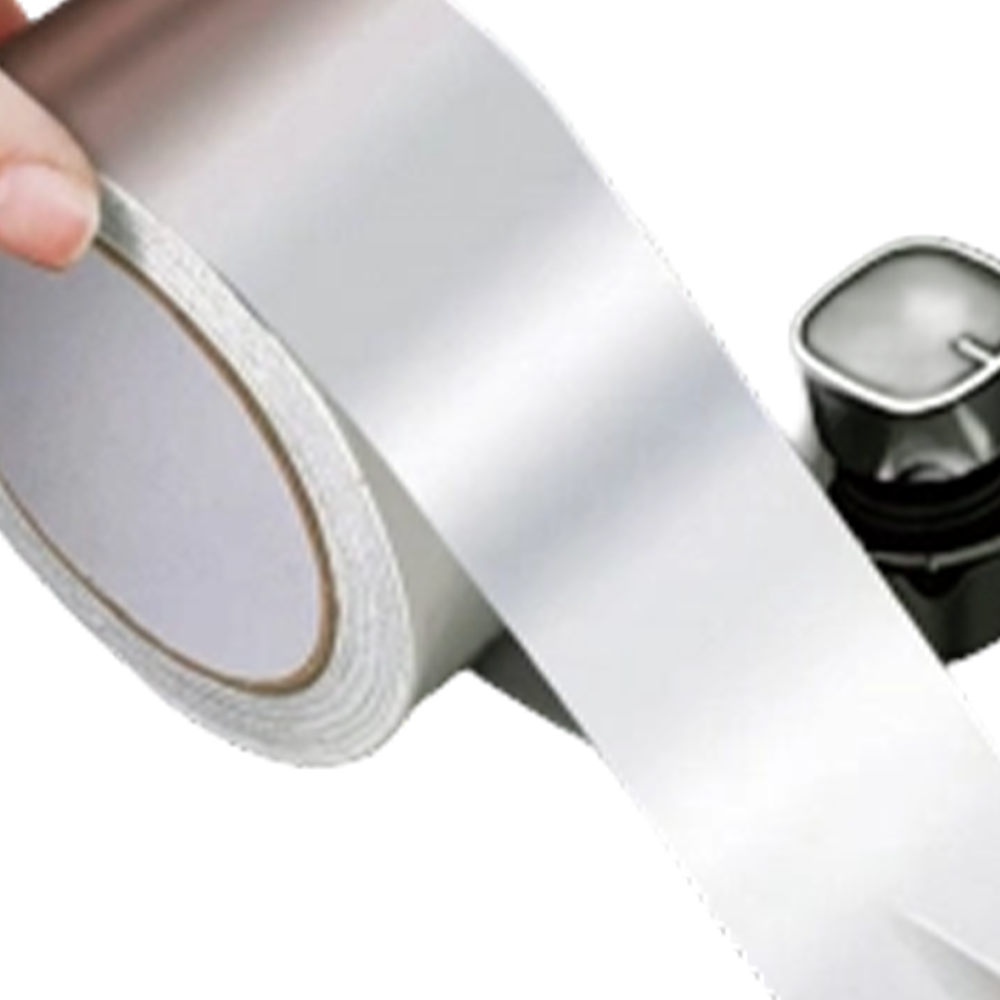 Aluminum Foil Adhesive Tape for HVAC and Pipe SealingAluminum foil tape with a metal facing that resists about 120°C continuous heat, making it the natural first upgrade from mastic sealants for HVAC duct sealing, pipe wrapping and reflective work.View Product →
Which Tape Should You Use Above 100°C?
Above the 100°C mark, move from mastic sealants to film- and foil-backed tapes, and match the backing to the job. Our heat-resistant materials range groups the usual candidates so buyers can compare ceilings, adhesive systems and backings side by side.
| Tape type | Continuous ceiling | Typical floor | Best fit |
| Aluminum foil adhesive tape | about 120°C | about -30°C | HVAC ducts, pipe wrap, reflective sealing |
| High-temperature crepe masking tape | about 110°C, short cycles | about 0°C | Paint lines and powder-coat bake masking |
| PET high-temperature tape | about 150°C | about -20°C | Motor and transformer insulation, hot masking |
| Polyimide (PI) tape | about 260°C | about -60°C | Solder masking and electronics protection |
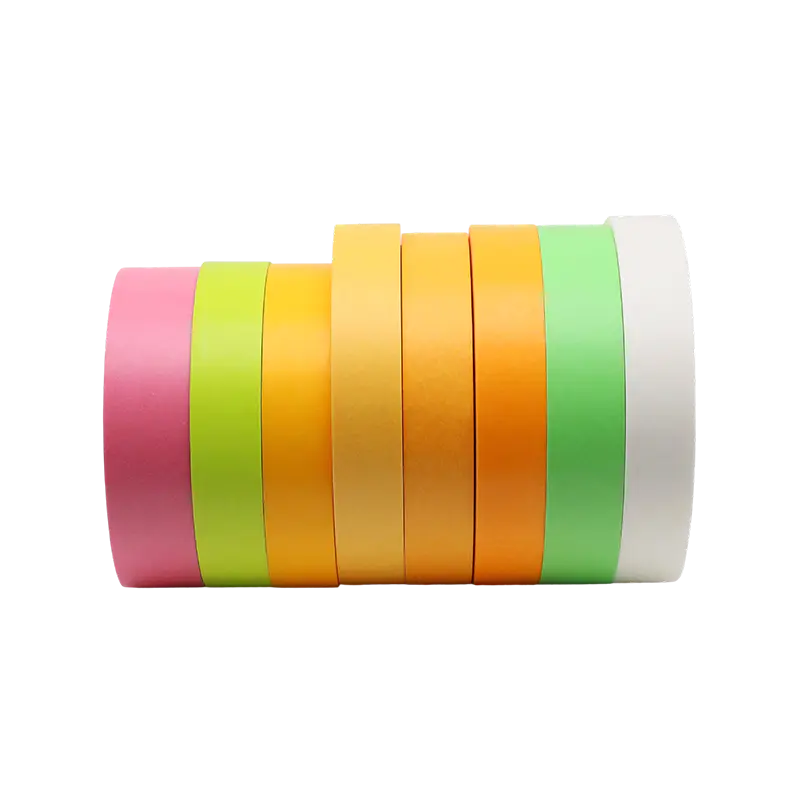
For paint and powder-coat lines, the deciding number is not only the ceiling but the cycle length. A crepe masking tape rated near 110°C survives a standard bake cycle yet fails in a kiln. Match the tape to the oven schedule, not to the peak temperature alone.
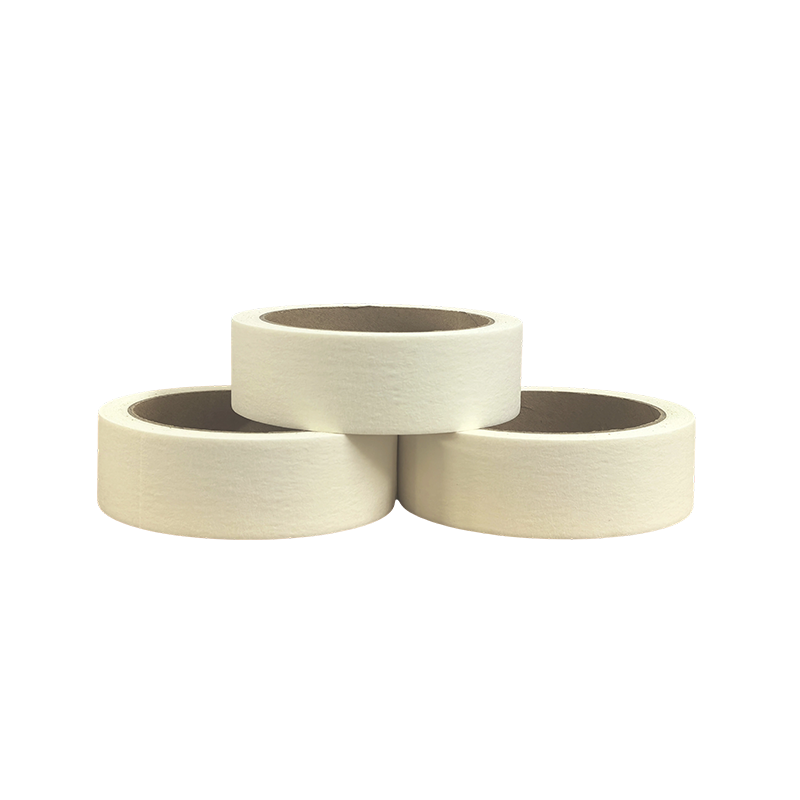
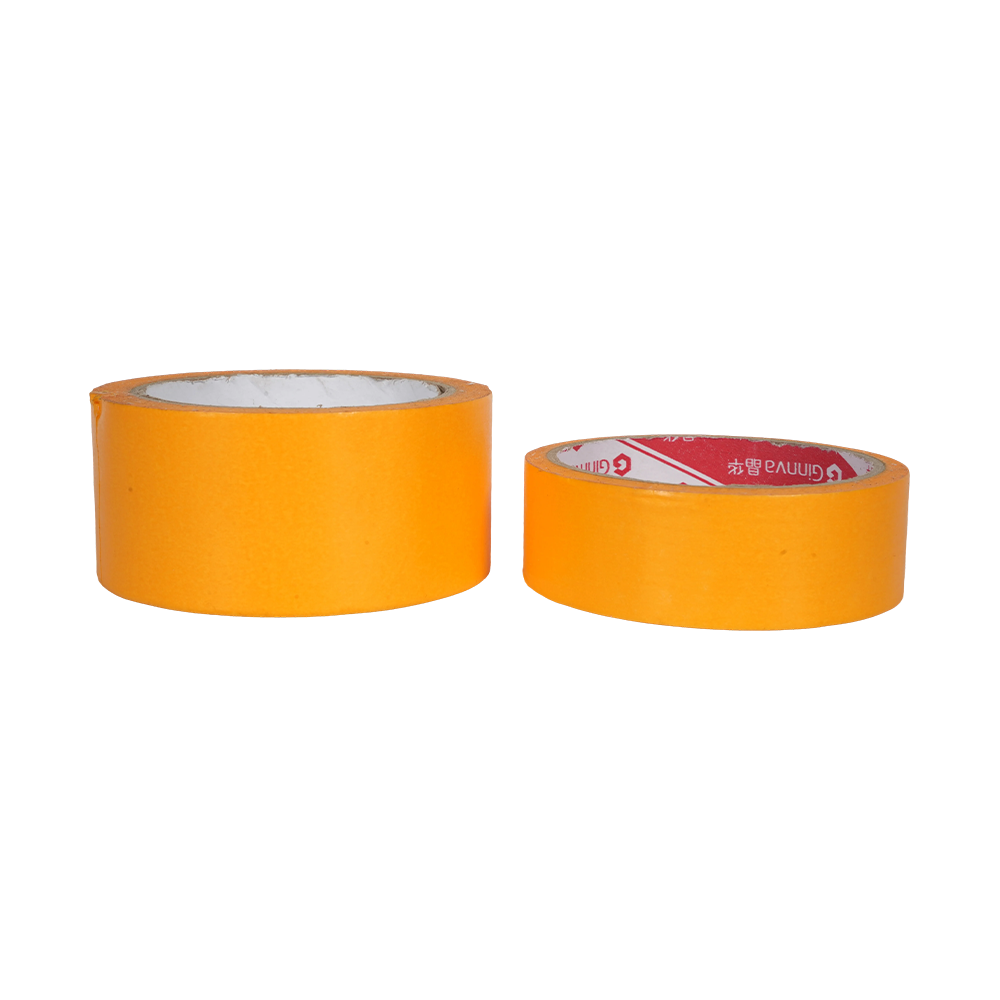 Crepe Paper High-Temperature Masking TapeSpecially treated crepe paper backing with acrylic adhesive, available in 0.14mm thickness and 5-500mm widths. Suited to paint and powder-coat lines when matched to the oven's bake cycle length.View Product →
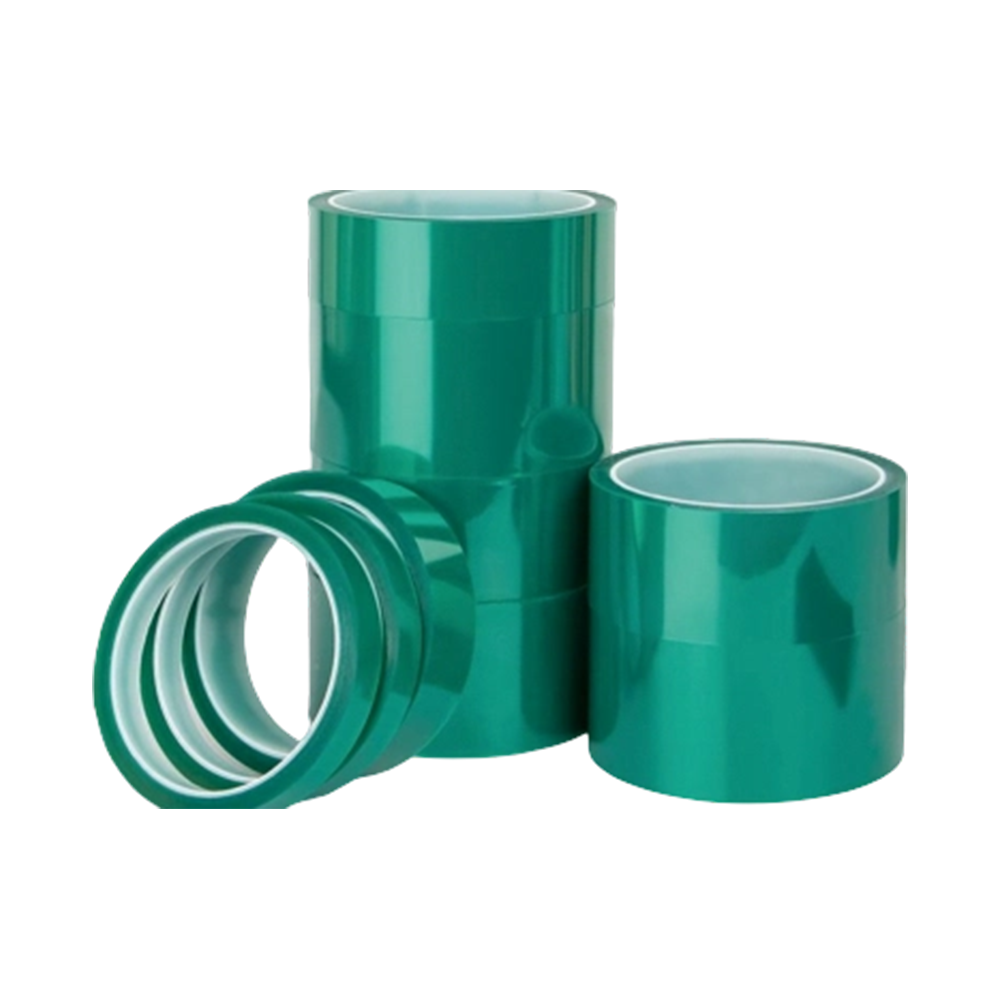
Electrical insulation work cares about dielectric strength as much as heat. At Zhejiang Geruite Packaging Materials Co., Ltd. we supply PET high-temperature tape for motor and transformer duty around 150°C, where any mastic product would bleed into the windings.
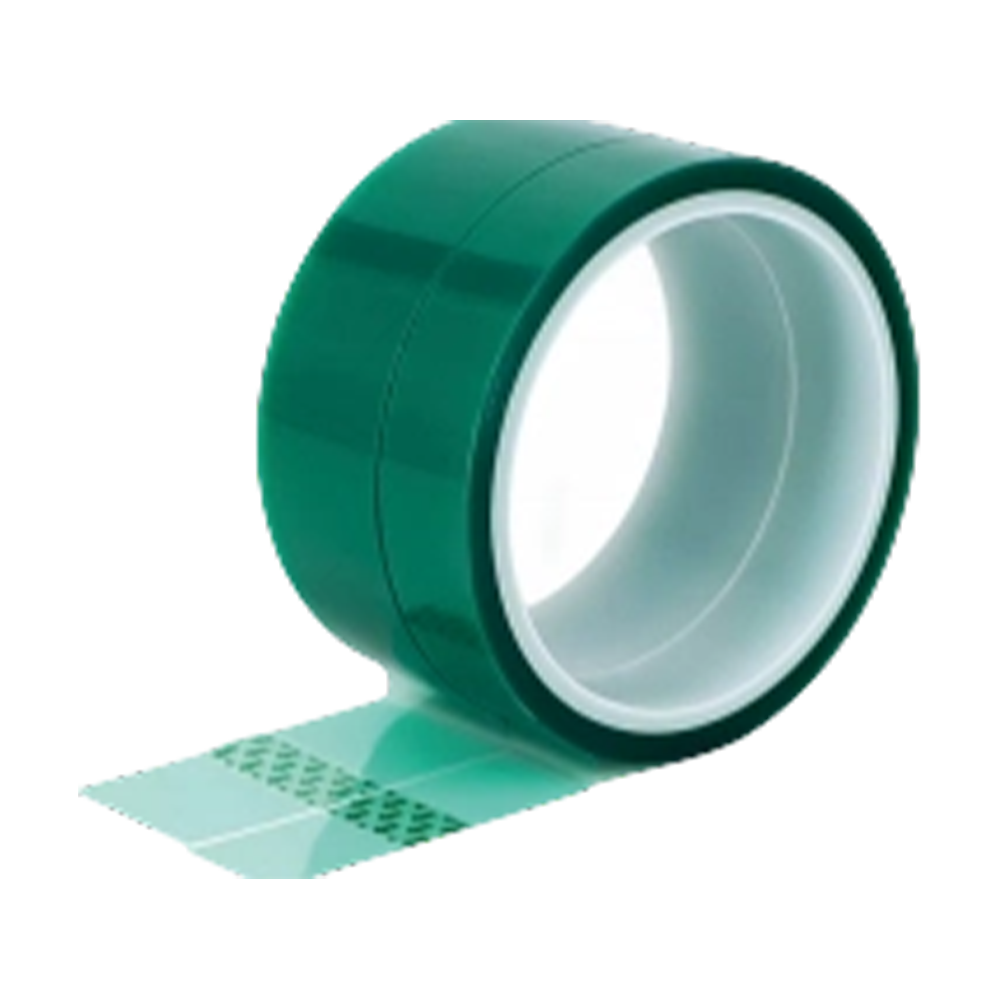 PET High-Temperature Tape for Electrical InsulationPET film tape rated around 150°C for motor and transformer insulation duty, chosen where dielectric strength matters as much as heat resistance and mastic products would bleed into windings.View Product →
When auditing any of these products, ask three questions: what is the continuous rating versus the peak rating, which adhesive system carries it, acrylic or silicone, and how much peel strength survives after heat ageing. Suppliers who answer with test data are worth their price.
How to Apply and Store Butyl Tape So the Range Holds
Most temperature failures are application failures. Five controllable steps keep a joint inside the published window, and they cost nothing but discipline.
- Condition the roll: store it at 15°C to 25°C for 12 to 24 hours before cold-weather work. Never stretch stiff mastic straight from an unheated van.
- Prepare the surface: remove dust, oil and frost completely. Butyl bonds by wetting, and a thin film of contamination defeats it.
- Apply inside the window: work between +5°C and +35°C, ideally 15°C to 25°C, with tape and substrate at similar temperatures.
- Press with real force: firm pressure wets the surface and closes gaps. Butt or overlap section ends solidly, because gaps between sections are the most common leak path.
- Check the duty cycle: compare continuous and peak temperatures against the datasheet, and keep the joint away from oils and solvents at any temperature.
Storage matters as much as install. Keep rolls sealed in their original packaging in a cool, dry place away from direct sunlight, and rotate stock within 12 to 24 months. Butyl does not cure, so aged tape still looks usable, but oxidised surfaces bond poorly, and that shows up first in cold weather.
FAQ: Butyl Tape Temperature Limits
Can I apply butyl tape in freezing weather?
Not straight from the roll. Both the mastic and the surface must sit above +5°C. Condition rolls at about 20°C for 12 to 24 hours, transport them warm, and wipe away frost or condensation at the moment of application. Below that, the tape bridges instead of bonding and the joint fails its first pressure test.
Is the -40°C to 100°C range continuous or short-term?
Both, in layers. The -40°C floor describes continuous service. The upper figure splits into roughly 90°C for continuous duty and 110°C to 120°C for short peaks on better grades. Treat any datasheet that quotes a single ceiling without a duration as incomplete.
What temperature actually destroys butyl tape?
There is no sharp failure point, because polyisobutylene is amorphous. Past about 100°C it softens progressively: it slumps on vertical joints, bleeds oils at overlaps and loses thickness under sustained load. Plan the switch to foil, PET or polyimide tape before the duty cycle reaches that zone.
Does butyl tape stay waterproof across its whole range?
Yes, when applied correctly. Polyisobutylene is one of the most impermeable elastomers to air and moisture, so a properly compressed joint stays watertight from -40°C up to about 90°C. The real caveat is chemical, not thermal: fuel, oil and solvent contact are outside its brief at any temperature.
CONTACT DETAILS
- Address:No. 241, Yaojiafan, Zhangpanqiao, Shushan Street, Xiaoshan District, Hangzhou City, Zhejiang Province, China
- TEL:+86-0571-83175630
- Phone:+86-13336160217
- Email:[email protected]
- WeChat/WhatsApp:+86-18058115265
PRODUCTS
NEWS CENTER
MOBILE TERMINAL
Copyright© Zhejiang Geruite Packaging Materials Co., Ltd. All Rights Reserved.
Privacy Wholesale industrial packaging tape Manufacturers