-
 +86-0571-83175630
-
 [email protected]

 English
  Español
  عربى
عربى 
Aluminium Foil Adhesive Sealing Tape Buying Guide
Content
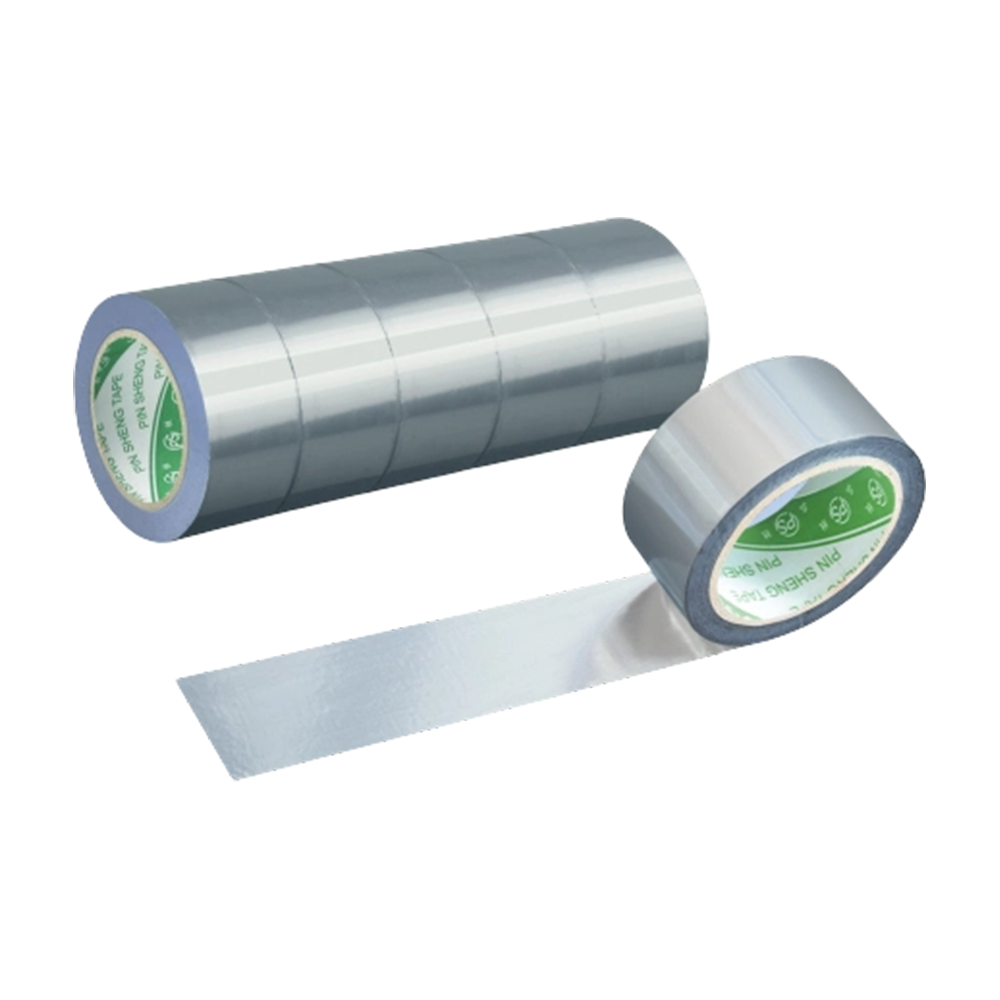
Air leaks in a duct system quietly waste energy for years before anyone notices the utility bill creeping up. Aluminium foil adhesive sealing tape closes that gap by combining a reflective metal barrier with an adhesive built to hold under heat, moisture, and time.
Reflects radiant heat instead of absorbing it, improving insulation efficiency at the seam
Blocks water vapor from penetrating insulation joints and duct seams
Resists flame and holds adhesion across a wide operating temperature range
What the Foil Layer Actually Does
The aluminium backing is not just a cosmetic finish, it is the functional core of the tape. It reflects radiant heat away from the sealed surface, blocks moisture vapor from reaching insulation, and adds mechanical strength that plain adhesive-only tapes cannot match. The adhesive layer's job is narrower: hold that foil layer in place under the temperature swings, humidity, and vibration typical of HVAC and industrial settings.
Sealed vs Unsealed: What Changes at the Joint
With Foil Sealing Tape
- Air leakage at joints is minimized
- Condensation risk at seams drops
- Insulation performance holds over time
- Adds EMI shielding where relevant
Unsealed or Basic Tape
- Gradual air leakage increases energy loss
- Moisture can collect at weak seams
- Insulation value degrades faster
- No shielding or reflective benefit
Where This Tape Earns Its Cost
HVAC contractors use it to seal ductwork joints where even small gaps compound into significant energy loss across a building. Cold chain and refrigeration equipment use it to stop condensation from breaking down insulation at seams. Electronics manufacturers use the same conductive foil layer for EMI shielding on cable runs and sensitive components, and construction crews apply it across roof and wall insulation seams to maintain a building's thermal envelope.
Aluminium Foil Tape Against General Purpose Sealing Tape
| Property | Foil Adhesive Sealing Tape | General Purpose Tape |
| Heat reflection | Yes, via aluminium backing | None |
| Moisture barrier | Strong, blocks vapor transfer | Limited or none |
| Temperature range | Wide, industrial grade | Narrower, general use |
| EMI shielding | Available via conductive foil | Not applicable |
Specifications to Confirm Before You Order
Foil thickness and adhesive type together determine how well the tape performs once installed. A thicker foil layer generally improves tear resistance and shielding performance, while adhesive choice, whether acrylic, rubber-based, or hot melt, determines how the tape behaves across your specific temperature and humidity range. Always match both to the environment, not just to a generic "high temperature" label.
Choosing a Manufacturer You Can Rely On
Coating consistency and foil quality control separate a tape that seals reliably for years from one that fails prematurely at seams. An experienced aluminium foil tape manufacturer should provide adhesion, temperature resistance, and aging test data alongside custom foil thickness, width, and adhesive options for your application.
Frequently Asked Questions
What temperature range can aluminium foil tape handle?
Industrial-grade foil sealing tape typically performs across a wide range, from sub-zero refrigeration conditions up to elevated HVAC and industrial process temperatures, depending on the specific adhesive formulation.
Does the tape provide real electromagnetic shielding?
Yes, the conductive aluminium foil layer offers genuine EMI shielding, which is why it is also used on cable runs and sensitive electronic assemblies, not just for insulation sealing.
Is aluminium foil tape suitable for outdoor use?
Many formulations resist UV exposure, moisture, and temperature swings well enough for outdoor construction and roofing applications, though this should be confirmed against the specific product's weathering data.
How is foil tape different from standard duct tape?
Standard cloth duct tape lacks the reflective, moisture-blocking, and shielding properties of the aluminium foil layer, and is generally not rated for the same insulation or industrial sealing performance.
LATEST POST
Let’s create something amazing together
contact us
CONTACT DETAILS
- Address:No. 241, Yaojiafan, Zhangpanqiao, Shushan Street, Xiaoshan District, Hangzhou City, Zhejiang Province, China
- TEL:+86-0571-83175630
- Phone:+86-13336160217
- Email:[email protected]
- WeChat/WhatsApp:+86-18058115265
PRODUCTS
NEWS CENTER
MOBILE TERMINAL
Copyright© Zhejiang Geruite Packaging Materials Co., Ltd. All Rights Reserved.
Privacy Wholesale industrial packaging tape Manufacturers