-
 +86-0571-83175630
-
 [email protected]

 English
  Español
  عربى
عربى 
Fiberglass Tape Roll: Industrial Buying Guide
Content
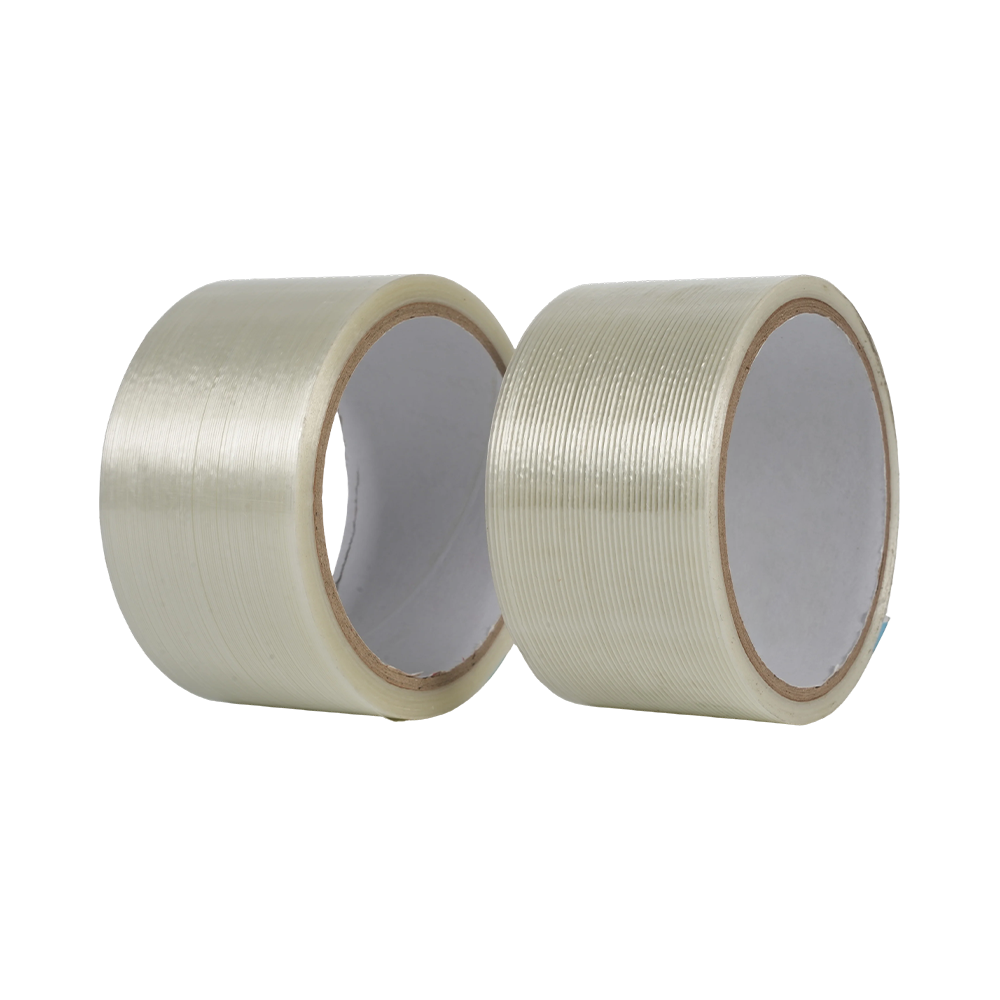
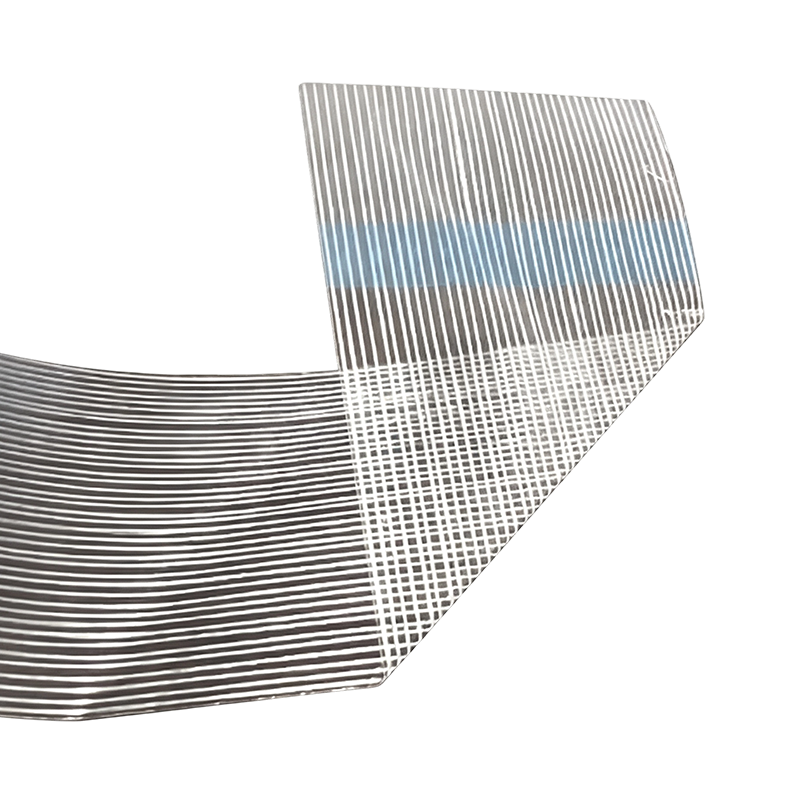
Drywall cracks and pipe joints fail in the same predictable way: the material around them cannot handle the stress concentrated at that single point. Fiberglass tape roll fixes that by spreading load across a woven fiber structure instead of letting it concentrate at a weak spot.
Why Fiber Structure Beats Plain Backing
A plastic or fabric tape stretches and eventually tears under sustained tension because its backing has no internal reinforcement. Fiberglass tape distributes that same tension across thousands of continuous glass filaments, which is why it holds shape under loads that would deform ordinary tape within days.
Where Reinforcement Actually Pays Off
Construction crews use fiberglass mesh tape at drywall joints because it resists the cracking that plain paper tape eventually develops. Electrical contractors wrap motors, transformers, and cable assemblies with it for insulation that holds up under both heat and voltage stress. Industrial maintenance teams apply it to pipe joints for corrosion protection, and composite manufacturers weave it directly into FRP, marine, and automotive parts for strength without added weight.
Fiberglass Tape Against Standard Tape Products
| Property | Fiberglass Tape Roll | Standard Tape |
| Tensile strength | High, fiber-reinforced | Lower, backing-dependent |
| Heat resistance | Strong, suitable for thermal use | Limited |
| Dimensional stability | Low elongation, holds shape | More prone to stretching |
| Best fit | Reinforcement, insulation, composites | General sealing and packaging |
Specifications to Confirm Before Ordering
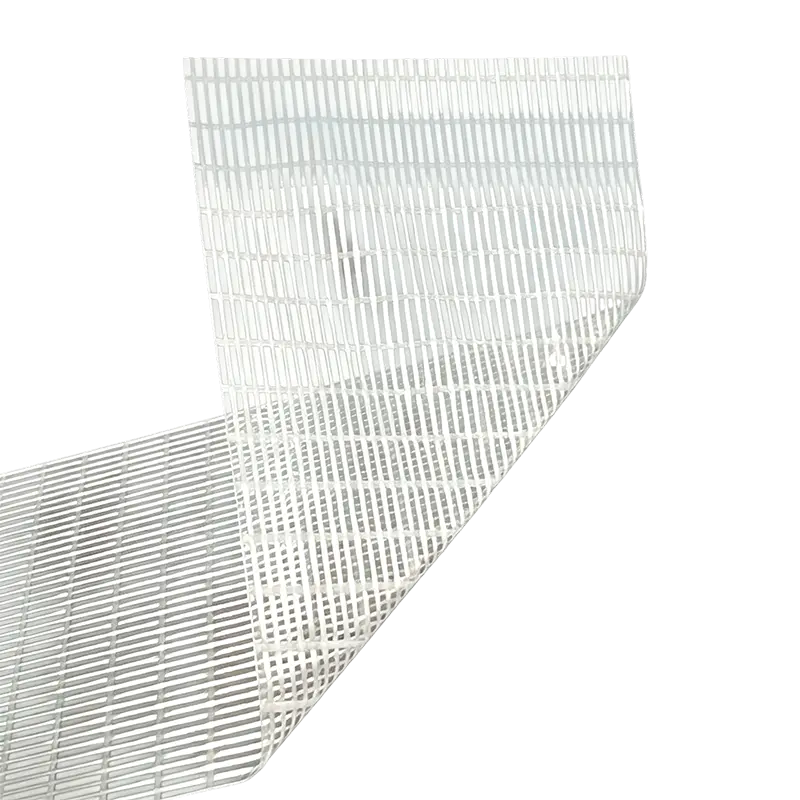
Mesh size and fiberglass density largely determine how much reinforcement a tape actually provides, while adhesive type affects how well it bonds to your specific surface, whether that is drywall, pipe insulation, or a composite mold. Temperature resistance ratings should be checked against your actual operating environment rather than assumed from the general product category.
Sourcing From an Established Manufacturer
Fiber weaving consistency and coating uniformity are what separate a tape that performs to spec from one that varies roll to roll. A capable fiberglass reinforced tape manufacturer should provide tensile strength, heat resistance, and aging test data, along with custom width, mesh, and adhesive options for your application.
Frequently Asked Questions
Is fiberglass tape suitable for outdoor use?
Many formulations resist moisture, chemical exposure, and temperature swings well enough for outdoor and industrial environments, though this should be confirmed against the specific product's weathering data.
Can fiberglass tape be used without adhesive?
Yes, non-adhesive fiberglass tape is common in composite manufacturing, where it is embedded in resin rather than applied as a surface-bonded tape.
How does mesh size affect performance?
A tighter mesh generally improves crack resistance and surface coverage, while a more open mesh can improve resin saturation in composite layup applications.
Does fiberglass tape provide electrical insulation on its own?
Fiberglass fiber itself offers good electrical insulation properties, making it a common choice for motor and transformer wrapping, though performance depends on the specific tape's construction and coating.
LATEST POST
Let’s create something amazing together
contact us
CONTACT DETAILS
- Address:No. 241, Yaojiafan, Zhangpanqiao, Shushan Street, Xiaoshan District, Hangzhou City, Zhejiang Province, China
- TEL:+86-0571-83175630
- Phone:+86-13336160217
- Email:[email protected]
- WeChat/WhatsApp:+86-18058115265
PRODUCTS
NEWS CENTER
MOBILE TERMINAL
Copyright© Zhejiang Geruite Packaging Materials Co., Ltd. All Rights Reserved.
Privacy Wholesale industrial packaging tape Manufacturers