-
 +86-0571-83175630
-
 [email protected]

 English
  Español
  عربى
عربى 
Clear Vinyl Protective Film: Types, Thickness & Application Guide
Content
- 1 Direct Performance Summary of Clear Protective Films
- 2 Material Types and Composition
- 3 Thickness Specifications and Performance Correlation
- 4 Key Applications Across Industries
- 5 Installation Methods and Techniques
- 6 Durability and Service Life Expectations
- 7 Comparative Performance Overview
- 8 Testing Standards and Quality Verification
- 9 Selection Guidelines for Specific Applications
- 10 Emerging Trends and Future Developments
Direct Performance Summary of Clear Protective Films
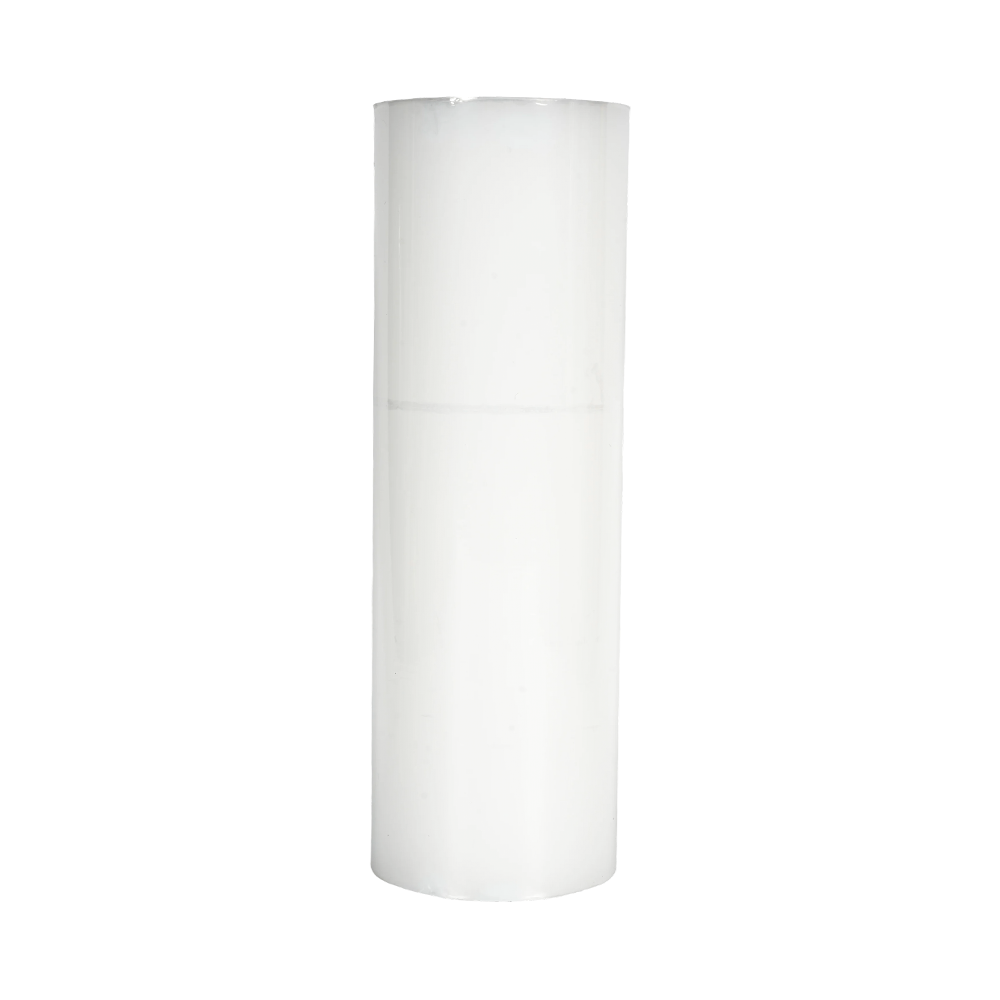
Clear vinyl protective film, clear protective vinyl wrap, and clear plastic protective film deliver measurable surface protection across automotive, construction, and industrial applications. In automotive paint protection, TPU-based clear protective wrap achieves energy efficiency improvements of up to 29% in impact resistance compared to unprotected surfaces, with premium films providing 5 to 10 years of durable protection against scratches, rock chips, and UV degradation. Standard PVC-based clear vinyl protective film typically measures 2 to 4 mil in thickness and offers 3 to 5 years of service life, while advanced TPU clear protective wrap ranges from 6.5 mil to 10 mil and extends protection to 10 years or more with proper maintenance.
For construction and building applications, clear plastic protective film shields architectural panels, windows, and glass surfaces during transportation and installation. These films provide tailored adhesion levels that secure firmly to various material surfaces without leaving residue upon removal, with UV-resistant options offering temporary surface protection for 3, 5, or 9-month durations during outdoor exposure. The global paint protection film market reached $532.3 million in 2025, reflecting increased demand for clear protective solutions that preserve surface quality and resale value.
Self-healing technology in premium clear protective wrap allows minor scratches and swirl marks to disappear when exposed to heat. This molecular memory feature activates at temperatures achievable through normal sunlight exposure, with visible healing often occurring within minutes of controlled heat application. The self-healing capability effectively addresses surface-level damage within the topcoat layer, typically scratches less than 30 microns deep, dramatically reducing visible wear accumulation over the film's service life.
Material Types and Composition
Clear protective films are manufactured from distinct polymer materials, each offering specific performance characteristics tailored to different protection requirements and application environments.
Polyvinyl Chloride (PVC) Films
PVC-based clear vinyl protective film represents the most common and cost-effective option for general surface protection. These films feature a multi-layer cast construction with pressure-sensitive adhesive backing. Standard PVC clear protective vinyl wrap measures approximately 3 to 4 mil in total thickness and offers flexibility and conformability to curved surfaces. The material accepts dyes and pigments readily, making it suitable for both clear protective applications and colored wraps. However, PVC films are more prone to UV-induced degradation, with typical service lives of 2 to 5 years depending on environmental exposure and maintenance quality.
Thermoplastic Polyurethane (TPU) Films
TPU-based clear protective wrap delivers superior impact resistance, flexibility, and self-healing properties compared to PVC alternatives. The material construction typically consists of three essential layers: a clear topcoat responsible for self-healing properties, a thicker polyurethane middle layer that provides exceptional impact resistance by absorbing and dispersing energy from rocks and debris, and an adhesive layer that ensures secure bonding to surfaces without leaving residue upon removal. TPU films demonstrate tensile strength of approximately 19 MPa and elongation at break of 323%, significantly exceeding the mechanical properties of standard PVC films. Premium TPU clear protective wrap maintains optical clarity and gloss throughout its service life while resisting yellowing and cracking.
Polyethylene Terephthalate (PET) Films
PET-based clear plastic protective film offers high rigidity and excellent optical clarity for applications requiring dimensional stability. Clear DuraLar polyester film achieves tensile strength of 28,000 psi in the machine direction and 34,000 psi in the transverse direction, with elongation values of 115% and 92% respectively. The material provides visible light transmission greater than 88% and haze levels below 1%, ensuring minimal visual distortion. PET films excel in electronics applications including smartphone screen protectors, LCD display protection, and semiconductor wafer handling, where optical precision and chemical resistance are critical.
Multi-Layer Composite Structures
Advanced clear protective films utilize multi-layer composite structures to combine the benefits of different materials. A typical construction includes a PET outer layer for UV and scratch resistance, a polyamide layer for durability and gas barrier properties, an ethyl vinyl alcohol layer as the main gas barrier minimizing oxygen and carbon dioxide transmission, and an ultra-low density polyethylene contact layer providing chemical resistance and inert surface properties. Total film thickness for these composites typically ranges from 150 to 250 microns, with each layer contributing specific protective functions.
Thickness Specifications and Performance Correlation
Film thickness directly influences protection level, durability, and installation characteristics. Understanding the relationship between thickness and performance enables informed selection for specific applications.
Automotive Paint Protection Film Thickness Standards
Clear protective wrap for automotive applications follows established thickness categories. A 6.5 mil film (approximately 165 microns) provides lightweight, flexible protection suitable for daily-use vehicles in mild environments, with easier installation characteristics and lower cost. The 7.5 mil thickness (approximately 190 microns) represents the most popular balanced option, offering substantial protection while remaining installer-friendly for full-body applications. An 8.5 mil film (approximately 215 microns) delivers enhanced scratch resistance ideal for highway commuters facing constant gravel and debris exposure. The 10 mil thickness (approximately 250 microns) provides maximum protection for luxury vehicles and harsh driving conditions, absorbing significantly more impact energy before damage reaches the paint surface.
Thickness Conversion and Measurement
Film thickness is measured in mils, where one mil equals one-thousandth of an inch (0.001 inch). Conversion to metric units follows the relationship that 1 mil equals 25.4 microns. For reference, a standard bank card measures approximately 30 mil thick. Gauge is another common unit in the film industry, where 100 gauge equals approximately 25.4 microns or 1 mil. Accurate thickness measurement requires specialized tools such as digital calipers or micrometers, with measurements taken from multiple spots to identify inconsistencies that could indicate manufacturing defects or installation problems.
General Purpose Clear Film Thickness Ranges
Clear PVC film for general protective applications spans a wide thickness range. Semi-rigid clear films typically measure 0.006 to 0.016 inches (6 to 16 mil), while soft clear films extend from 0.008 to 0.040 inches (8 to 40 mil). Matte and frosty clear variants range from 0.004 to 0.020 inches (4 to 20 mil). Marine-grade clear vinyl for outdoor enclosure applications commonly uses 30 and 40 gauge (approximately 7.5 to 10 mil) for patio enclosures and greenhouse coverings, while thinner 8 to 12 gauge options suit table coverings and indoor protective applications.
Key Applications Across Industries
Clear protective films serve critical functions across diverse industries, with each application demanding specific material properties and performance characteristics.
Automotive Surface Protection
In automotive applications, clear protective wrap guards painted surfaces against rock chips, scratches, UV radiation, and chemical contaminants. Premium TPU films applied to hoods, bumpers, mirrors, and rocker panels absorb impacts that would otherwise damage factory paint. The self-healing topcoat maintains a pristine appearance by automatically repairing minor swirl marks from washing and daily use. Full-vehicle clear protective vinyl wrap installations typically cost between $2,000 and $8,000 depending on film quality and vehicle size, while partial coverage options for high-impact zones offer more affordable protection. The film's hydrophobic surface properties repel water and contaminants, reducing cleaning frequency and maintaining gloss.
Construction and Building Materials
Construction-grade clear plastic protective film shields building panels, windows, glass, and exterior cladding during manufacturing, transportation, and installation. These films prevent scratches, dents, and environmental contamination from construction debris, ensuring materials arrive at job sites in pristine condition. UV-resistant formulations provide temporary outdoor protection for 3, 5, or 9-month durations, accommodating extended construction timelines without adhesive degradation or residue issues. The film adheres firmly to aluminum, steel, composite materials, and glass surfaces while removing cleanly after project completion. Applications include sandwich panel protection, window and door frame coverage, stainless steel sheet preservation, and marble or tile surface guarding during renovation work.
Electronics and Display Protection
Clear plastic protective film plays an essential role in electronics manufacturing and consumer device protection. PET-based films protect smartphone screens, LCD and OLED displays, touch panels, and semiconductor wafers during production and shipping. These films offer precise thickness control, high optical clarity with visible light transmission exceeding 88%, and excellent chemical resistance to solvents and cleaning agents. Dielectric strength testing confirms insulation capabilities, with values reaching 7,000 volts for thin PET films, making them suitable for protecting sensitive electronic components. The material's dimensional stability across temperature ranges from -70°C to 150°C ensures reliable performance in varied operating environments.
Industrial and Manufacturing Protection
Industrial applications utilize clear vinyl protective film for metal sheet protection, aluminum profile coverage, acrylic and polycarbonate sheet guarding, and plastic injection mold protection during processing and transit. These films prevent surface scratches and contamination that would compromise finished product quality. In printing and graphics applications, clear protective films serve as overlaminates for printed materials, backing films for decals, and protection for digitally printed graphics. The films' controlled adhesion properties ensure secure temporary bonding without leaving residue that would require costly cleaning or rework.
Installation Methods and Techniques
Proper installation determines the effectiveness, appearance, and longevity of clear protective films. Two primary application methods exist, each suited to specific film types, surface geometries, and installer experience levels.
Wet Application Method
The wet application method uses an installation fluid, typically a solution of water with a small amount of soap or specialized application fluid, sprayed onto both the substrate surface and the adhesive side of the film. This technique prevents pre-adhesion, allowing the installer to reposition the film before final placement. The wet method proves particularly forgiving for beginners and works best for flat surfaces, glass graphics, and smaller applications. Installers must use a squeegee to remove excess fluid from between the adhesive and substrate, working from the center toward edges with overlapping strokes. After application, a 24-hour drying period is recommended before vehicle use to ensure full adhesion development. The wet method is not recommended for air-egress vinyl films, as trapped fluid prevents proper adhesion activation.
Dry Application Method
Dry application provides immediate adhesion between the film and surface without fluid assistance. This method requires greater skill and precision, as the adhesive grabs instantly upon contact, making repositioning difficult. Dry installation suits large projects, opaque vinyl wraps, and experienced installers working on flat or mildly curved panels. The technique eliminates drying time, allowing immediate vehicle use after installation. For curved surfaces, controlled heat application softens the film, enabling it to conform to complex contours without overstretching. Professional installers using dry methods on commercial fleet wraps report 35% faster installation and 15% material savings compared to wet application for large flat panels.
Heat Setting and Post-Installation Procedures
Both installation methods require heat setting to ensure long-term adhesion and film conformity. For automotive clear protective wrap, heating film edges and corners to temperatures between 200°F and 220°F (93°C to 104°C) prevents lifting over time. Post-heating activates adhesive memory, helping the film maintain its position on curved surfaces and complex geometries. Professional installers fold film under vehicle edges and heat-set these areas to create seamless protection that resists peeling. Proper surface preparation, including thorough cleaning with solvent and water followed by drying with lint-free cloths, remains essential regardless of the installation method chosen.
Durability and Service Life Expectations
The longevity of clear protective films depends on material quality, environmental exposure, installation quality, and maintenance practices. Understanding realistic service life expectations helps users plan replacement schedules and maximize return on investment.
Automotive Film Lifespan by Type
High-quality cast vinyl clear protective wraps typically last 5 to 7 years, with premium options extending to 10 years under optimal conditions. Calendared vinyl films, being thicker and less flexible, generally provide only 2 to 3 years of service life. TPU-based clear protective wrap delivers the longest durability, with premium products offering 5 to 10 years of protection and manufacturer warranties covering yellowing, cracking, and edge peeling. Fleet vehicles driven daily in harsh conditions experience wrap lifespans of 3 to 5 years, while garage-kept personal cars achieve 6 to 7 years with regular maintenance. Specialty finishes such as chrome or carbon fiber wraps have shorter lifespans of 2 to 4 years due to thinner construction and reduced UV resistance.
Environmental Factors Affecting Durability
Climate and geography significantly impact clear protective film longevity. High-UV areas such as Arizona, Florida, and Texas accelerate fading and material degradation, potentially reducing service life by 30 to 40%. Cold climates introduce brittleness risks, with vinyl becoming more prone to cracking and edge peeling when temperatures drop below freezing. Urban pollution including acid rain and smog contributes to discoloration, particularly on lighter film finishes. Road salt in winter regions can corrode film edges if not promptly removed. UV inhibitors and hindered amine light stabilizers incorporated into premium film formulations absorb or dissipate harmful radiation, extending lifespan in sunny environments.
Maintenance Requirements for Extended Life
Regular maintenance substantially extends clear protective film service life. Hand washing every two weeks with mild detergent and microfiber cloths prevents contaminant buildup that accelerates degradation. Prompt removal of bird droppings, tree sap, and fuel spills prevents chemical etching. Avoiding automated car washes with abrasive brushes prevents surface scratching. UV-protective sprays designed for vinyl and PPF surfaces reduce fading in high-sun environments. Parking in shade or using car covers minimizes direct UV exposure during extended storage periods. For self-healing films, minor scratches naturally repair when exposed to sunlight, engine heat, or warm water at approximately 160°F, maintaining surface gloss without manual intervention.
Comparative Performance Overview
| Film Type | Material | Thickness Range | Typical Lifespan | Self-Healing | Primary Application |
|---|---|---|---|---|---|
| Standard Vinyl Wrap | PVC | 2 - 4 mil | 3 - 5 years | No | Color change, light protection |
| Cast Vinyl Wrap | PVC | 3 - 4 mil | 5 - 7 years | No | Automotive styling, moderate protection |
| Standard PPF | TPU | 6.5 - 7.5 mil | 5 - 8 years | Yes | Daily driver paint protection |
| Premium PPF | TPU | 8.5 - 10 mil | 8 - 10 years | Yes | Luxury vehicle, harsh conditions |
| PET Protective Film | PET | 1 - 5 mil | Varies by application | No | Electronics, display protection |
| Construction Film | PE / PVC | 2 - 6 mil | 3 - 9 months | No | Temporary building material protection |
Testing Standards and Quality Verification
Clear protective films undergo rigorous laboratory testing to verify performance claims and ensure consistent quality. Understanding these testing methods helps buyers evaluate product specifications and compare offerings across manufacturers.
Mechanical Property Testing
Tensile strength testing following ASTM D882 measures the force required to pull a film until breakage, revealing durability under mechanical stress. TPU paint protection films are certified to ASTM D638-2014 standards, with premium products achieving tensile strength of 19 MPa and elongation at break of 323%. Tear resistance testing per ASTM D1004 evaluates a film's ability to resist tear propagation, essential for applications involving handling and installation stress. Puncture resistance tests including ASTM F1306 and ASTM D1709 determine impact resistance using slow-rate penetration and free-falling dart methods, quantifying protection against sharp objects and debris impacts.
Environmental Durability Testing
UV and weather exposure testing places films in artificial weather chambers known as Xenon-Arc weathering devices, which replicate months or years of intense sun exposure and weather cycles in compressed timeframes. Technicians monitor for yellowing, cracking, and adhesive degradation under controlled UV, humidity, and temperature conditions. Chemical resistance testing applies common corrosive substances including gasoline, brake fluid, simulated acidic bird droppings, and concentrated road salts to film surfaces for predetermined periods. After cleaning, inspectors evaluate surface integrity, gloss retention, and adhesion strength to verify barrier performance.
Self-Healing Performance Verification
Self-healing tests intentionally score film surfaces with precise measured tools to create controlled scratches. The film is then exposed to controlled heat via hot water or heat guns, with technicians using high-magnification microscopes to document the speed and completeness of molecular rearrangement. Premium self-healing films demonstrate complete scratch disappearance, often within seconds of controlled heat exposure. The testing verifies that elastomeric polymer chains successfully reorganize and flow back into original configurations, restoring smooth surface finish.
Selection Guidelines for Specific Applications
Choosing the appropriate clear protective film requires matching material properties and thickness to specific protection needs, environmental conditions, and budget constraints.
For Automotive Paint Protection
Vehicle owners seeking long-term paint preservation should select TPU-based clear protective wrap with self-healing properties. Daily drivers benefit from 6.5 mil to 7.5 mil thickness providing balanced protection and cost-effectiveness. Highway commuters and luxury vehicle owners should consider 8.5 mil to 10 mil films for maximum impact resistance. The investment ranges from $1,200 to $3,800 for full-vehicle professional installation, with partial front-end packages starting around $800. Verify that selected films carry manufacturer warranties of at least 5 years covering yellowing, cracking, and delamination.
For Construction and Temporary Surface Protection
Construction projects require clear plastic protective film with appropriate adhesion levels for specific substrate materials. Building panel protection demands films that withstand outdoor exposure for project durations ranging from 3 to 9 months. Window and glass protection requires optical clarity preservation and residue-free removal. Specify UV-resistant formulations for any outdoor storage or installation periods. Consider perforated or printed options for easy identification and application guidance on job sites. Cost considerations favor thinner films for short-term applications, while extended projects justify thicker, more durable options.
For Electronics and Precision Applications
Electronics applications prioritize PET-based clear plastic protective film with precise thickness control and high optical clarity. Screen protectors and display covers require haze levels below 1% and visible light transmission exceeding 88% to maintain display quality. Semiconductor and PCB applications demand films with excellent chemical resistance and cleanroom-compatible surfaces. Verify that selected films meet relevant industry standards including USP Class VI for medical applications or FDA compliance for food-contact scenarios. Thickness typically ranges from 1 to 5 mil depending on the level of mechanical protection required.
Emerging Trends and Future Developments
The clear protective film industry continues advancing with new technologies that expand functionality and improve sustainability.
Enhanced self-healing formulations under development promise faster healing times, greater scratch depth repair capabilities, and broader temperature activation ranges. Next-generation elastomeric polymers may heal damage that currently requires film replacement, further reducing long-term maintenance costs. Antimicrobial coatings integrated into protection films address hygiene concerns for vehicle interiors and high-touch surfaces, inhibiting bacterial and viral growth.
Smart film technologies incorporating electronic capabilities could enable features like on-demand color change, integrated damage detection sensors, or solar energy harvesting. While largely in research phases, these developments demonstrate expanding possibilities beyond passive barrier functions. Sustainability improvements focus on bio-based feedstocks replacing petroleum-derived polymers, water-based adhesive systems eliminating solvent emissions, and improved recycling processes recovering film materials after removal. Color PPF options now combine protection and customization in single installations, eliminating traditional compromises between appearance modification and surface preservation.
LATEST POST
Let’s create something amazing together
contact us
CONTACT DETAILS
- Address:No. 241, Yaojiafan, Zhangpanqiao, Shushan Street, Xiaoshan District, Hangzhou City, Zhejiang Province, China
- TEL:+86-0571-83175630
- Phone:+86-13336160217
- Email:[email protected]
- WeChat/WhatsApp:+86-18058115265
PRODUCTS
NEWS CENTER
MOBILE TERMINAL
Copyright© Zhejiang Geruite Packaging Materials Co., Ltd. All Rights Reserved.
Privacy Wholesale industrial packaging tape Manufacturers