-
 +86-0571-83175630
-
 [email protected]

 English
  Español
  عربى
عربى 
BOPP Tape: Types, Properties, and Choosing the Right Packaging Tape
Content
What BOPP Tape Is and Why It Dominates Packaging
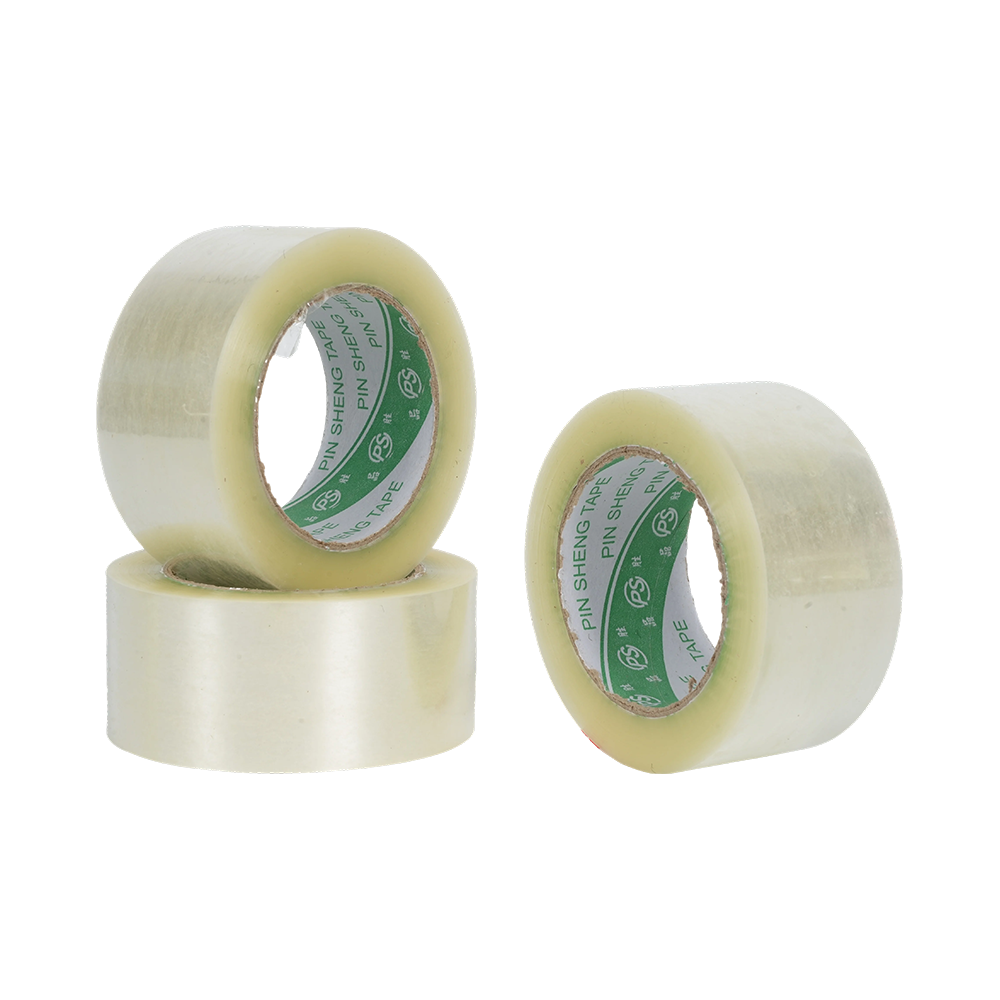
BOPP tape — biaxially oriented polypropylene tape — is the most widely used pressure-sensitive packaging tape in industrial and commercial shipping. The film substrate is produced by stretching polypropylene in two perpendicular directions, which aligns the polymer chains and dramatically improves tensile strength, dimensional stability, and resistance to tearing compared to standard polypropylene film.
The backing is then coated with an adhesive — most commonly hot-melt or acrylic — and wound onto cores for use in manual or machine-applied applications. The result is a lightweight, transparent or printed tape capable of holding carton seals under significant mechanical stress, temperature variation, and humidity.
Global BOPP film production exceeds 10 million tonnes annually, with packaging tape accounting for a substantial share. The material's combination of low cost per linear meter, strong adhesion, and printability has made it the default choice for e-commerce fulfillment, freight packaging, and manufacturing environments worldwide.
Adhesive Types and Their Performance Differences
The adhesive layer determines how a BOPP tape performs across different substrates, temperatures, and storage conditions. The two dominant systems — hot-melt and acrylic — serve different operational profiles.
Hot-Melt Adhesive BOPP Tape
Hot-melt formulations use synthetic rubber-based compounds that provide an immediate, aggressive bond on most surfaces including recycled and rough-surface corrugated. Tack is typically higher than acrylic equivalents, making hot-melt tape the preferred option in high-speed carton sealing lines where dwell time before bond formation is minimal. The limitation is temperature sensitivity: hot-melt adhesives soften above approximately 50–60°C and can fail in cold-chain or outdoor storage scenarios.
Acrylic Adhesive BOPP Tape
Acrylic adhesives cure through UV exposure or oxidation and offer a significantly broader service temperature range — typically −20°C to 70°C. They age with greater stability, which matters for long-term archival storage or products that transit through extreme climates. Acrylic BOPP tape is also more resistant to plasticizer migration, making it compatible with vinyl-coated or plastic-laminated boxes. The trade-off is initial tack: acrylic systems require slightly more application pressure to achieve full contact adhesion.
| Property | Hot-Melt | Acrylic |
|---|---|---|
| Initial Tack | High | Medium |
| Temperature Range | 0°C to ~55°C | −20°C to 70°C |
| UV / Aging Resistance | Moderate | High |
| Best For | High-speed lines, rough substrates | Cold chain, long-term storage |
Key Specifications to Evaluate When Sourcing BOPP Tape
Not all BOPP tapes are manufactured to the same standard. Several measurable parameters determine whether a tape will perform reliably under real logistics conditions.
Film Thickness
BOPP tape film thickness typically ranges from 28 to 50 microns. Thinner films reduce material cost and roll weight but offer less tensile strength and puncture resistance. For industrial palletizing or heavy carton applications, 40+ micron film is standard. For light-duty e-commerce parcel sealing, 30–35 micron film is sufficient.
Tensile Strength and Elongation
Tensile strength — measured in N/25mm — indicates how much pulling force the tape can sustain before tearing along its length. A value of 45–80 N/25mm is common for general packaging grades. Elongation at break, typically 80–150%, reflects the tape's ability to absorb shock loads during transit without splitting.
Adhesion to Steel (Peel Strength)
Peel adhesion is standardized at 180° and expressed in N/25mm. Values of 3–6 N/25mm represent general-purpose grades; higher-performance tapes used in automated sealing equipment may specify 7–10 N/25mm to prevent tape lifting under vibration.
Core Size and Roll Dimensions
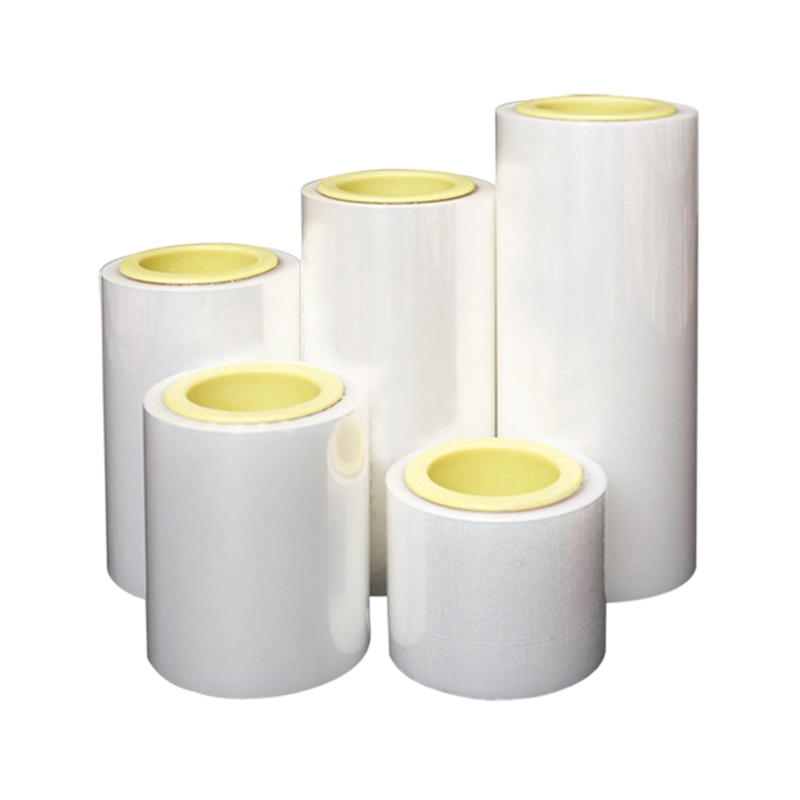
Standard core diameters are 76 mm (3 inches) for machine-grade rolls and 25 mm (1 inch) for hand-dispensed rolls. Roll width most commonly runs at 48 mm or 72 mm, though custom widths are available for specific machine configurations. Specifying the correct core diameter is critical when integrating tape into automated case-sealing equipment.
Printed BOPP Tape: Security, Branding, and Tamper Evidence
BOPP's smooth surface accepts flexographic and rotogravure printing with high fidelity, which has made printed tape a standard tool in brand protection and supply chain security. Custom-printed BOPP tape serves three practical functions beyond simple closure.
- Brand visibility: Repeating logos or slogans across carton surfaces during transit create touchpoints without additional packaging material cost.
- Tamper evidence: Many printed BOPP tapes are formulated to leave a "VOID" or printed pattern on the substrate if removal is attempted, providing a low-cost integrity indicator for high-value shipments.
- Handling instruction communication: Fragile, This Side Up, and similar warnings printed directly on the seal tape ensure instructions travel with the carton regardless of how outer labels are placed.
Minimum order quantities for custom-printed BOPP tape typically start at 36–72 rolls per design from most converters, though large-volume buyers sourcing direct from film manufacturers can negotiate lower MOQs at higher total yardage commitments.
Selecting the Right BOPP Tape for Your Application
The decision framework for BOPP tape selection should start with the application environment rather than price. The following factors narrow the choice systematically.
- Box substrate: Virgin corrugated accepts most adhesives well. Recycled board, wax-coated boxes, and plastic-laminated surfaces require higher-tack hot-melt or specialized acrylic formulations.
- Temperature exposure: Cold storage or export shipments transiting high-heat regions require acrylic adhesive. Standard ambient warehousing is compatible with either system.
- Application method: Machine application requires consistent roll dimensions, defined unwind tension, and precise film gauge. Hand application is more tolerant of variation.
- Carton weight and stress: Heavy cartons (>20 kg) warrant thicker film and higher peel adhesion specs. Light parcel sealing can use entry-grade 28–30 micron tape without performance compromise.
- Regulatory or retail compliance: Some retail supply chains (particularly in FMCG and electronics) specify tape that meets ISTA or ASTM transit testing, which indirectly sets a minimum performance floor on the tape used.
Requesting technical data sheets and sample rolls before committing to a volume order remains the most reliable qualification method. Key TDS values to verify are peel adhesion, tensile strength, elongation, and service temperature range — all of which should align with the conditions the tape will actually encounter in your supply chain.
LATEST POST
Let’s create something amazing together
contact us

CONTACT DETAILS
- Address:No. 241, Yaojiafan, Zhangpanqiao, Shushan Street, Xiaoshan District, Hangzhou City, Zhejiang Province, China
- TEL:+86-0571-83175630
- Phone:+86-13336160217
- Email:[email protected]
- WeChat/WhatsApp:+86-18058115265
PRODUCTS
NEWS CENTER
MOBILE TERMINAL
Copyright© Zhejiang Geruite Packaging Materials Co., Ltd. All Rights Reserved.
Privacy Wholesale industrial packaging tape Manufacturers