-
 +86-0571-83175630
-
 [email protected]

 English
  Español
  عربى
عربى 
Clear Vinyl Protective Film & Protective Wrap: Buying Guide
Content
Clear Vinyl Protective Film vs. Clear Protective Wrap: Same Job, Different Materials
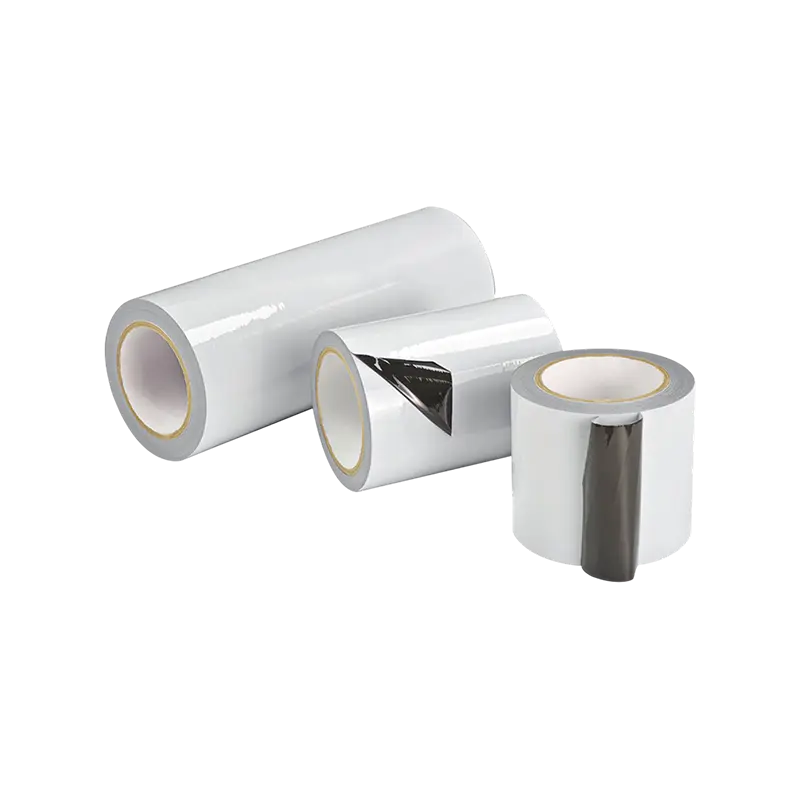
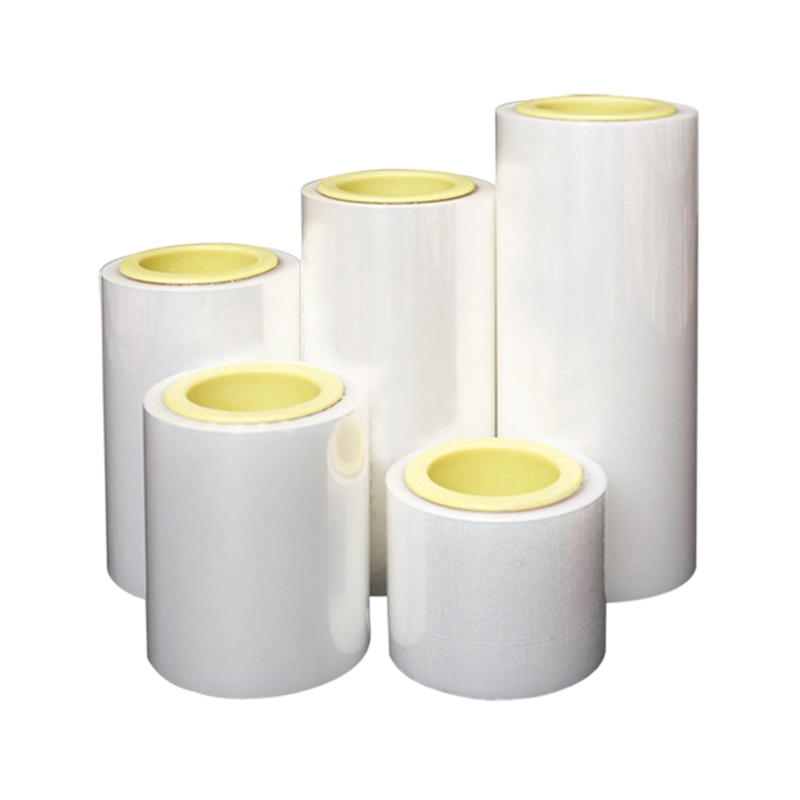
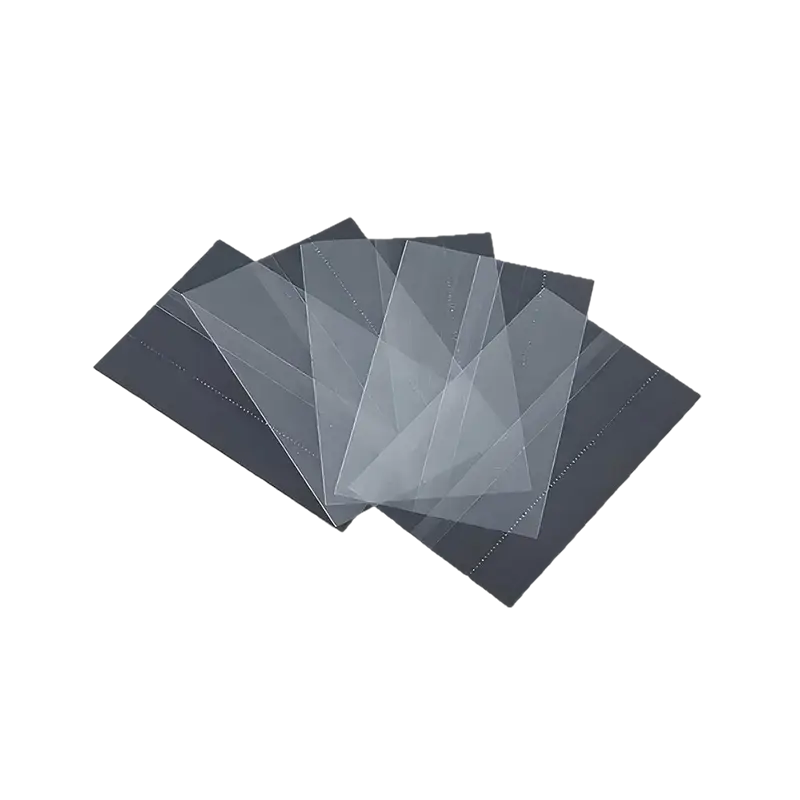
Clear vinyl protective film and clear protective wrap both shield surfaces from scratches, dust, and moisture during shipping, storage, or use, but they are built differently and suit different jobs. Clear vinyl protective film is a semi-rigid PVC sheet, often self-adhesive or static-cling, applied once and left in place for the working life of the product — furniture upholstery, appliance panels, screen surfaces, or countertops. Clear protective wrap is a thinner, flexible film, usually non-adhesive stretch or shrink wrap, applied to bundle or enclose an item temporarily for transit and removed before the product is used.
Vinyl film is the right choice when the surface needs ongoing protection during actual use, such as a sofa cushion during a move-in period or a stainless steel appliance during a renovation. Wrap is the right choice for short-term transit or bulk packaging, where the goal is keeping dust and moisture off a stacked or palletized item until it reaches its destination.
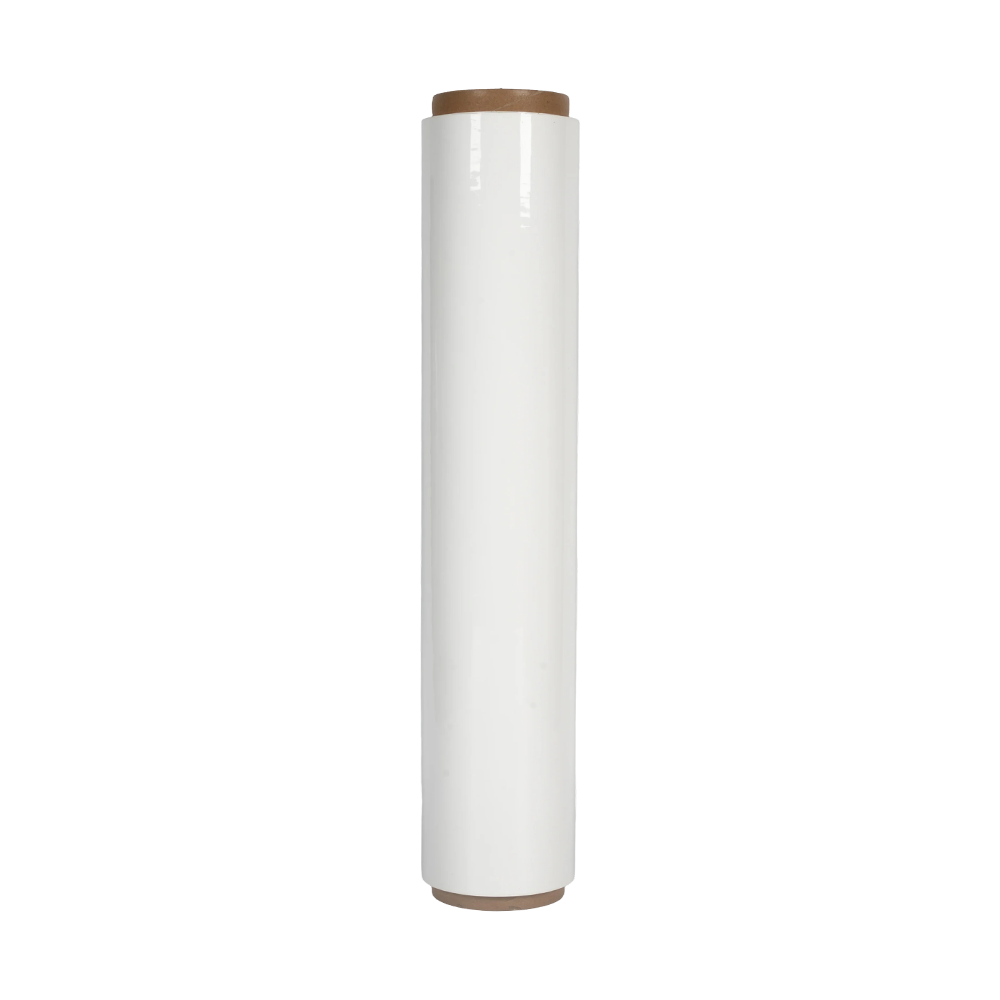
Thickness and Clarity: What the Numbers Mean in Practice
Thickness is usually listed in mil (thousandths of an inch) or microns, and it directly affects both durability and how much the film distorts the surface underneath.
| Thickness | Common Use | Notes |
|---|---|---|
| 2-4 mil | Lightweight wrap for cartons, bundled parts | Tears easily under sharp edges; short-term use only |
| 6-10 mil | Furniture and appliance surface film | Holds up to moderate daily handling |
| 12-20 mil | Heavy-duty surface protection, flooring runners | Rigid enough to resist puncture from foot traffic or tools |
Typical thickness ranges for clear vinyl protective film and where each performs best.
Optical clarity matters as much as thickness for any application where the covered surface stays visible — a clear label, a device screen, a display counter. Lower-grade film can develop a slight haze or yellow tint within months of UV exposure, so checking for a UV-stabilized formulation is worth the extra cost on anything installed near a window or outdoors.
Adhesive Type Determines How Easily It Comes Off Later
The biggest complaint with protective film is residue left behind after removal, and this comes down almost entirely to adhesive choice:
- Static cling — no adhesive at all, relies on surface tension to stay in place. Leaves zero residue but can lift at the edges over long periods or in humid conditions.
- Low-tack adhesive — a light, removable adhesive designed for temporary application. Common on appliance and glass protective films; typically rated for removal within 30-90 days without residue.
- Permanent or high-tack adhesive — bonds strongly and is meant to stay for the product's service life rather than be peeled off cleanly.
Leaving low-tack film in place well past its rated removal window is the most common cause of adhesive residue, since the adhesive chemically bonds more over time regardless of its original "removable" rating.
Choosing Wrap for Shipping and Bulk Packaging
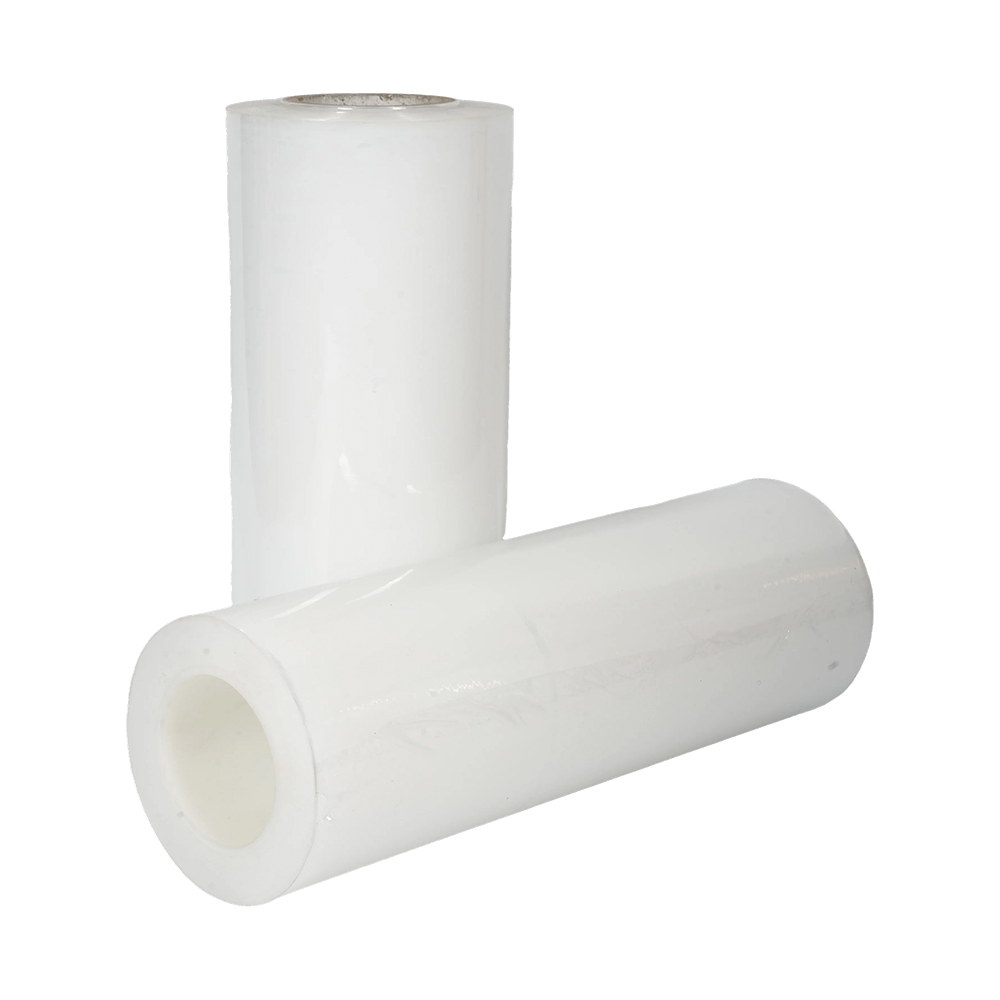
For clear protective wrap used in shipping and warehousing, the decision usually comes down to stretch wrap versus shrink wrap rather than thickness alone:
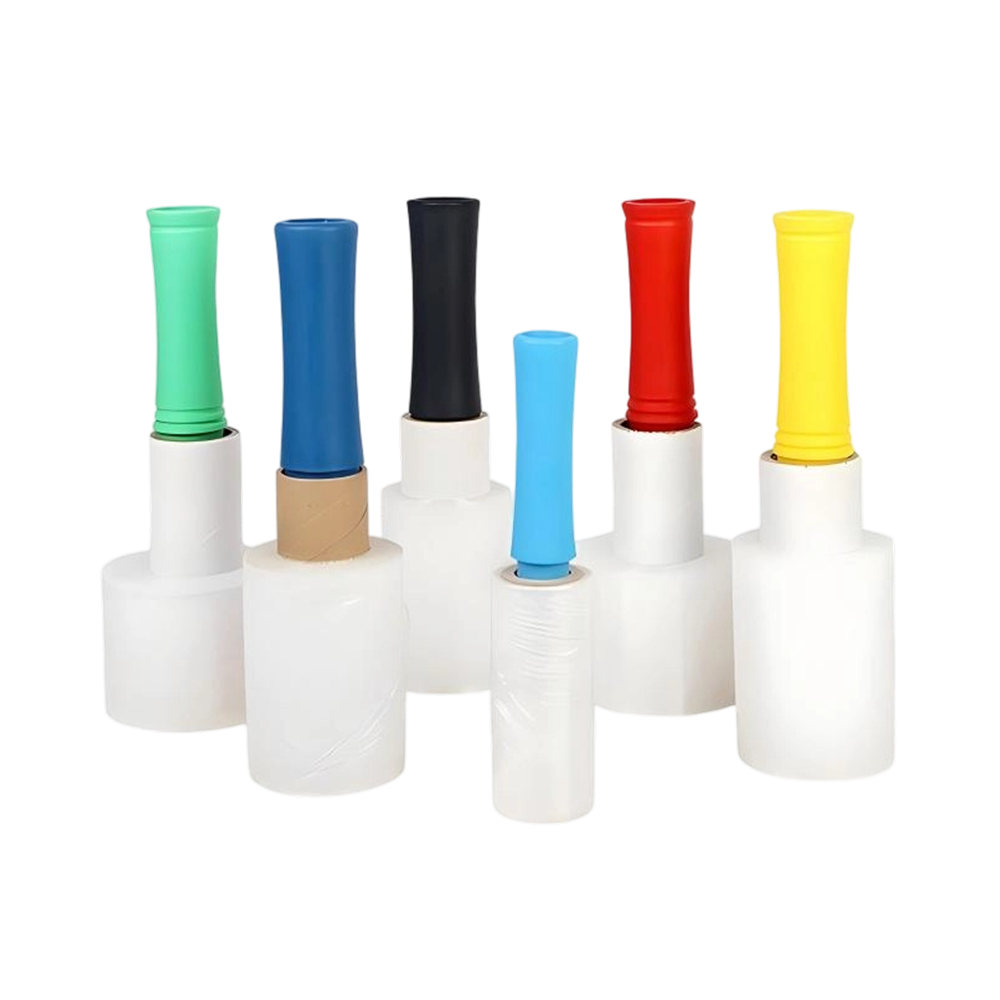
- Stretch wrap is pulled tight and clings to itself, ideal for palletized goods or bundling irregular shapes without heat.
- Shrink wrap requires heat application to tighten around the product, giving a cleaner, tighter seal for retail-ready packaging but adding a processing step.
- Gauge (thickness) for wrap is typically lower than surface film, since the goal is coverage and puncture resistance during handling rather than long-term wear resistance.
For products with sharp corners or exposed hardware, a slightly thicker gauge wrap or added corner padding prevents the most common failure point: puncture at a corner during stacking or forklift handling.
Application Tips That Prevent Bubbles and Peeling
Most application problems with clear vinyl film trace back to surface prep and technique rather than the material itself:
- Clean and fully dry the surface before application — trapped moisture is the leading cause of bubbling under film
- Apply in a room-temperature environment; cold surfaces reduce adhesive tack and make air bubbles harder to push out
- Use a squeegee working from the center outward rather than pressing down randomly, which traps air pockets under the film
For large, flat surfaces like tabletops or appliance panels, applying film in a slightly humid environment (a light water-and-soap spray under the film) actually helps with positioning and reduces bubbling, since it allows small adjustments before the adhesive sets.
LATEST POST
Let’s create something amazing together
contact us
CONTACT DETAILS
- Address:No. 241, Yaojiafan, Zhangpanqiao, Shushan Street, Xiaoshan District, Hangzhou City, Zhejiang Province, China
- TEL:+86-0571-83175630
- Phone:+86-13336160217
- Email:[email protected]
- WeChat/WhatsApp:+86-18058115265
PRODUCTS
NEWS CENTER
MOBILE TERMINAL
Copyright© Zhejiang Geruite Packaging Materials Co., Ltd. All Rights Reserved.
Privacy Wholesale industrial packaging tape Manufacturers