-
 +86-0571-83175630
-
 [email protected]

 English
  Español
  عربى
عربى 
Blue Mylar Tape & Mylar Packaging Tape: Uses, Types, and Selection
Content
What Mylar Tape Actually Is
Mylar tape is a pressure-sensitive adhesive tape built on a polyethylene terephthalate (PET) film substrate — the same material commercially known under the DuPont trade name Mylar. The PET film carrier gives the tape a unique combination of properties that standard polypropylene or vinyl tapes cannot match: dimensional stability across a wide temperature range, high tensile strength relative to its thickness, excellent dielectric characteristics, and resistance to most solvents and moisture. These properties make mylar tape a functional material rather than a simple packaging product, appearing in applications ranging from electronics shielding to high-temperature masking.
The adhesive layer is typically acrylic-based, chosen for its long-term bonding stability and resistance to UV degradation. Silicone adhesive variants exist for high-temperature applications exceeding 150°C. Film thickness in commercial products typically runs between 12 microns and 75 microns, with thicker films providing greater puncture resistance and thinner films offering better conformability around curved surfaces or component leads.
Blue Mylar Tape: Function Behind the Color
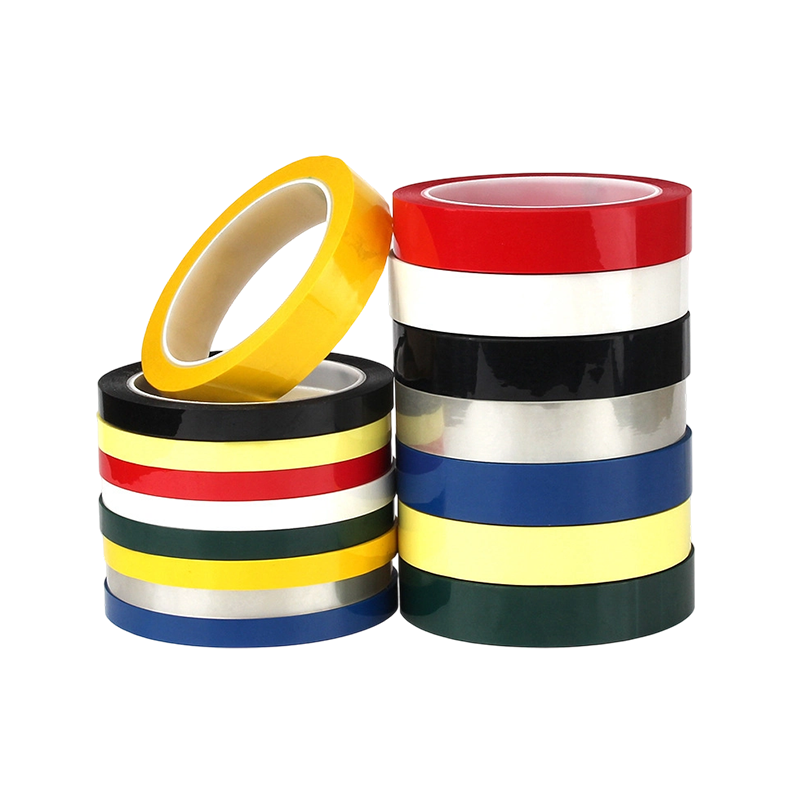
Blue mylar tape is a color-coded variant of standard PET film tape, and the color serves a practical rather than decorative purpose. In electronics manufacturing and PCB assembly environments, color coding allows assemblers and quality control personnel to identify tape type, masking zone, or process stage at a glance without removing the tape or consulting documentation. Blue specifically is widely adopted in the following contexts:
- SMT masking: Blue mylar tape is applied over connectors, gold fingers, or solder pads before reflow or wave soldering to protect them from solder bridging and flux contamination. The high-visibility color confirms coverage is complete before the board enters the oven.
- Battery cell insulation: In lithium-ion battery pack assembly, blue mylar tape is wrapped around cell bodies or applied to tab areas to prevent short circuits between adjacent cells. The film's dielectric strength — typically 3,000–5,000 V/mil — makes it suitable for this application.
- Transformer and coil winding: Blue PET tape acts as interlayer insulation between winding layers, with the color distinguishing it from white or yellow tapes used for different insulation classes.
- Cable bundling and identification: Blue color coding in cable harness assembly identifies wire groupings by function or circuit, allowing traceability without printed labels.
The blue pigment is incorporated into the PET film itself, not applied as a surface coating, so it does not affect the tape's electrical or thermal properties. Film thickness for blue mylar tape used in electronics applications is commonly 25 microns (1 mil), balancing conformability with adequate insulation performance.

Mylar Packaging Tape: Where It Differs From Industrial PET Tape
Mylar packaging tape shares the same PET film base but is engineered for sealing and bundling applications rather than masking or electrical insulation. The distinction lies primarily in adhesive thickness, release characteristics, and whether the tape is designed for permanent bonding or clean removal. Packaging variants prioritize:
- Higher initial tack: Packaging tape must adhere immediately to corrugated fiberboard, kraft paper bags, and foil-laminated pouches without requiring prolonged pressure application.
- Tear resistance: PET film does not hand-tear cleanly like BOPP film, so mylar packaging tape is either supplied with a serrated dispenser or pre-scored at regular intervals. The tear resistance that is a drawback for casual users becomes an advantage in transit — taped seams on heavy cartons resist reopening under vibration or impact.
- Moisture vapor barrier: Metallized mylar packaging tape — where an aluminum layer is vacuum-deposited onto the PET film — adds a moisture and oxygen barrier, making it suitable for sealing foil pouches in food, pharmaceutical, or electronics packaging.
- Cold temperature performance: Unlike standard acrylic-on-polypropylene packaging tape, mylar packaging tape maintains adhesion at temperatures as low as −40°C, making it viable for cold chain logistics and frozen goods distribution.
A subset of mylar packaging tape is the foil-faced or aluminized version, sometimes marketed as "metallic mylar tape." This product combines the structural strength of PET with the reflective, conductive, and barrier properties of aluminum foil. It is used to seal HVAC ductwork, wrap pipe insulation, and create EMI-shielded seams on equipment enclosures — a distinctly different use case from the clear or blue-tinted packaging tape discussed above.
Comparing Key Specifications
| Property | Blue Mylar Tape (Electronics) | Mylar Packaging Tape (Clear/Metallized) |
|---|---|---|
| Film thickness | 12–50 µm | 25–75 µm |
| Adhesive type | Acrylic or silicone | Acrylic (high tack) |
| Dielectric strength | 3,000–5,000 V/mil | Not typically rated |
| Temperature range | −40°C to +150°C (silicone) | −40°C to +80°C |
| Removal | Clean removal (process tape) | Permanent bond |
| Moisture barrier | Moderate (PET film) | High (metallized variant) |
| Primary standard | IPC-4563, UL 510 | ASTM D1000, PSTC-101 |
How to Choose the Right Mylar Tape for Your Application
The overlap in name between blue mylar tape and mylar packaging tape causes procurement confusion, particularly when buyers are sourcing through distributors unfamiliar with the technical distinctions. The following criteria clarify which product is appropriate:
If electrical isolation or SMT masking is required
Specify PET film tape with a confirmed dielectric strength rating and clean-removal adhesive. Blue mylar tape rated for electronics use should carry UL recognition or IPC-4563 compliance documentation. Confirm that the adhesive leaves no residue on gold contacts or solder pads after removal at process temperatures — request supplier test data for specific substrates if this is critical.
If sealing flexible packaging or foil pouches
Metallized mylar packaging tape is the appropriate choice when a hermetic or near-hermetic seal is needed on foil laminate structures. Verify that the adhesive is compatible with the specific foil surface treatment — some metallized films use release coatings that reduce adhesion. For food or pharmaceutical applications, confirm the adhesive meets FDA 21 CFR food contact requirements.
If cold chain or outdoor exposure is involved
Standard BOPP packaging tape fails below −10°C, losing adhesion and becoming brittle. Mylar packaging tape with acrylic adhesive maintains bond strength and film integrity well below −30°C. For outdoor duct sealing or rooftop HVAC applications, specify a UV-stabilized PET film to prevent film embrittlement after prolonged sun exposure — not all mylar tapes include UV stabilizers.
Width, length, and dispensing considerations
Blue mylar tape for electronics is commonly sourced in narrow widths — 6 mm, 8 mm, 12 mm, and 25 mm — on 33-meter rolls suited to hand application or tape dispenser guns. Mylar packaging tape is available in wider widths (48 mm, 72 mm) on longer rolls (100 m+) for use with automated case-sealing equipment. Confirm core diameter (typically 76 mm for industrial dispensers) when ordering for automated lines, as mismatch with existing equipment causes downtime.
LATEST POST
Let’s create something amazing together
contact us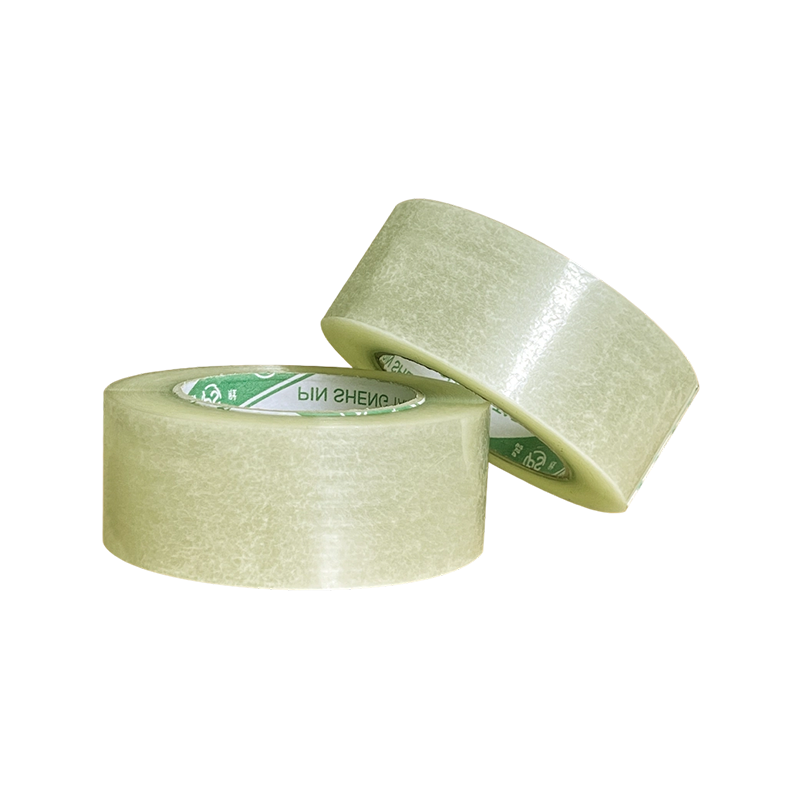

CONTACT DETAILS
- Address:No. 241, Yaojiafan, Zhangpanqiao, Shushan Street, Xiaoshan District, Hangzhou City, Zhejiang Province, China
- TEL:+86-0571-83175630
- Phone:+86-13336160217
- Email:[email protected]
- WeChat/WhatsApp:+86-18058115265
PRODUCTS
NEWS CENTER
MOBILE TERMINAL
Copyright© Zhejiang Geruite Packaging Materials Co., Ltd. All Rights Reserved.
Privacy Wholesale industrial packaging tape Manufacturers