-
 +86-0571-83175630
-
 [email protected]

 English
  Español
  عربى
عربى 
Kraft Paper Tape Types, Uses and Benefits Explained
Content
What Is Kraft Paper Tape
Kraft paper tape is a shipping tape made from kraft paper — a strong, brown paper produced through the kraft pulping process — combined with an adhesive that bonds it to cardboard. Once applied and set, it forms a strong, near-permanent bond with the corrugated fibers of a box, which is why it's often described as creating a bond stronger than the box itself.
Two main adhesive types are sold under the "kraft paper tape" umbrella: water-activated tape, which uses a starch-based adhesive that bonds when moistened, and pressure-sensitive kraft tape, which uses a rubber- or acrylic-based adhesive that sticks on contact, similar to standard plastic packing tape but on a paper backing. The distinction matters because the two behave very differently in application and bond strength, covered in detail below.
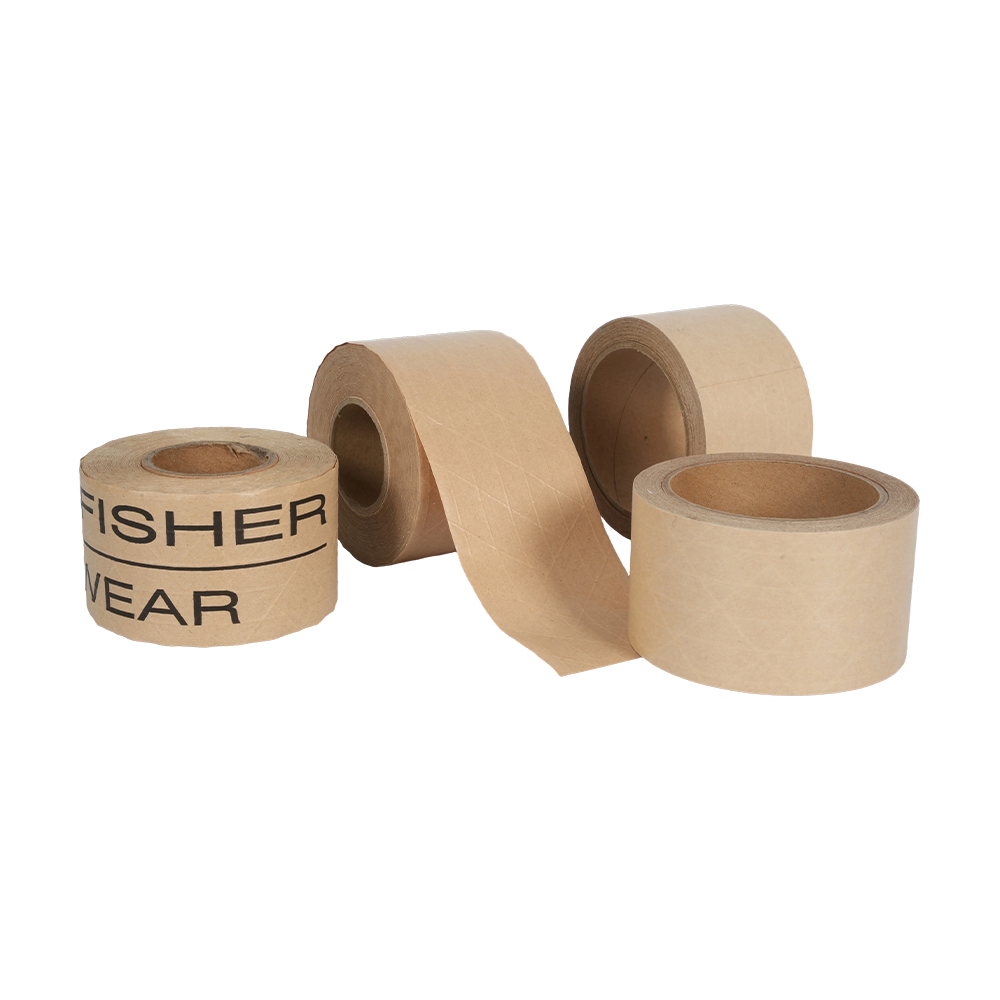
Water Activated Tape vs Pressure Sensitive Tape
| Factor | Water Activated Tape | Pressure Sensitive Tape |
|---|---|---|
| Adhesive activation | Moistened with water before application | Sticks immediately on contact |
| Bond strength | Fiber-to-fiber bond, very difficult to remove once set | Surface bond, can be peeled off box surface |
| Equipment needed | Tape dispenser with water reservoir | Standard handheld or automatic tape dispenser |
| Best for | High-volume shipping, tamper-evident sealing | Lower volume, quick application without equipment |
Water activated and pressure sensitive kraft tape compared across key application factors.
The bond-strength difference comes down to chemistry: water-activated tape's starch adhesive actually penetrates and fuses with the cardboard's paper fibers as it dries, creating a bond that tears the box before it releases the tape. Pressure-sensitive tape's adhesive sits on the surface, which makes it faster to apply without special equipment but easier to peel back, and more prone to lifting in cold storage or during long transit.
How to Use Water Activated Tape
Water activated tape (also called gummed paper tape) requires a dispenser that wets the tape's adhesive backing just before it's applied to the box:
- Load the tape roll into a water-activated tape dispenser and fill the water reservoir, which most manual and electric dispensers include.
- Pull the tape through the dispenser's wetting brush or roller, which moistens the starch adhesive as the tape feeds out.
- Apply the moistened tape directly to the box seam with firm, even pressure, since the adhesive needs contact pressure to begin bonding with the cardboard fibers.
- Hold or press the tape briefly after application, especially at the ends, to ensure full contact before the adhesive sets.
- Allow a few seconds of set time before stacking or moving the box, since the fiber bond strengthens as the moisture dries.
Manual dispensers work well for lower-volume packing, while electric dispensers speed up high-volume operations by automatically wetting, cutting, and dispensing pre-measured lengths of tape.
Benefits of Kraft Paper Tape
- Stronger fiber bond — water-activated kraft tape fuses with the box itself, making it far more resistant to seam failure during transit than surface-adhered plastic tape.
- Tamper evidence — because the bond tears the box fibers rather than releasing cleanly, any attempt to remove and reapply the tape leaves visible damage, making tampering easy to spot.
- Printability — kraft tape takes branding and print well, giving businesses a clean surface for logos or handling instructions without a separate label.
- Recyclability — paper tape can go through standard cardboard recycling streams along with the box, unlike plastic tape, which typically needs to be removed first.
- Reduced storage volume — kraft tape rolls are generally thinner and lighter than plastic tape of comparable length, taking up less shelf space in a packing operation.
Kraft Paper Tape vs Plastic Tape
Plastic tape (typically BOPP or PVC film with an acrylic or hot-melt adhesive) remains common because it's inexpensive, widely available, and requires no water or special dispenser. But it falls short of kraft paper tape on several practical measures relevant to shipping operations:
- Plastic tape's surface adhesive bond is weaker over time than kraft tape's fiber bond, and it's more prone to lifting at the edges in temperature swings or high humidity.
- Plastic tape must be manually removed before a box can go into standard cardboard recycling, adding a step that's often skipped, which contaminates recycling streams.
- Plastic tape can be cut and reapplied without visible damage, which does not offer the same tamper-evidence that water-activated kraft tape provides.
- Kraft tape is generally reinforced with fiberglass filament for heavier loads, offering a puncture- and tear-resistance option that most standard plastic tape doesn't match at comparable thickness.
Reinforced Kraft Paper Tape for Heavier Shipments
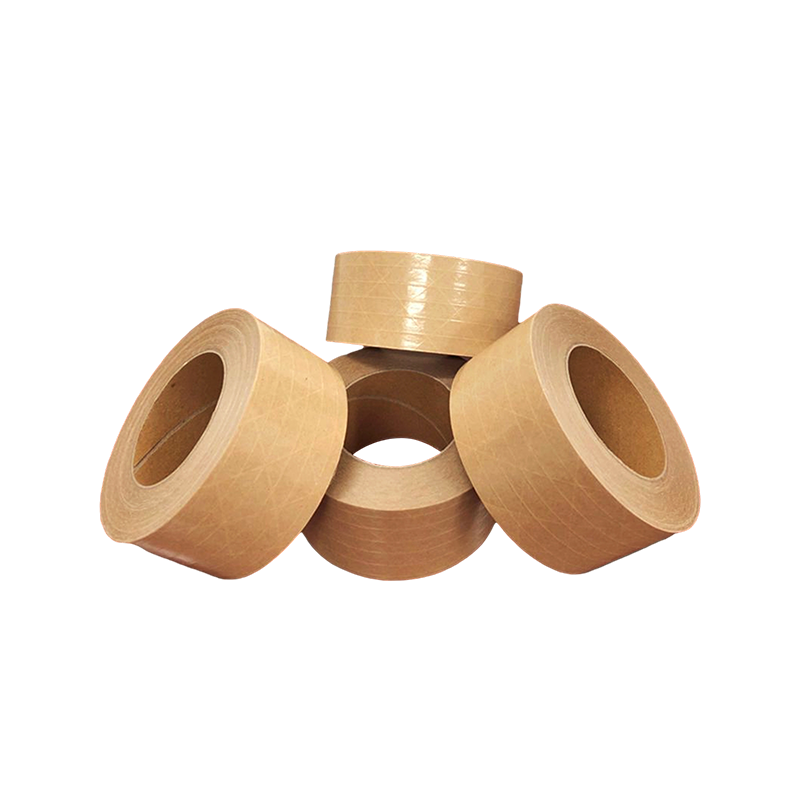
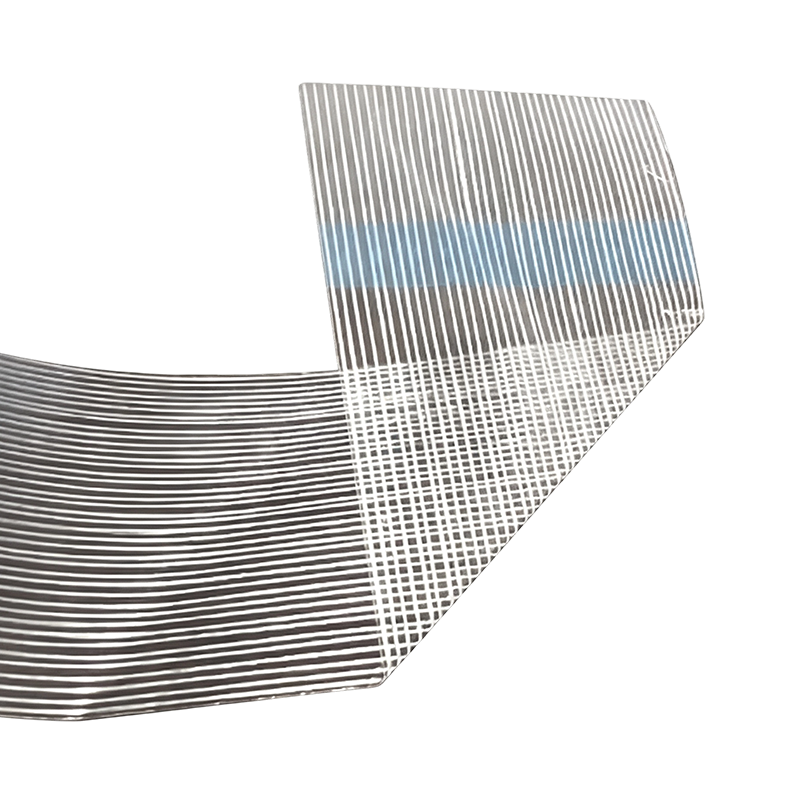
Reinforced kraft paper tape adds fiberglass filament strands embedded within or beneath the paper layer, running lengthwise along the tape. This filament dramatically increases tensile strength and puncture resistance compared to standard kraft tape, making it suitable for heavier boxes, irregular or bulky items, and shipments that need extra assurance the seal will hold through multiple handling points.
Reinforced tape is typically specified by tensile strength rating, and heavier-duty grades are commonly used for export cartons, palletized shipments, and any load where box failure in transit would be costly. It still bonds the same way as standard water-activated tape, fusing with the box fibers, but the added filament resists tearing under stress that would break unreinforced paper tape.
Eco Friendly and Recyclable Packaging Tape
For businesses prioritizing sustainable packaging, kraft paper tape is generally the more compatible choice with recyclable and curbside cardboard recycling programs, since paper tape and corrugated cardboard are the same base material and can be processed together without separation. Look for kraft tape made with a starch-based (rather than synthetic) adhesive to keep the entire tape — paper and adhesive — compatible with standard paper recycling.
Some kraft tape products also carry FSC (Forest Stewardship Council) certification, indicating the paper was sourced from responsibly managed forests, which is a relevant credential for businesses reporting on packaging sustainability or responding to customer sustainability requirements.
LATEST POST
Let’s create something amazing together
contact us
CONTACT DETAILS
- Address:No. 241, Yaojiafan, Zhangpanqiao, Shushan Street, Xiaoshan District, Hangzhou City, Zhejiang Province, China
- TEL:+86-0571-83175630
- Phone:+86-13336160217
- Email:[email protected]
- WeChat/WhatsApp:+86-18058115265
PRODUCTS
NEWS CENTER
MOBILE TERMINAL
Copyright© Zhejiang Geruite Packaging Materials Co., Ltd. All Rights Reserved.
Privacy Wholesale industrial packaging tape Manufacturers