-
 +86-0571-83175630
-
 [email protected]

 English
  Español
  عربى
عربى 
Thick Clear Packing Tape: Industrial Buyer's Guide
Content
A carton that pops open mid-transit is rarely a box problem — it's a tape problem. Thick Clear Packing Tape exists specifically for the packages standard tape can't hold: heavier loads, longer transit times, and rougher handling. Here's how to specify it correctly.
What Thick Clear Packing Tape Is
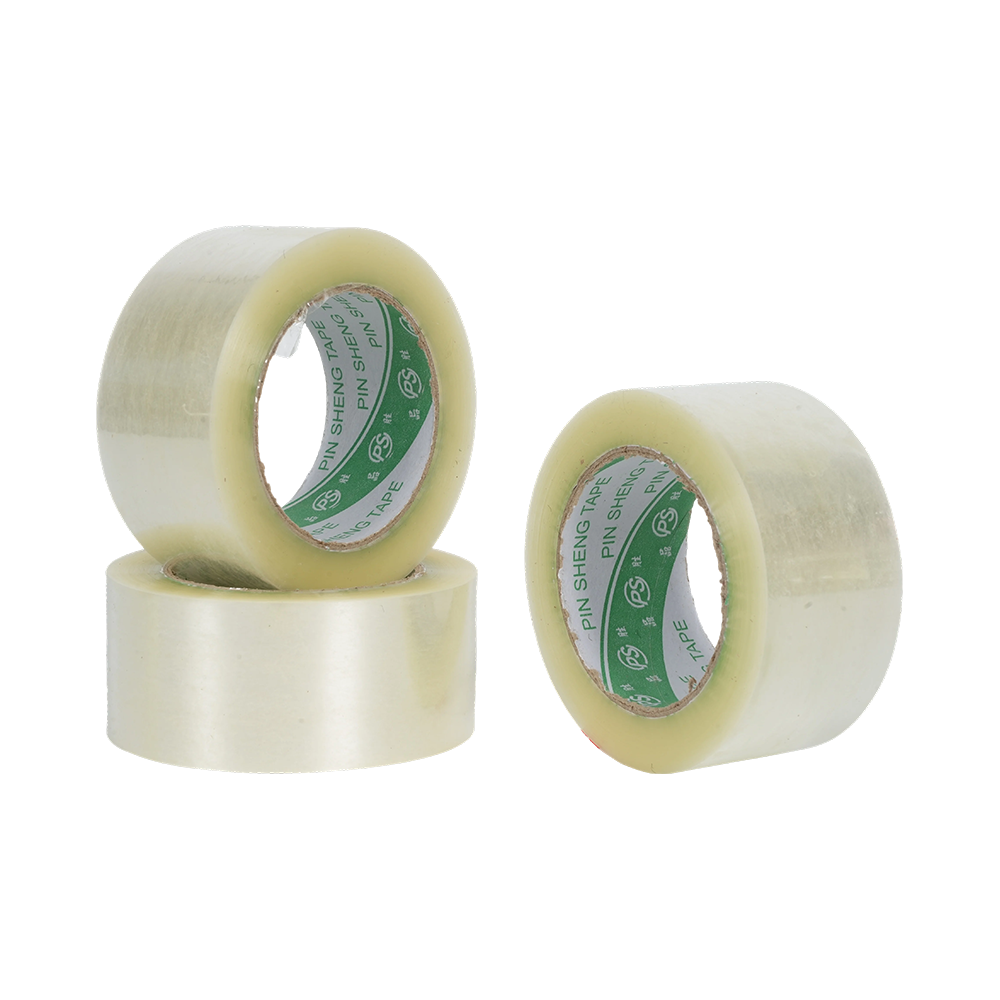
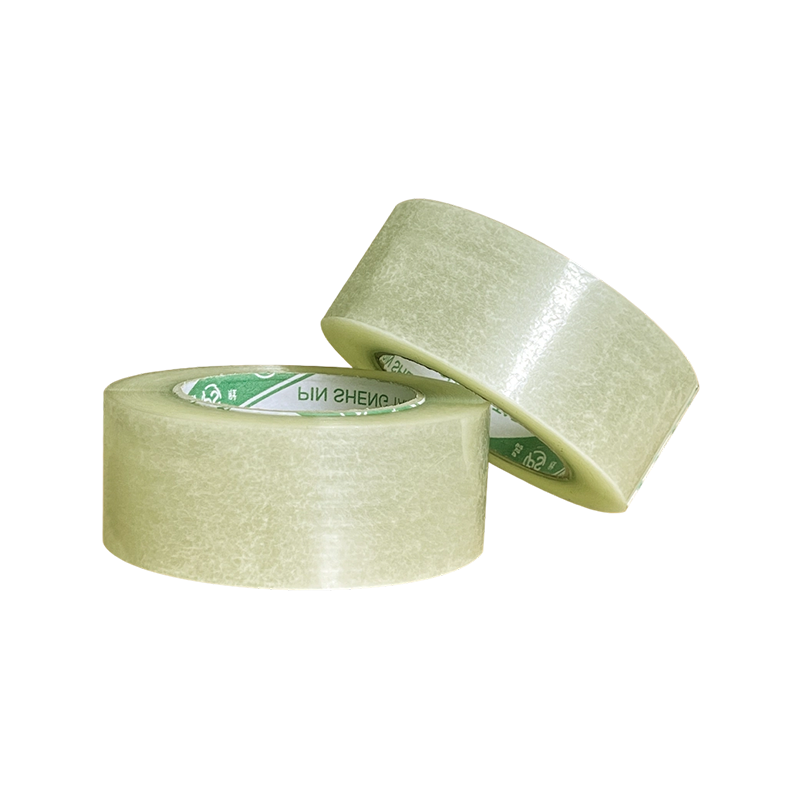
Thick Clear Packing Tape is a transparent adhesive tape built with a heavier BOPP film backing and a higher-performance adhesive layer than standard carton tape. The extra film thickness is what raises tear resistance and load-holding capacity, not just the adhesive strength. It seals cartons, secures shipments, and keeps packaging closed through the handling a normal light-duty tape can't survive.
How the Seal Actually Holds
Applied pressure activates the adhesive layer, which bonds directly with the carton fibers rather than just sitting on the surface. The backing film then carries the mechanical load, resisting tearing and stretching during transit. Four variables decide whether that bond holds under real shipping stress: adhesive formulation, film thickness, surface compatibility with the carton material, and the pressure applied at sealing.
Thicker tape does not automatically mean stronger sealing. A poorly formulated adhesive on a thick film still fails early — thickness improves tear resistance, but adhesion quality is a separate spec that needs its own verification.
What to Verify Before Ordering
- Tape thickness — confirm the actual micron rating, not just a "heavy duty" label
- Peel adhesion — check test data rather than relying on a supplier's marketing claim
- Tensile strength — matters most for heavier cartons and long-distance transit
- Temperature resistance — relevant if cartons pass through variable storage or container conditions
- Transparency grade — needed if labels or printed information must stay visible through the tape
Where It Gets Used
Manufacturers rely on it for carton sealing and finished-product transportation. Warehouses and distribution centers use it across daily packing operations where consistency across thousands of cartons matters more than any single roll. E-commerce fulfillment teams use it to keep parcels sealed through last-mile handling, food and consumer goods packaging uses it for secondary cartons, and export operations depend on it for the longer transit times and rougher handling that international shipping and container loading involve.
Thick Clear Packing Tape vs Standard Packing Tape
| Factor | Thick Clear Packing Tape | Standard Packing Tape |
| Holding strength | Higher, built for heavier loads | Adequate for light packages |
| Tear resistance | Stronger film backing | More prone to tearing |
| Sealing failures | Fewer, under demanding transit | More likely on heavy or long-haul shipments |
| Unit cost | Higher upfront cost | Lower upfront cost |
| Best fit | Industrial, export, heavy cartons | General household, light packaging |
Matching Tape to Your Packaging Line
Start from package weight and transportation conditions, since a domestic parcel and a container export shipment need different thickness and adhesive specifications entirely. Confirm the tape is compatible with your carton material and, if you run automatic dispensers, with your application equipment. Ask suppliers for technical data sheets and independent test reports rather than accepting a generic "heavy duty" description, and if branding matters, confirm logo printing and custom width options up front rather than after the first production run.
Frequently Asked Questions
What thickness counts as "thick" for clear packing tape?
Heavy-duty grades commonly fall in the 40 to 55 micron range for total tape thickness, though exact ratings vary by manufacturer and should be confirmed against a technical data sheet.
Does thicker tape always mean stronger sealing?
Not by itself. Film thickness mainly improves tear resistance; adhesion strength depends on the adhesive formulation, so both specs need to be checked independently.
Can thick clear packing tape be used with automatic tape dispensers?
Yes, most heavy-duty clear tape is designed to work with both manual and automatic dispensing equipment, but it's worth confirming compatibility with your specific machine.
Is thick clear packing tape suitable for export shipments?
Yes, its higher tensile strength and tear resistance make it well suited to the longer transit times and rougher handling typical of international and container shipping.
 |
LATEST POST
Let’s create something amazing together
contact us

CONTACT DETAILS
- Address:No. 241, Yaojiafan, Zhangpanqiao, Shushan Street, Xiaoshan District, Hangzhou City, Zhejiang Province, China
- TEL:+86-0571-83175630
- Phone:+86-13336160217
- Email:[email protected]
- WeChat/WhatsApp:+86-18058115265
PRODUCTS
NEWS CENTER
MOBILE TERMINAL
Copyright© Zhejiang Geruite Packaging Materials Co., Ltd. All Rights Reserved.
Privacy Wholesale industrial packaging tape Manufacturers