-
 +86-0571-83175630
-
 [email protected]

 English
  Español
  عربى
عربى 
BOPP Tape & Label Material Explained: Properties, Types & Sourcing Guide
Content
- 1 What Is BOPP? The Material Behind Modern Packaging Tape and Labels
- 2 BOPP Tape: Construction, Types, and Industrial Uses
- 3 What Is Clear BOPP? Optical Performance and Application Fit
- 4 BOPP Label Material: What It Means and Why It Matters
- 5 Biaxially Oriented Polypropylene Tape vs. Other Packaging Tapes
- 6 Key Specification Parameters When Sourcing BOPP Tape or Label Stock
What Is BOPP? The Material Behind Modern Packaging Tape and Labels
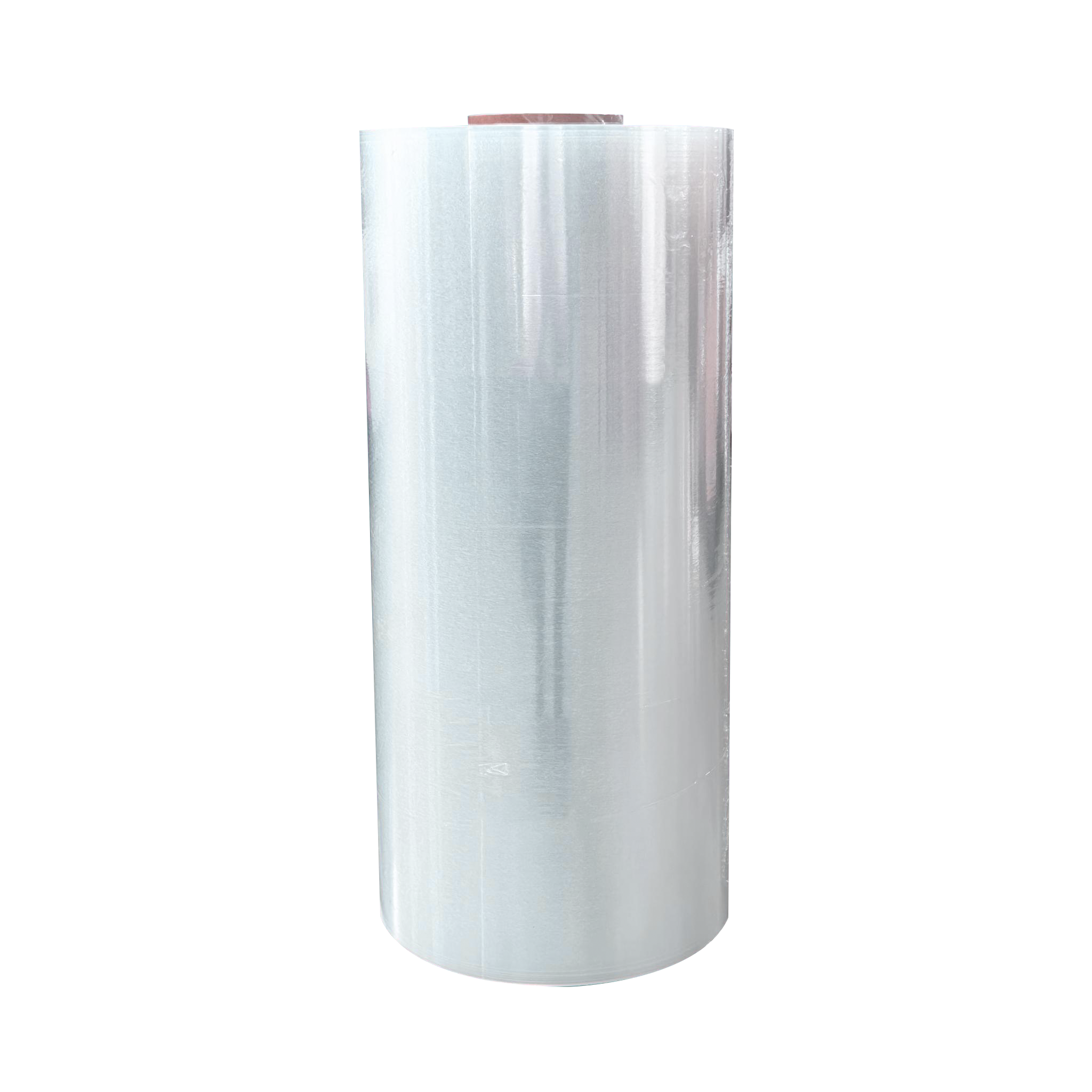
BOPP stands for Biaxially Oriented Polypropylene — a thermoplastic polymer film produced by stretching polypropylene in two perpendicular directions (machine direction and transverse direction) simultaneously or sequentially. This biaxial orientation process restructures the molecular chains of the polymer, producing a film that is substantially stronger, clearer, and more dimensionally stable than standard cast polypropylene (CPP).
The manufacturing process typically involves extruding molten polypropylene into a flat sheet, then stretching it 4–6× in each axis at temperatures just below the melting point. The result is a film with a well-aligned crystalline structure that gives BOPP its defining combination of mechanical strength, low moisture permeability, and optical clarity.
BOPP films are used across a wide range of industrial and consumer applications — most notably as the base substrate for pressure-sensitive adhesive tapes and self-adhesive labels. Its low surface energy requires corona treatment or primer coating before printing inks or adhesives can bond effectively, which is standard practice in commercial production.
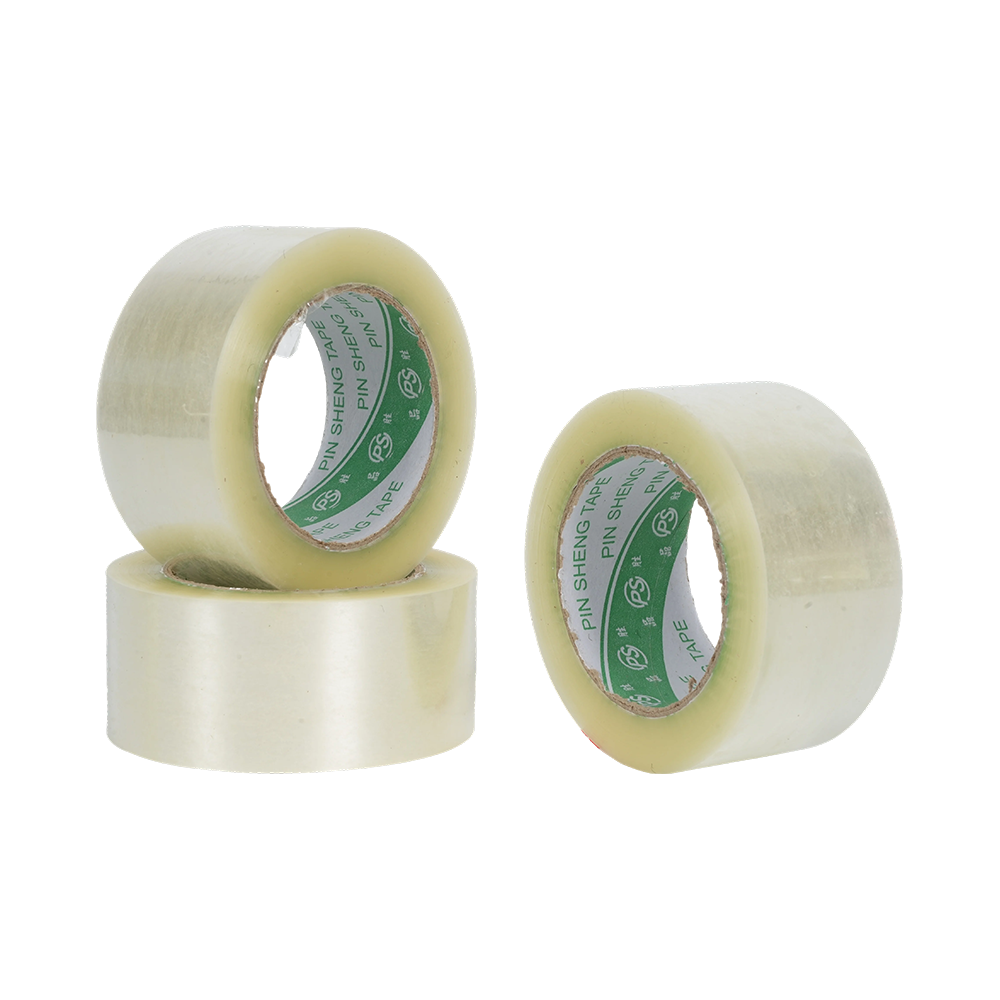
BOPP Tape: Construction, Types, and Industrial Uses
BOPP tape is a pressure-sensitive adhesive tape made from a BOPP film backing coated with an acrylic or hot-melt adhesive layer. It is the most widely used carton sealing tape globally, valued for its tensile strength, resistance to moisture and temperature variation, and compatibility with both manual and automated dispensing equipment.
Common BOPP Tape Variants
- Clear BOPP tape — the standard transparent version; widely used in e-commerce and warehouse fulfillment for a clean, low-profile seal
- Brown/tan BOPP tape — matches corrugated carton color; preferred in industrial shipping and logistics where appearance is secondary to cost
- Printed BOPP tape — carries brand names, handling instructions ("FRAGILE," "THIS SIDE UP"), or security patterns; one of the most cost-effective forms of branded packaging
- Low-noise/silent BOPP tape — engineered for quieter unwind; increasingly specified in packaging lines operating in noise-sensitive environments
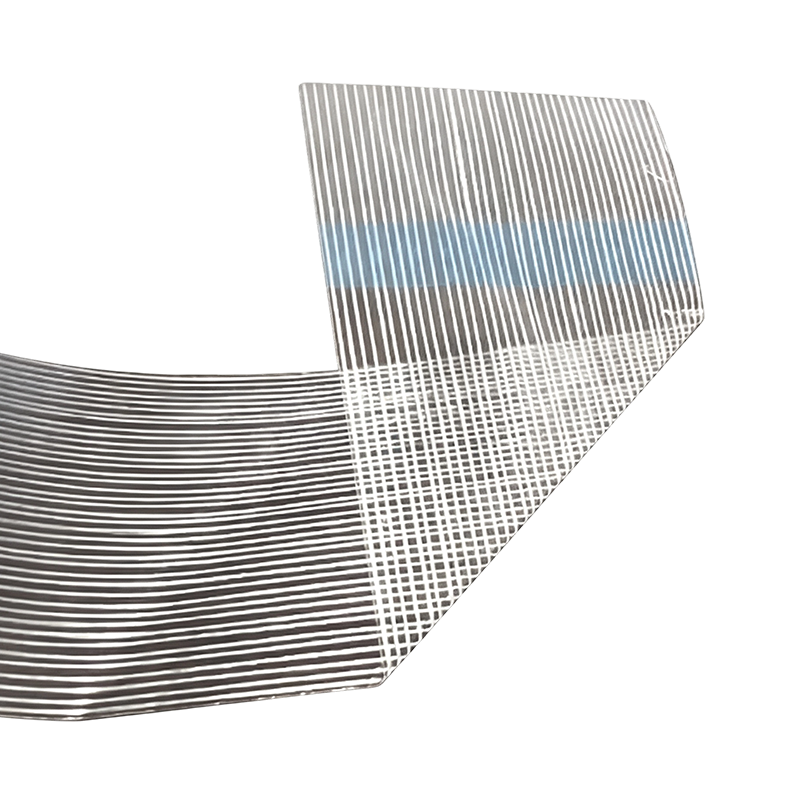
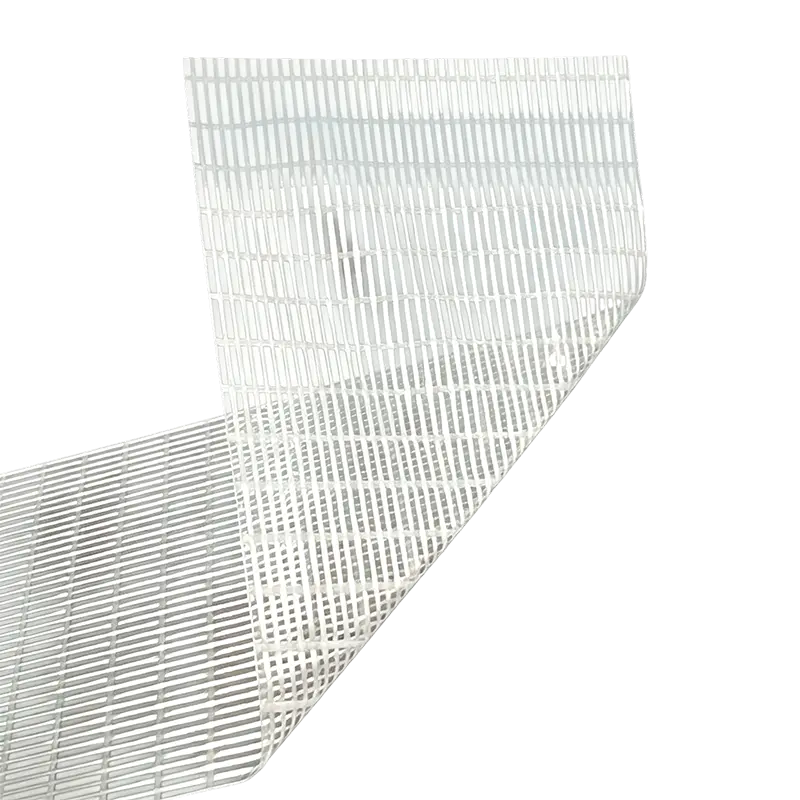
- Reinforced BOPP tape — cross-woven or filament-embedded for heavy-duty bundling and strapping applications
Standard commercial BOPP tape runs 40–50 microns in film thickness, though industrial grades can exceed 60 microns. Adhesive peel strength and tack level vary by adhesive system: acrylic adhesives offer better long-term aging performance and UV resistance, while hot-melt adhesives provide stronger initial tack at lower temperatures.
| Property | BOPP Tape (Acrylic) | BOPP Tape (Hot-Melt) |
|---|---|---|
| Initial Tack | Medium | High |
| Aging Resistance | Excellent | Good |
| UV Resistance | High | Moderate |
| Low-Temp Performance | Moderate | Better |
| Noise on Unwind | Lower | Louder |
| Typical Cost | Slightly Higher | Lower |
What Is Clear BOPP? Optical Performance and Application Fit
Clear BOPP refers to a transparent, uncoated or lightly coated BOPP film (or tape/label made from it) with high light transmittance, typically above 90%. The biaxial orientation process produces a more uniform crystalline structure than cast films, which minimizes haze and allows the underlying surface — whether a carton, product label, or packaging film — to remain visible through the tape or label face.
In the context of packaging tape, clear BOPP is favored by:
- E-commerce fulfillment operations that need a clean, professional sealed box without visible tape lines
- Retail-ready packaging where shelf appearance matters
- Applications where pre-printed box artwork or barcodes must remain scannable through the tape
In label stock, clear BOPP creates a "no-label look" — the label appears to be printed directly onto the product surface. This is particularly common in food and beverage, personal care, and premium consumer goods packaging where brand presentation is a differentiating factor.
It is important to distinguish clear BOPP film from white BOPP film, which is pigmented with titanium dioxide to create an opaque white substrate. White BOPP labels offer better print contrast for high-resolution digital and flexographic printing, while clear BOPP trades some print vibrancy for transparency.
BOPP Label Material: What It Means and Why It Matters
BOPP label material refers to a self-adhesive label construction in which the facestock (the printable top layer) is a BOPP film rather than paper. The full construction typically consists of three layers: the BOPP facestock, a pressure-sensitive adhesive, and a release liner (silicone-coated paper or PET film).
The choice of BOPP as a label facestock provides several functional advantages over paper:
- Moisture resistance — BOPP does not absorb water and maintains dimensional stability in humid environments, refrigerated storage, and ice bucket applications
- Chemical resistance — resists exposure to oils, mild solvents, and cleaning agents encountered in food production and chemical packaging
- Tear resistance — BOPP film is significantly more tear-resistant than paper labels, reducing label damage during application and transport
- Conformability — thinner gauges of BOPP conform well to curved or irregular surfaces such as bottles and tubes
- Print quality — with appropriate surface treatment, BOPP accepts UV flexographic, digital, and thermal transfer printing with high image fidelity
BOPP Label Meaning in Industry Contexts
The term BOPP label or BOPP label meaning is frequently searched by procurement teams and packaging engineers who encounter material specifications in supplier datasheets or industry standards. In practice, a BOPP label designation indicates that the label is film-based rather than paper-based, and is suited for environments or applications where paper would degrade, tear, or lose adhesion.
BOPP labels are available in multiple finishes — gloss (high reflectivity, vivid color output), matte (anti-glare, premium appearance, better for handwriting), and silver/metallized (foil-like appearance without the cost of aluminum foil laminate). Each finish is produced by varying the surface coating applied after biaxial orientation.
Biaxially Oriented Polypropylene Tape vs. Other Packaging Tapes
Understanding what distinguishes biaxially oriented polypropylene tape from other common tape substrates helps procurement teams select the right specification for cost, performance, and sustainability targets.
- BOPP vs. PVC tape — PVC (polyvinyl chloride) tape offers better conformability and cold-temperature performance but carries environmental concerns due to chlorine content and plasticizer migration. BOPP is now the preferred alternative in markets with packaging material restrictions.
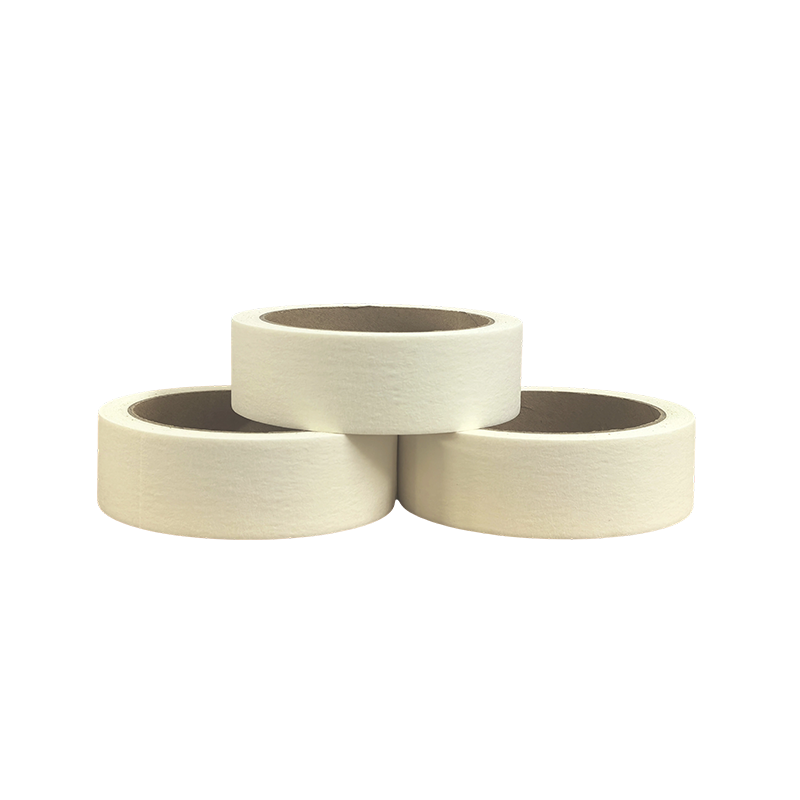
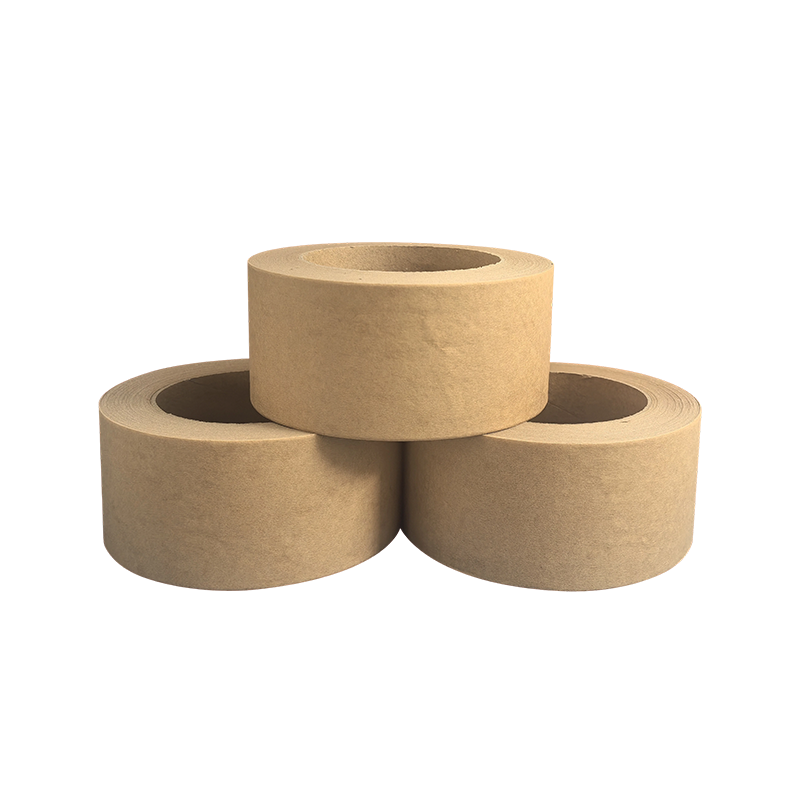
- BOPP vs. paper tape — Water-activated kraft paper tape forms a stronger fiber bond to corrugated cartons and is easier to recycle in paper streams. BOPP tape, however, performs better in high-humidity environments and on lightly dusty or coated surfaces where paper tape adhesion can fail.
- BOPP vs. PET tape — PET (polyethylene terephthalate) film tape offers higher tensile strength and better heat resistance, suited for industrial bundling and battery pack assembly. BOPP tape remains the dominant choice for general carton sealing due to lower cost per unit length.
From a sustainability perspective, BOPP is a mono-material (when paired with an acrylic adhesive), which simplifies end-of-life recycling compared to composite tape constructions. Several European and North American brands have begun specifying mono-material BOPP tape as part of packaging recyclability commitments under EPR (Extended Producer Responsibility) frameworks.
Key Specification Parameters When Sourcing BOPP Tape or Label Stock
Buyers sourcing BOPP tape or label material for the first time — or qualifying new suppliers — should evaluate the following parameters to ensure product consistency and application fit:
- Film thickness (microns) — affects tensile strength, conformability, and material cost; typical BOPP tape backing: 28–50 µm; label facestock: 30–80 µm
- Adhesive type and coat weight — acrylic or hot-melt; coat weight (g/m²) determines peel strength and tack characteristics
- Surface treatment level — corona discharge treatment (measured in dynes/cm) affects ink adhesion and printability; minimum 38 dynes/cm typically required for solvent inks
- Tensile strength (N/25mm) — longitudinal and transverse values; critical for automated tape dispenser compatibility and carton integrity under compression
- Haze and gloss values — for label applications, optical properties directly affect shelf appeal and barcode scanability
- Temperature range — service temperature range for adhesion; relevant for cold-chain and high-temperature warehouse applications
- Core size and roll dimensions — 76 mm (3-inch) core is standard for automated sealing machines; 25 mm (1-inch) for handheld dispensers
Requesting a Technical Data Sheet (TDS) and Material Safety Data Sheet (MSDS/SDS) from any BOPP tape or label supplier is standard practice and allows direct comparison across competing products without relying solely on marketing claims.
LATEST POST
Let’s create something amazing together
contact us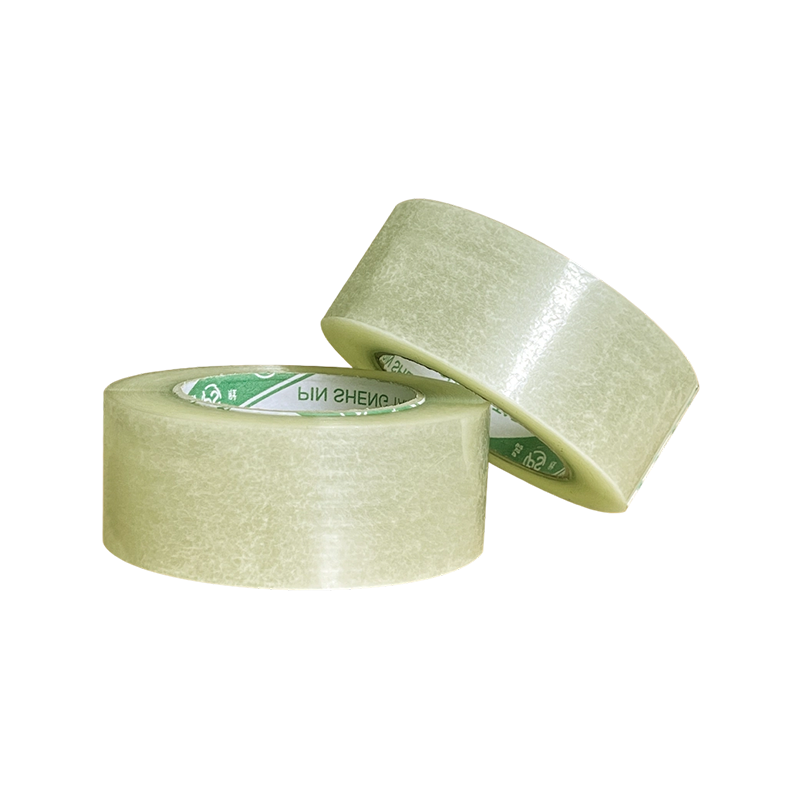
CONTACT DETAILS
- Address:No. 241, Yaojiafan, Zhangpanqiao, Shushan Street, Xiaoshan District, Hangzhou City, Zhejiang Province, China
- TEL:+86-0571-83175630
- Phone:+86-13336160217
- Email:[email protected]
- WeChat/WhatsApp:+86-18058115265
PRODUCTS
NEWS CENTER
MOBILE TERMINAL
Copyright© Zhejiang Geruite Packaging Materials Co., Ltd. All Rights Reserved.
Privacy Wholesale industrial packaging tape Manufacturers