-
 +86-0571-83175630
-
 [email protected]

 English
  Español
  عربى
عربى 
Adhesive Tape Suppliers
-
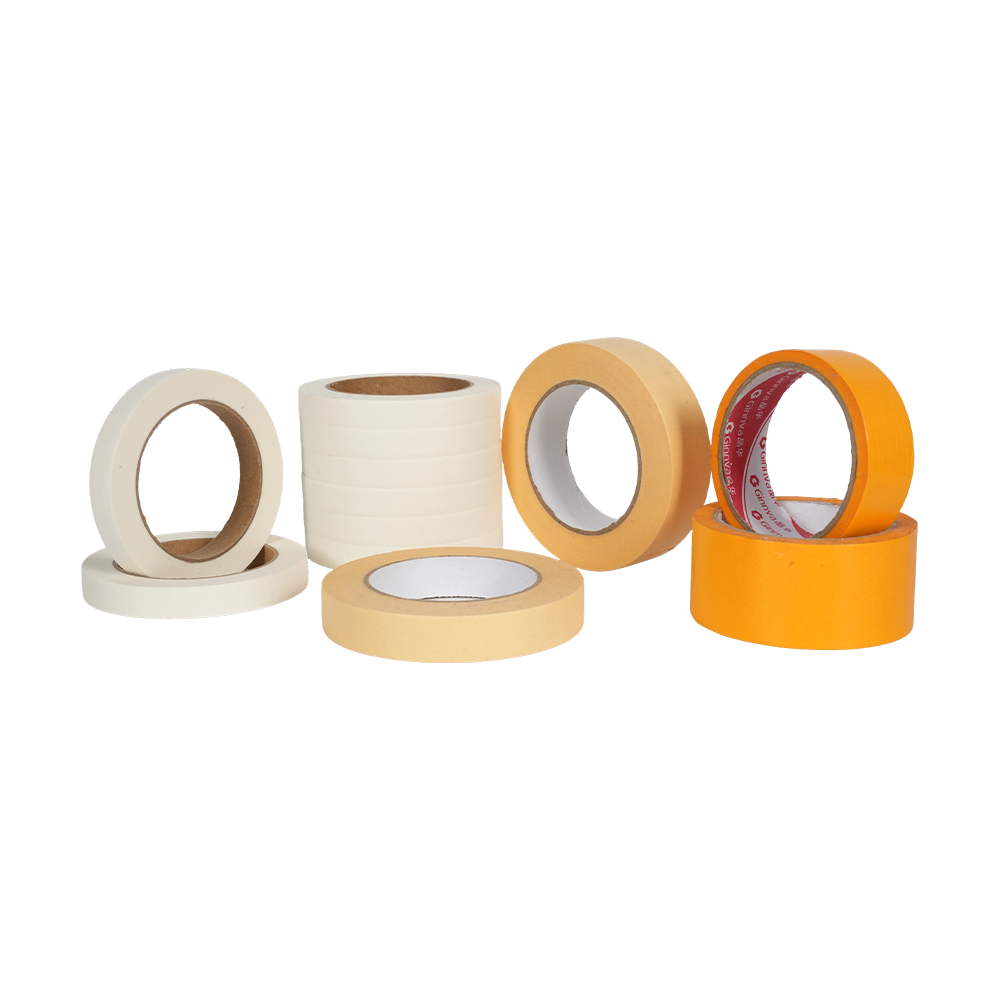
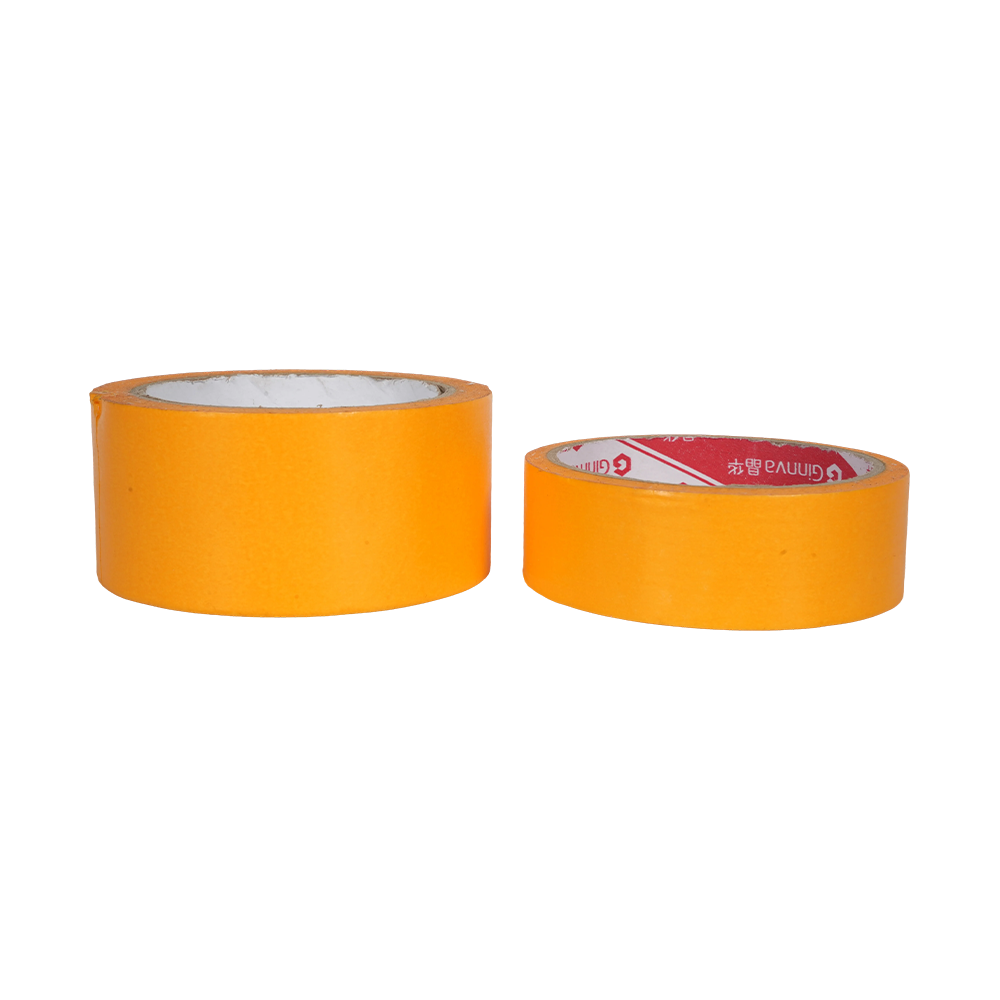
0.14MM Thickness Regular masking tape
-
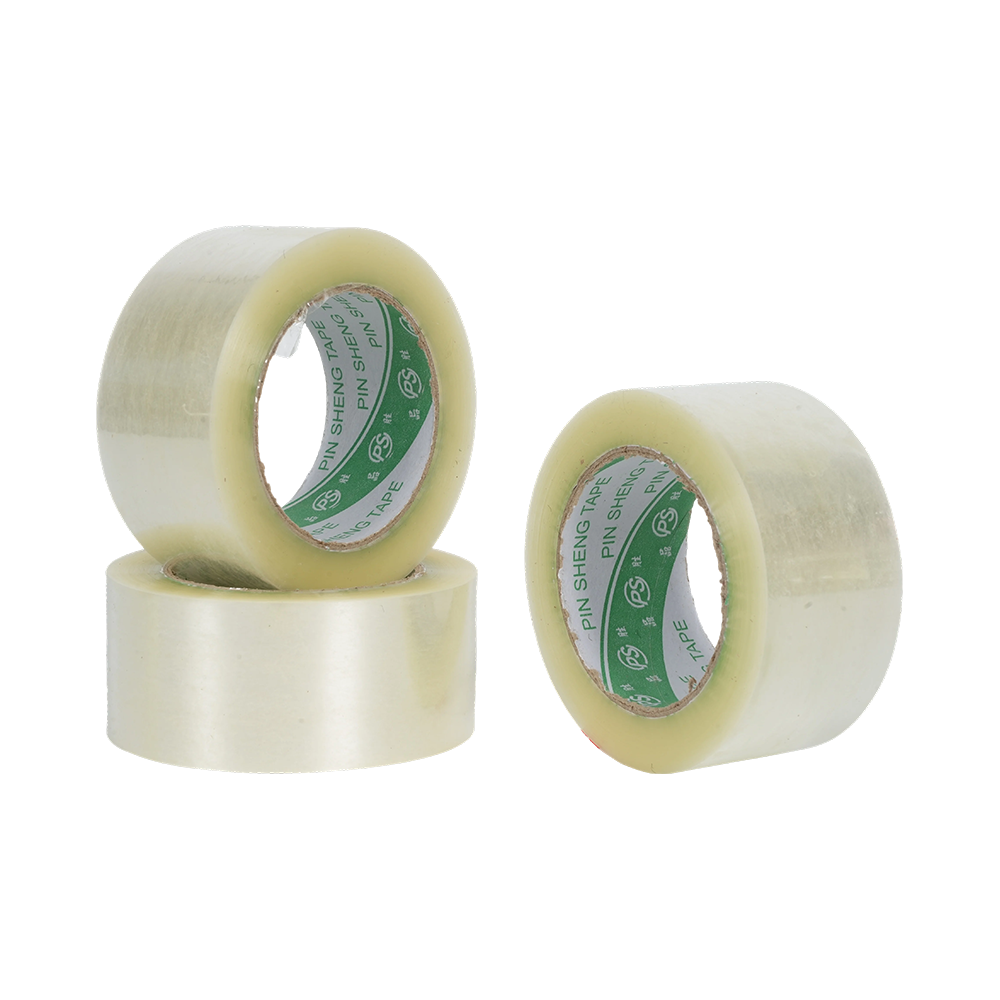
40UM-55UM Thickness clear packing tape rolls with logo
-
High-temperature resistant masking tape, crepe paper tape
-
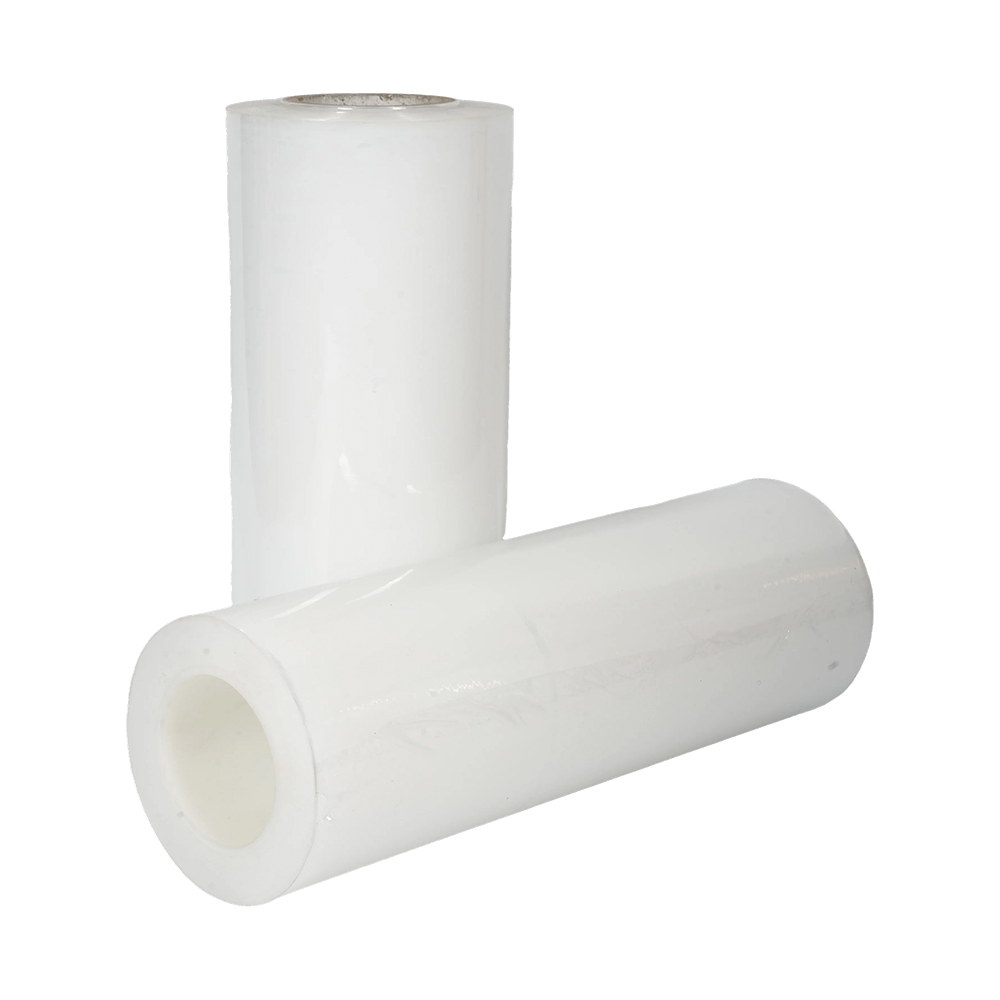
Transparent Protective Film Rolls, Clear PE Stretch Film
-
LY-XX Mylar Tape
-
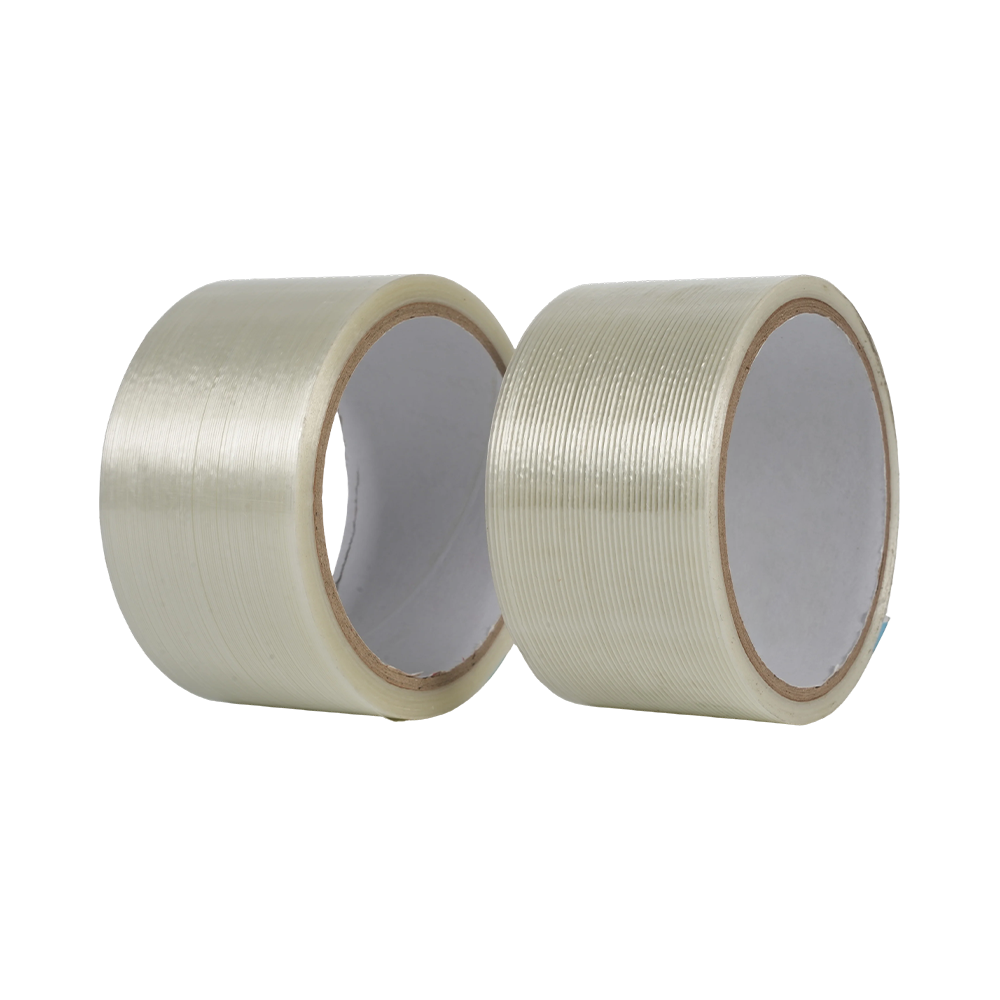
319-36 Ordinary striped fiberglass tape
-
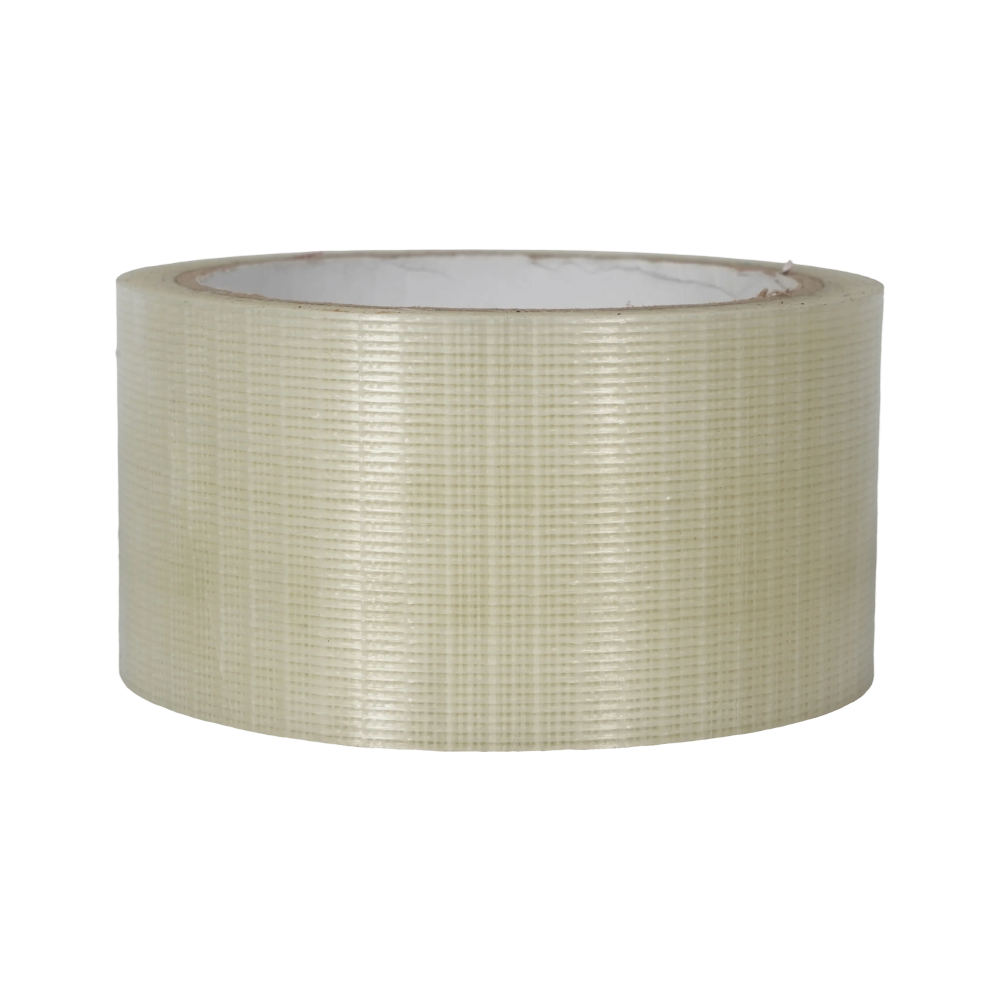
319-36 Fiberglass mesh tape
-
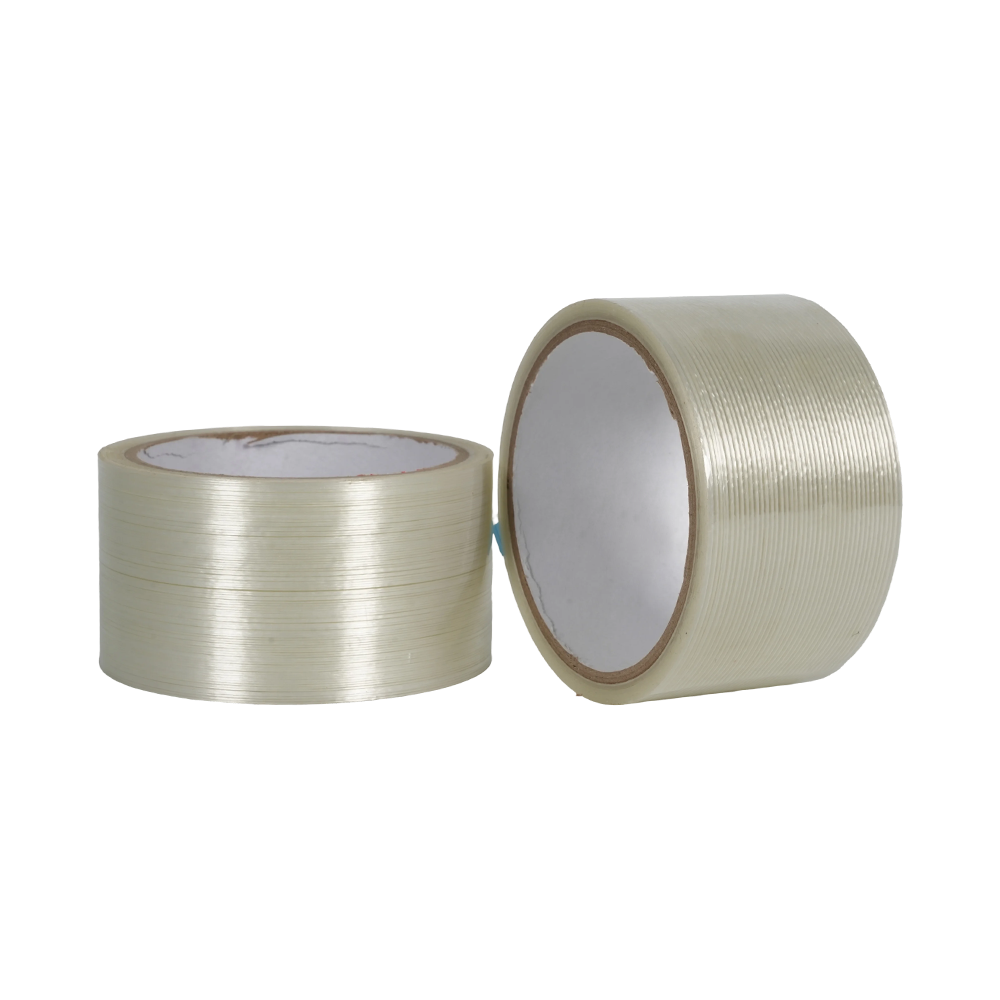
317G Low-residue fiberglass tape
-
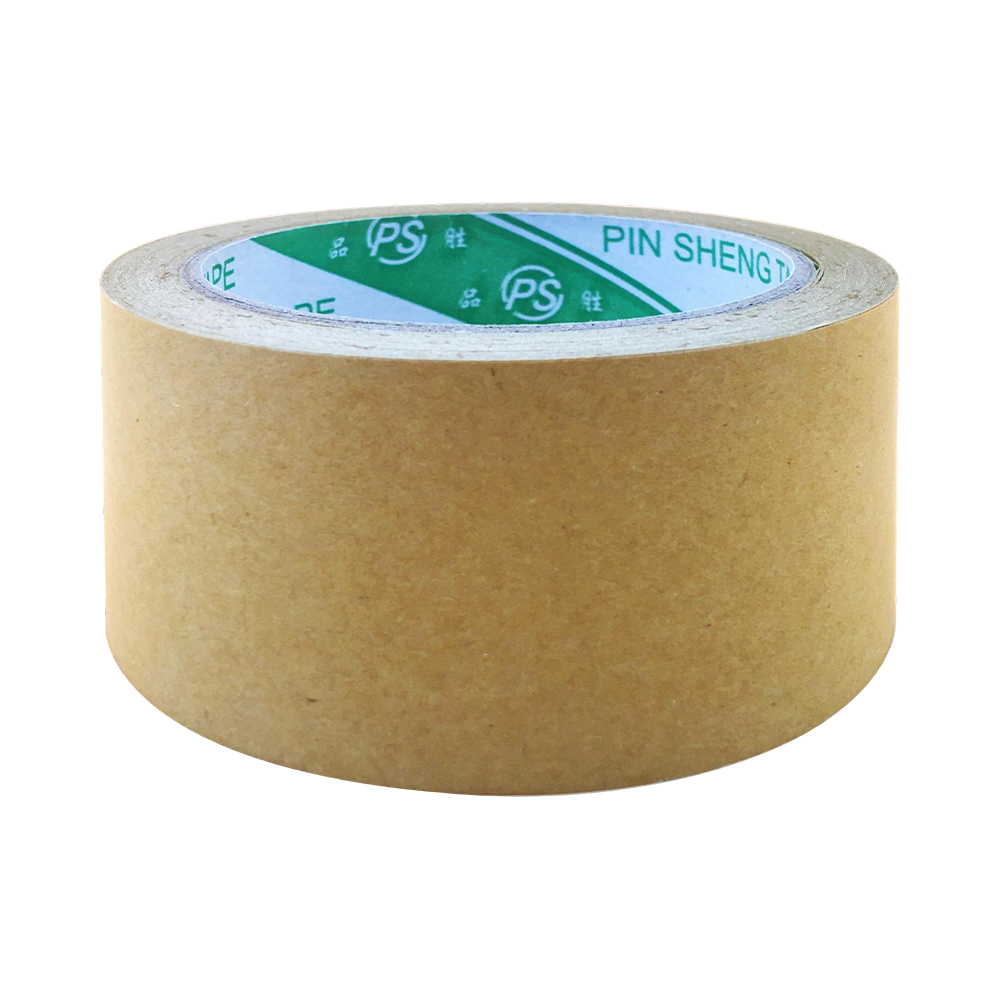
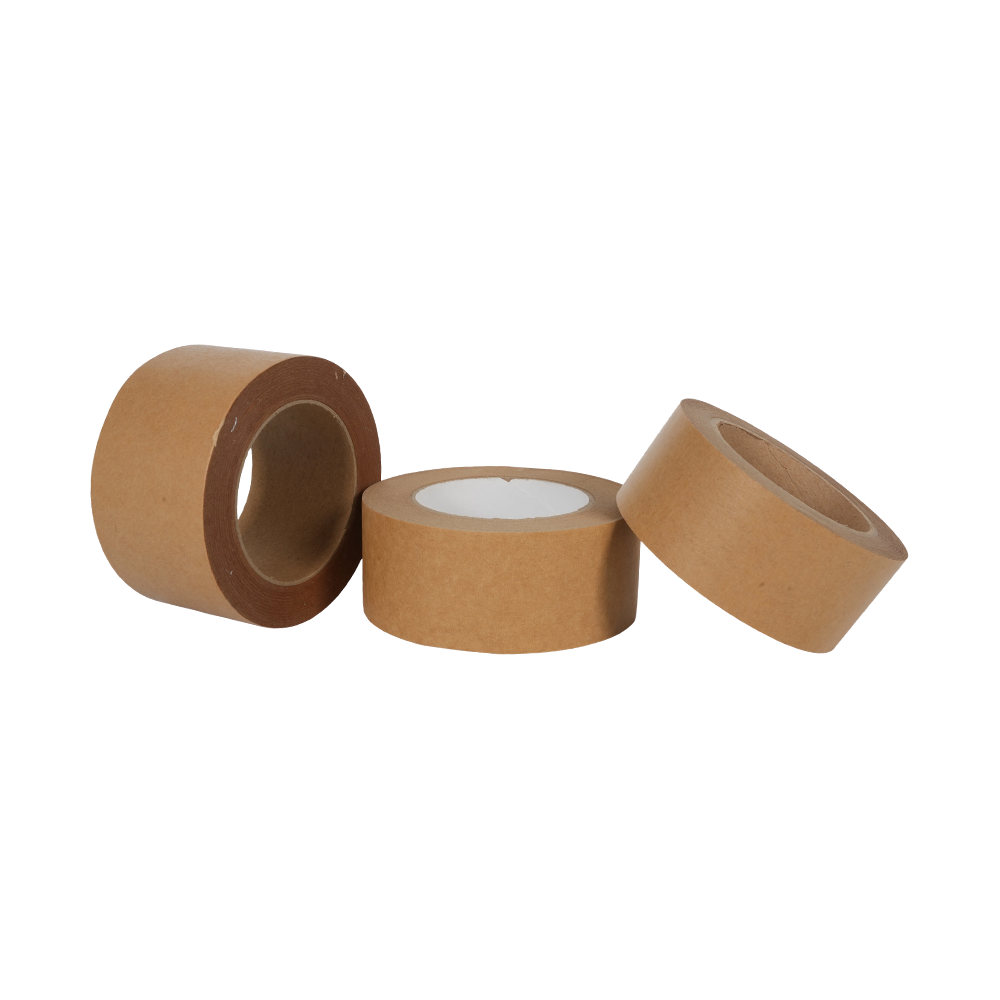
0.014MM Thickness Ordinary kraft paper tape
-
High viscosity, Tearable by hand Plastic-free kraft paper tape
-
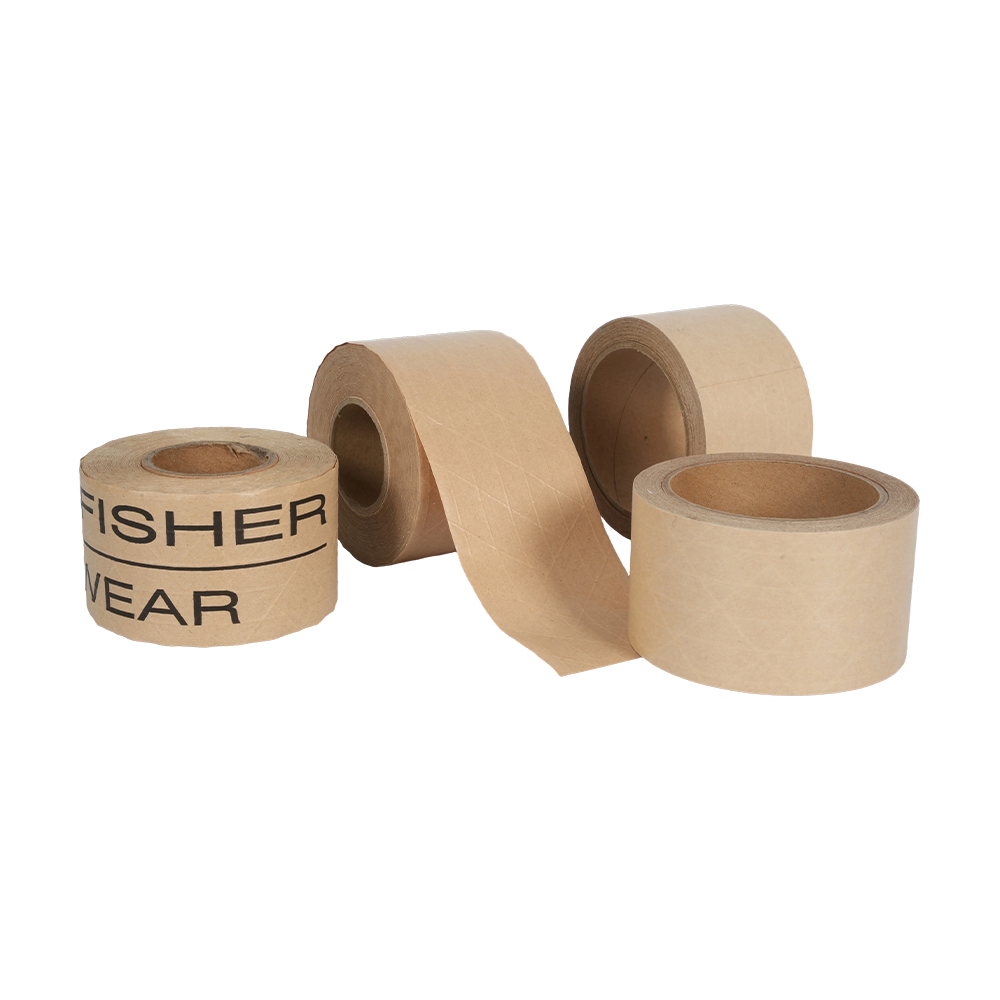
Wet water reinforced kraft paper tape
-
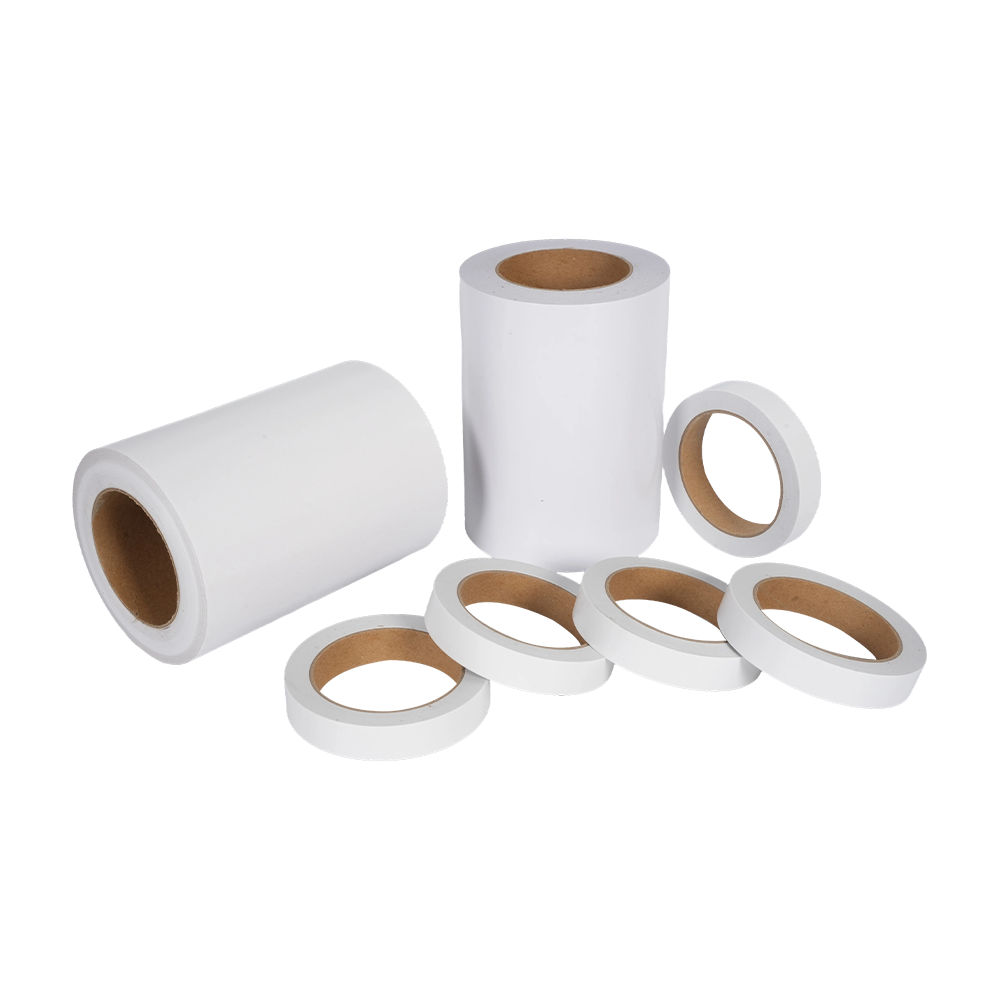
Ordinary double-sided tape

Honor
-
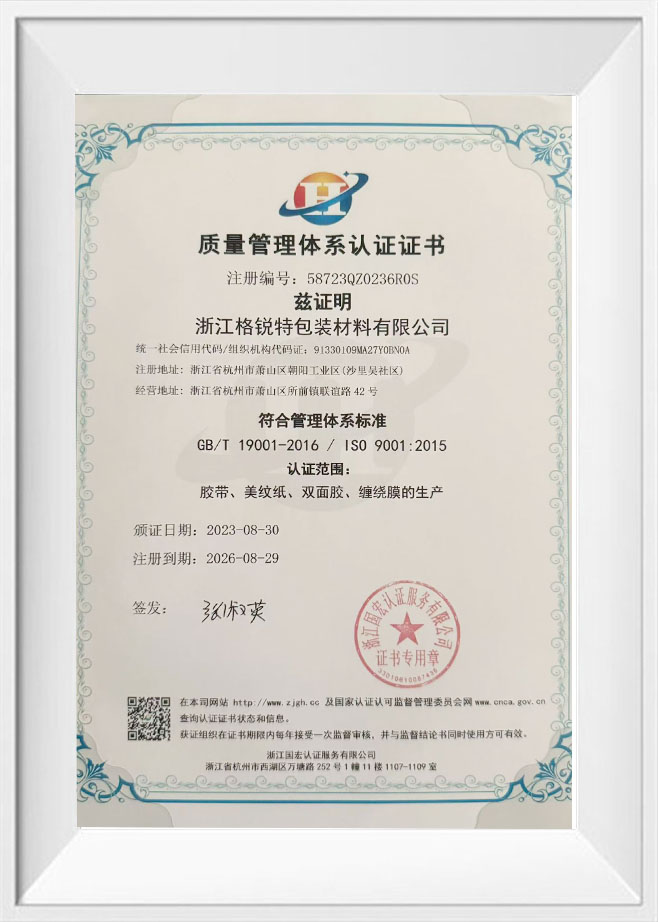 Quality Management System Certification Certificate
 -
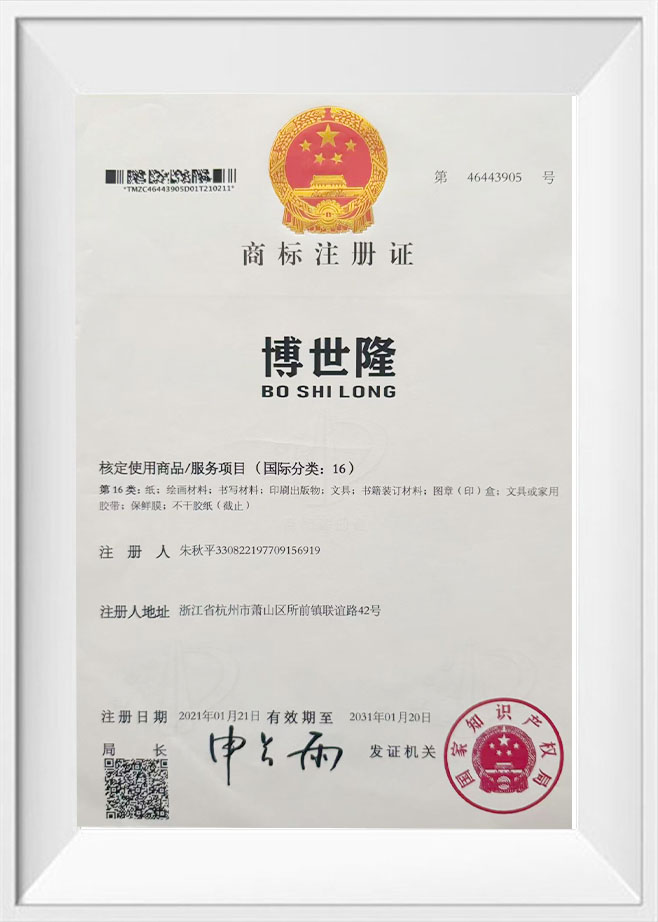 Trademark Registration Certificate
 -
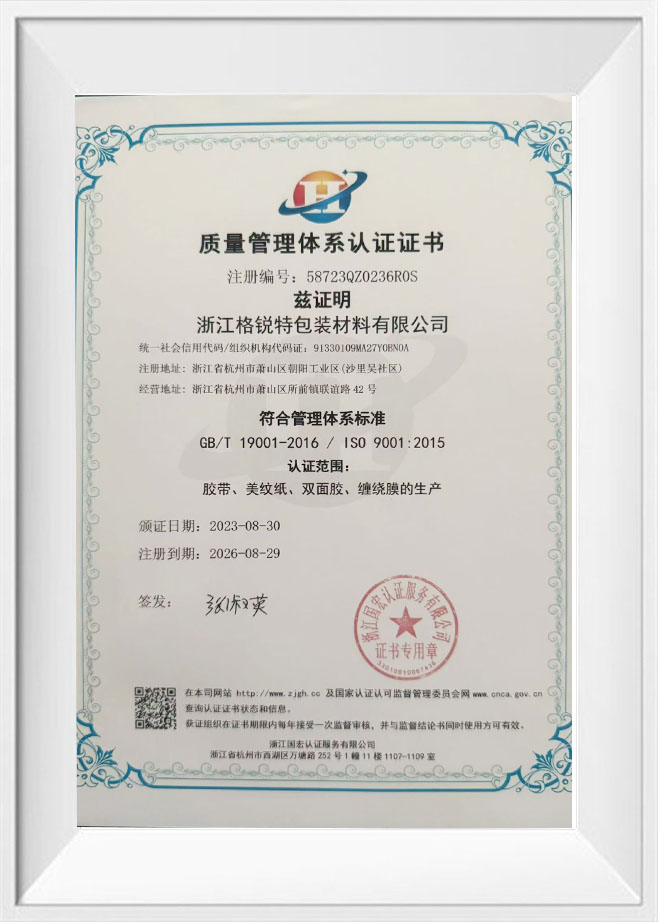 Quality Management System Certification Certificate
News
-
Company News 2026-03-31
Zhejiang Geruite Packaging Materials Co., Ltd., a leading packaging solution provider based in Zhejiang Province, has successfully shipped nine containers of transparent stretch film to Los Angeles. This export marks another milestone in the company's conti...
View More -
Industry News 2026-03-25
What Is Kraft Paper Tape and Why Does It Matter for Packaging? Kraft paper tape is a paper-based adhesive tape made from kraft pulp — a wood pulp processed through the kraft chemical method that produces strong, tear-resistant fibers. Unlike plastic-based tap...
View More -
Industry News 2026-03-25
What Painters Tape Actually Does — and Where Most Users Choose Wrong Painters tape is a pressure-sensitive masking tape engineered to protect surfaces during painting, finishing, and surface preparation. Its defining characteristic is clean removal without ad...
View More
Contact us now
Adhesive Tape Industry Knowledge Extension
Zhejiang Geruite Packaging Materials Co., Ltd., located in Zhejiang Province, is a professional packaging material manufacturer. The company boasts a comprehensive product line, primarily producing BOPP, masking tape, kraft paper, high-temperature resistant and metal tapes, while also offering PE stretch film, PP strapping, and PET plastic strapping. We are committed to providing reliable packaging solutions for the logistics, electronics, construction, and industrial manufacturing sectors. Adhering to a quality-first approach and continuously pursuing innovation, we strive to become a trusted partner for our clients through efficient service and stable product performance.
How Can You Choose the Right Adhesive Tape for Your Manufacturing Needs?
When selecting adhesive tape for manufacturing, what factors should you consider to ensure optimal performance and efficiency? Choosing the right adhesive tape can be the key to ensuring that your production line runs smoothly, that your products remain intact, and that you meet the required standards for quality. With countless types of adhesive tapes available, it is crucial to understand the various materials, properties, and uses to make an informed decision.
Types of Adhesive Tapes and Their Applications
Adhesive tapes come in various types, each suited for different applications in manufacturing. Below, we explore some of the most commonly used types of adhesive tapes and their functions:
| Type of Tape | Material | Common Uses | Features |
|---|---|---|---|
| Double-Sided Tape | Acrylic, Foam | Mounting, bonding, and sealing applications | High adhesion, holds heavy materials, no residue |
| Foam Tape | PE Foam, EVA Foam | Soundproofing, cushioning, sealing, insulation | Shock absorbent, weather-resistant, strong adhesion |
| Masking Tape | Paper, Crepe Paper | Surface protection during painting or coating | Easy removal, good adhesion, clean removal without residue |
| Polyester Tape | PET | Electrical insulation, cable bundling | High heat resistance, low electrical conductivity |
| Cloth Tape | Fabric-backed | Heavy-duty applications, electrical, automotive | Durability, flexibility, weather-resistant |
Each type of tape serves a unique purpose, and the choice will depend on factors such as bonding strength, resistance to heat or chemicals, and ease of removal.
Understanding Adhesive Materials
The adhesive material is the core component of any tape, and it greatly influences the tape’s performance. The most common adhesives used in manufacturing tapes are:
-
Acrylic Adhesives: Known for their durability, resistance to UV, and ability to stick well to a wide range of materials. Acrylic-based tapes are commonly used in applications requiring long-term adhesion and exposure to outdoor environments.
-
Rubber Adhesives: Offer strong initial adhesion and are typically used for light to medium-duty applications. They bond well to rough and uneven surfaces but may degrade when exposed to extreme temperatures.
-
Silicone Adhesives: Known for their ability to withstand high temperatures, silicone adhesives are ideal for applications that involve heat resistance, such as in the automotive or electronics industries.
-
Hot Melt Adhesives: Applied in industries where rapid bonding is essential. They are commonly used in packaging and labeling, offering quick initial tack.
Key Factors to Consider When Choosing Adhesive Tape
When selecting the right adhesive tape for your manufacturing needs, consider the following factors:
a) Bonding Strength
Bonding strength is one of the most critical factors when selecting adhesive tape. The tape must be able to withstand the weight, pressure, and stress exerted on it during the manufacturing process. Strong adhesion is especially important in applications where parts need to be held together permanently or for extended periods.
b) Surface Compatibility
Not all adhesive tapes are suitable for all surfaces. It is essential to choose a tape that is compatible with the materials you are working with. For example, tapes for metal surfaces may differ from those used on plastic or fabric. Always check the manufacturer’s recommendations to ensure optimal adhesion.
c) Temperature and Environmental Conditions
Different adhesive tapes are designed to perform in different temperature ranges. For instance, some tapes are ideal for high-temperature environments, while others are meant for cold or humid conditions. Choose a tape that will maintain its performance under the expected environmental conditions in your factory.
d) Removal and Residue
Consider whether you need a tape that can be easily removed without leaving residue or causing damage. This is particularly important in applications where the tape will not be a permanent fixture, such as in masking or temporary bonding.
Benefits of High-Performance Adhesive Tapes
Opting for high-performance adhesive tapes offers several advantages:
-
Longer Life Span: High-quality tape possesses superior durability, ensuring it remains long-lasting even in harsh environments.
-
Reduced Downtime: Using the correct adhesive tape minimizes the risk of defects or failures in the production process, reducing downtime and improving overall productivity.
-
Enhanced Cost Efficiency: While high-performance tapes might be priced higher than standard options, their long-lasting adhesive properties and superior performance can reduce the need for frequent replacements and lower production costs over time.
Why Choose Geruite?
Zhejiang Geruite Packaging Materials Co., Ltd. is a trusted name in the adhesive tape manufacturing industry. With a broad range of high-performance tapes and packaging materials, they provide solutions for various industries, including electronics, automotive, packaging, and more. Here are some reasons why you should consider them for your adhesive tape needs:
- Proven OEM/ODM Capability: Geruite has extensive experience in providing customized adhesive tape solutions, making it a reliable partner for large-scale production.
- Strict Quality Control: From raw material selection to final product inspection, Geruite ensures consistent quality at every stage of the production process.
- Complete Product Range: Their diverse product lineup means you can get all your adhesive tape and packaging material needs met in one place, reducing procurement complexities.
Choosing the Right Adhesive Tape for Specific Manufacturing Applications
Depending on your manufacturing needs, you might need specialized adhesive tapes that meet specific requirements. Some common applications include:
-
Electrical Taping: For insulation purposes, tapes made with PVC or polyester are often used. They are resistant to high temperatures and prevent short circuits.
-
Packaging: Strong and durable tapes like BOPP or double-sided tapes are used for packaging boxes, ensuring that products remain secure during transit.
-
Automotive Industry: Adhesive tapes designed for the automotive industry often need to withstand high temperatures and exposure to oils and chemicals.
| Application | Recommended Tape | Properties |
|---|---|---|
| Electrical Insulation | PVC Tape, Polyester Tape | High heat resistance, electrical insulation properties |
| Packaging | BOPP Tape, Double-Sided Tape | Strong adhesion, easy application, secure packaging |
| Automotive Assembly | Foam Tape, Double-Sided Tape | Heat and oil resistance, strong adhesion |
FAQ
Q1: What is the most suitable adhesive tape for outdoor applications?
A1: Acrylic-based tapes are the best choice for outdoor applications, as they offer excellent resistance to UV light, weathering, and temperature fluctuations.
Q2: How can I ensure the adhesive tape I choose won’t damage the surface?
A2: Always consider using low-tack or specialty tapes designed for delicate surfaces to prevent damage when removing the tape.
Q3: Can adhesive tapes be customized for specific manufacturing needs?
A3: Yes, many companies like Zhejiang Geruite Packaging Materials Co., Ltd. offer flexible customization options to meet your specific bonding or packaging requirements.
Q4: Are there adhesive tapes that are resistant to chemicals?
A4: Yes, some adhesive tapes, such as those with silicone or rubber adhesives, are designed to be resistant to chemicals and can be used in environments where exposure to harsh substances is common.
CONTACT DETAILS
- Address:No. 241, Yaojiafan, Zhangpanqiao, Shushan Street, Xiaoshan District, Hangzhou City, Zhejiang Province, China
- TEL:+86-0571-83175630
- Phone:+86-13336160217
- Email:[email protected]
PRODUCTS
NEWS CENTER
MOBILE TERMINAL
Copyright© Zhejiang Geruite Packaging Materials Co., Ltd. All Rights Reserved.
Adhesive Tape Wholesale