-
 +86-0571-83175630
-
 [email protected]

 English
  Español
  عربى
عربى 
BOPP Tape vs. PVC Tape and Other Packaging Tape Types Compared
Content
- 1 BOPP Tape vs. Packaging Tape: What's the Difference?
- 2 BOPP Tape vs. PVC Tape
- 3 Acrylic Adhesive vs. Hot-Melt Adhesive Tape
- 4 How to Choose Packing Tape for Cartons
- 5 Best Tape for Carton Sealing
- 6 What Tape Is Used for Packaging Boxes?
- 7 BOPP Tape for the Packaging Industry
- 8 BOPP Tape for Carton Sealing Applications
- 9 Custom Printed BOPP Tape for Packaging
- 10 How Strong Is BOPP Tape?
BOPP Tape vs. Packaging Tape: What's the Difference?
"Packaging tape" is a broad category, not a specific material — it covers any tape used to seal or bundle shipments, which includes BOPP tape, PVC tape, filament (strapping) tape, paper/kraft tape, and cloth tape. BOPP tape is simply the most common type sold under the "packaging tape" label, largely because it offers the best balance of strength, cost, and shelf stability for standard carton sealing.
In practice, when someone buys generic clear or tan packing tape from a hardware store or wholesale supplier without a specified material, it's almost always BOPP. The distinction matters mainly when a project needs a different property BOPP doesn't offer well — such as higher elasticity, better cold-temperature flexibility, or heavier bundling strength — which is when buyers look at PVC or filament tape instead.
BOPP Tape vs. PVC Tape
| Property | BOPP Tape | PVC Tape |
|---|---|---|
| Base film | Polypropylene | Polyvinyl chloride |
| Elasticity | Low — stiffer, doesn't stretch much | High — flexible, conforms to irregular surfaces |
| Noise on dispensing | Louder, sharper "crack" sound | Quieter, softer unwind |
| Typical cost | Lower | Higher |
| Best for | High-volume standard carton sealing | Uneven or irregular box surfaces, retail-facing packs |
PVC tape's flexibility makes it better suited to packages with curves or slight surface irregularities, while BOPP's rigidity and lower cost make it the default for flat, standard cardboard cartons at scale.
Acrylic Adhesive vs. Hot-Melt Adhesive Tape
This is the adhesive-level comparison that matters most once BOPP has already been chosen as the film. Both are used across BOPP tape production, but they behave quite differently in the field:
- Acrylic builds adhesion gradually, resists UV yellowing and adhesive breakdown over time, and performs consistently across a wide temperature range — making it the better choice for cartons that will sit in storage or transit for extended periods.
- Hot-melt bonds almost instantly on contact, even on dusty, cold, or slightly uneven carton surfaces, which is why it's preferred on high-speed automated case sealers where the box needs to be sealed and moving within a second or two.
The trade-off: hot-melt adhesive tends to age less gracefully, sometimes yellowing or losing tack under prolonged UV or heat exposure, while acrylic is slower to reach full bond strength immediately after application.
How to Choose Packing Tape for Cartons
Selecting the right tape for carton sealing comes down to matching the tape to how the box will actually be handled:
- Carton weight. Lighter parcels can use thinner, lower-cost tape (28–35 microns); heavier or export-bound cartons need 45 microns or more.
- Sealing method. Manual dispensers work well with either acrylic or hot-melt; automated case sealers generally favor hot-melt for its instant tack at line speed.
- Storage duration. Cartons stored for weeks or months benefit from acrylic adhesive's long-term bond stability.
- Environmental conditions. Cold-chain and refrigerated shipping need a cold-application tape formulation rather than standard-grade adhesive.
- Surface type. Flat, standard cardboard suits BOPP; irregular or curved surfaces are better served by a more flexible tape like PVC.

Best Tape for Carton Sealing
For the overwhelming majority of standard e-commerce and retail carton sealing, 45-micron BOPP tape with acrylic adhesive on a 48mm roll is the industry default — it balances cost, strength, and shelf stability well across most shipping conditions. Adjustments from that baseline typically follow specific needs:
- Heavier or bulkier cartons: step up to 50–65 micron tape, sometimes applied in an H-seal or full-wrap pattern for extra reinforcement.
- High-speed fulfillment lines: switch to hot-melt adhesive for reliable instant tack at conveyor speed.
- Branded retail shipments: use custom-printed tape to reinforce brand presence and offer basic tamper visibility.
What Tape Is Used for Packaging Boxes?
Across the packaging industry, box sealing tape generally falls into a small set of categories, each suited to different demands:
| Tape Type | Typical Use Case |
|---|---|
| BOPP tape | Standard carton sealing, general e-commerce shipping |
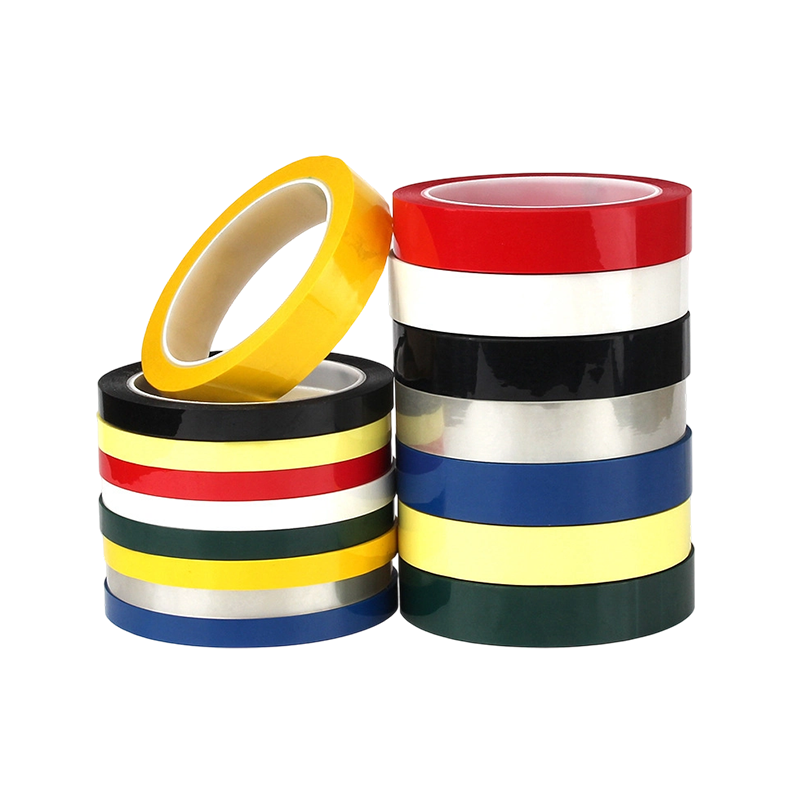
| PVC tape | Irregular surfaces, retail-facing packaging |
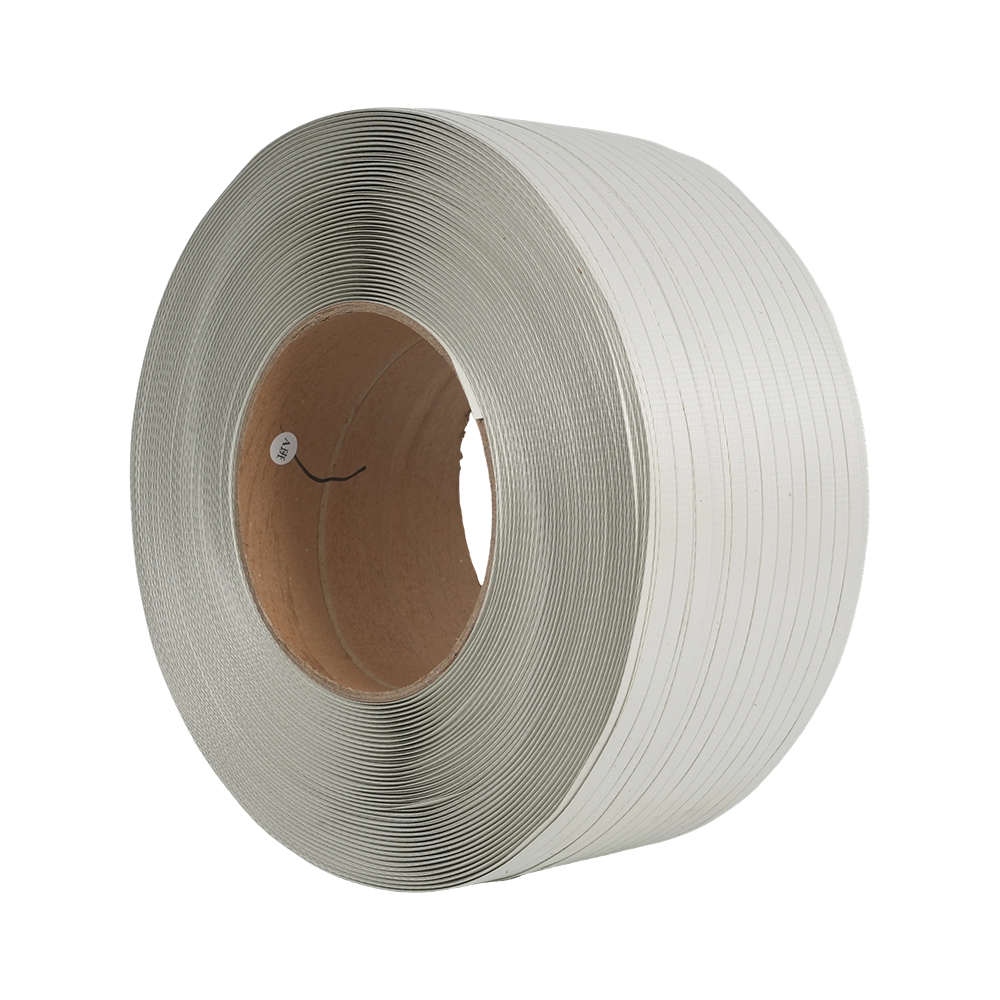
| Filament (strapping) tape | Heavy bundling, reinforcement, palletizing |
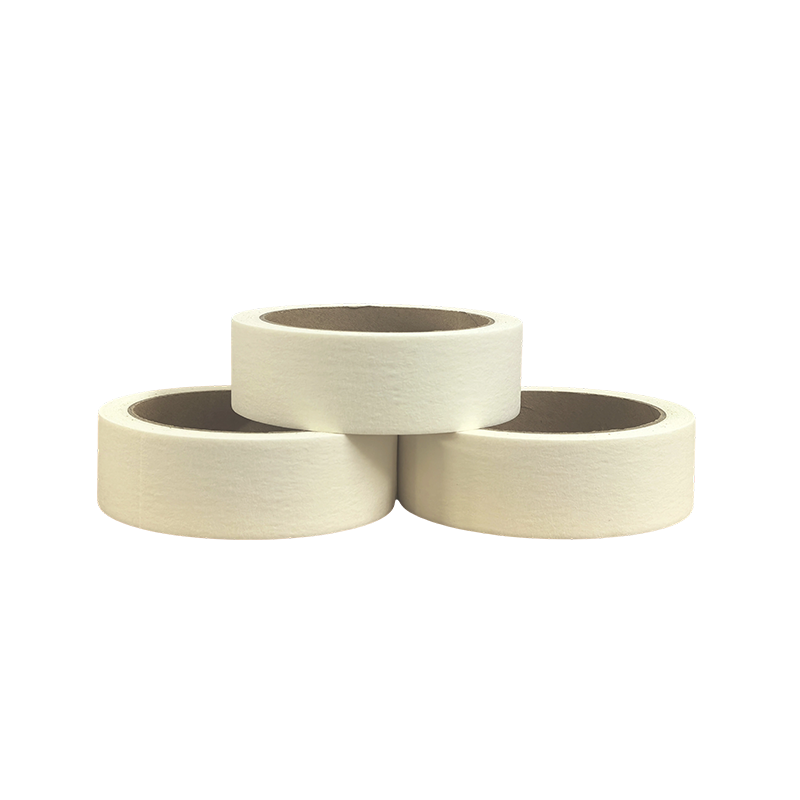
| Kraft/paper tape | Eco-friendly/recyclable packaging lines |
BOPP Tape for the Packaging Industry
Across the packaging industry — from third-party logistics providers to manufacturing plants shipping finished goods — BOPP tape's appeal comes down to consistency at scale. Because it's produced to tight tolerances, a facility running thousands of cartons per shift can rely on predictable feed behavior through automated sealers, consistent bond strength across rolls, and minimal downtime from tape jams or adhesive failure.
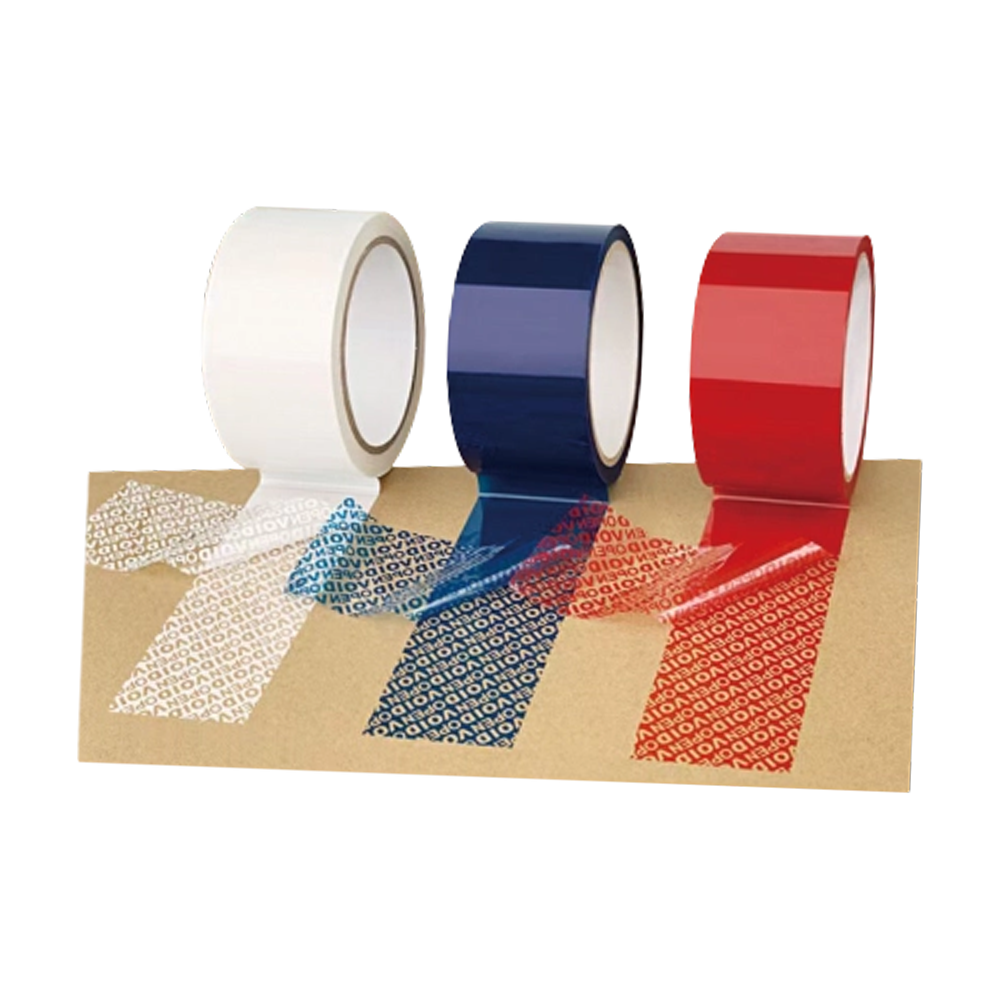
It also serves a secondary role in branding: printed BOPP tape lets manufacturers put logos, handling instructions, or anti-counterfeit messaging directly on the seal itself, which is difficult to replicate cheaply and adds a layer of shipment authenticity for B2B buyers receiving palletized goods.
BOPP Tape for Carton Sealing Applications
Within carton sealing specifically, application method affects tape choice as much as the tape itself:
- Standard seal (single strip down the center seam) — sufficient for lightweight cartons under normal handling conditions.
- H-seal (tape across both the top seam and both end flaps) — adds reinforcement for medium-weight cartons or longer transit routes.
- Full wrap or cross-seal — used for heavy or high-value cartons where maximum seal integrity is required, often paired with thicker tape grades.
Custom Printed BOPP Tape for Packaging
Custom-printed BOPP tape uses flexographic printing to apply logos, text, or patterns directly onto the film before or after adhesive coating. Businesses use it for a few practical reasons beyond pure branding:
- Tamper visibility — a printed pattern makes it obvious if a seal has been cut and re-taped, since the printed design won't realign.
- Reduced mix-ups — in shared warehouse spaces, custom tape helps staff quickly identify which cartons belong to which client or order.
- Low-cost brand exposure — every carton that moves through a delivery network becomes a small branding surface, without the cost of custom boxes.
Minimum order quantities for custom printing are typically higher than for plain tape, since setting up the print cylinder is a fixed cost regardless of run length — worth factoring in before committing to a design change.
How Strong Is BOPP Tape?
Strength varies by grade, but standard 45-micron BOPP tape typically holds a tensile strength in the range of roughly 20–35 N/10mm, with peel adhesion generally around 3–6 N/10mm depending on the adhesive type and carton surface. In practical terms, this is strong enough to reliably hold a properly packed standard shipping carton through normal handling, stacking, and transit — but it's not rated for structural or load-bearing use, and shouldn't be relied on to hold heavy or shifting weight inside a box on its own.
Practical tip: If a carton feels heavy enough that you'd hesitate to lift it by the tape seam alone, it's a sign to move up in tape thickness or switch to an H-seal/full-wrap application rather than relying on a single strip.
LATEST POST
Let’s create something amazing together
contact us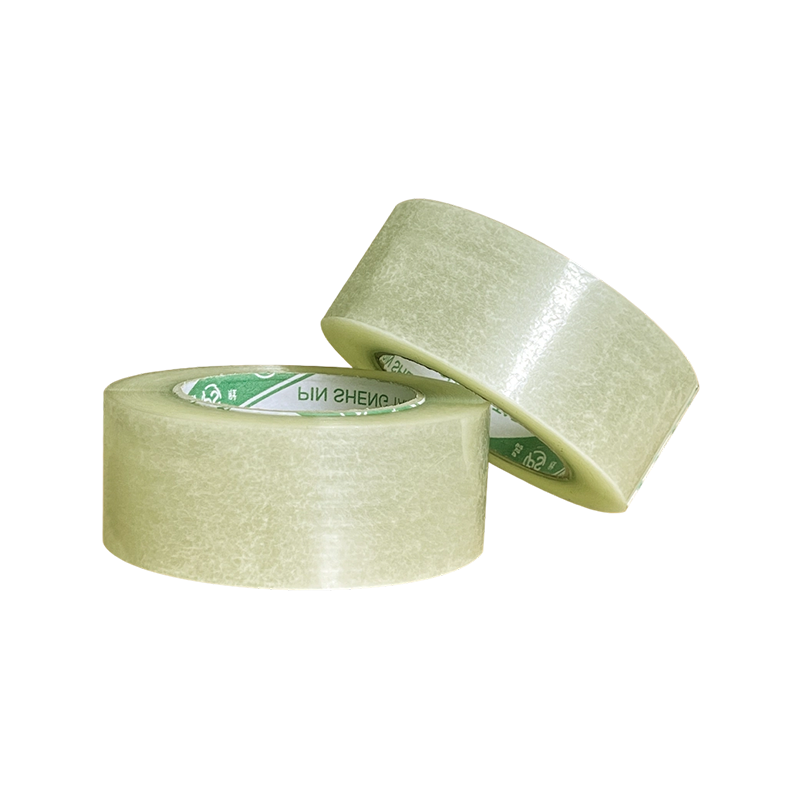

CONTACT DETAILS
- Address:No. 241, Yaojiafan, Zhangpanqiao, Shushan Street, Xiaoshan District, Hangzhou City, Zhejiang Province, China
- TEL:+86-0571-83175630
- Phone:+86-13336160217
- Email:[email protected]
- WeChat/WhatsApp:+86-18058115265
PRODUCTS
NEWS CENTER
MOBILE TERMINAL
Copyright© Zhejiang Geruite Packaging Materials Co., Ltd. All Rights Reserved.
Privacy Wholesale industrial packaging tape Manufacturers