-
 +86-0571-83175630
-
 [email protected]

 English
  Español
  عربى
عربى 
PET High Temperature Tape: Key Specs, Applications, and Factory Sourcing Guide
Content
On a wave-soldering line, the gap between a clean gold-finger mask and a rejected batch of circuit boards often comes down to one roll of tape. A generic "high temperature" tape wrinkles at 180°C, its adhesive bleeds onto solder pads, and the removal step lifts solder mask from the laminate. PET high temperature tape exists to eliminate these three failure modes, but only when the backing film, adhesive chemistry, and release properties are specified together. This guide covers what defines a real PET high-temperature tape, which data-sheet values deserve scrutiny, where the tape earns its cost, and how to qualify a factory supplier before placing a volume order.
What PET High Temperature Tape Is Made Of
PET high temperature tape is a pressure-sensitive adhesive tape constructed from a polyethylene terephthalate backing coated with a silicone adhesive system. The PET film carries the mechanical load: it resists stretching, provides dielectric strength, and holds its dimensions when the oven or solder bath temperature rises. The silicone adhesive performs the opposite function, staying compliant under heat, wetting out on the substrate, and releasing cleanly once the process ends. Acrylic adhesives, which dominate general-purpose packaging tape, cannot survive this range without hardening and leaving residue.
Definition: PET high temperature tape is a silicone-adhesive tape on a PET film backing, rated for continuous service from 180°C to 220°C with short-term excursions up to 260°C, used for masking, insulation, and protection in high-heat production processes.
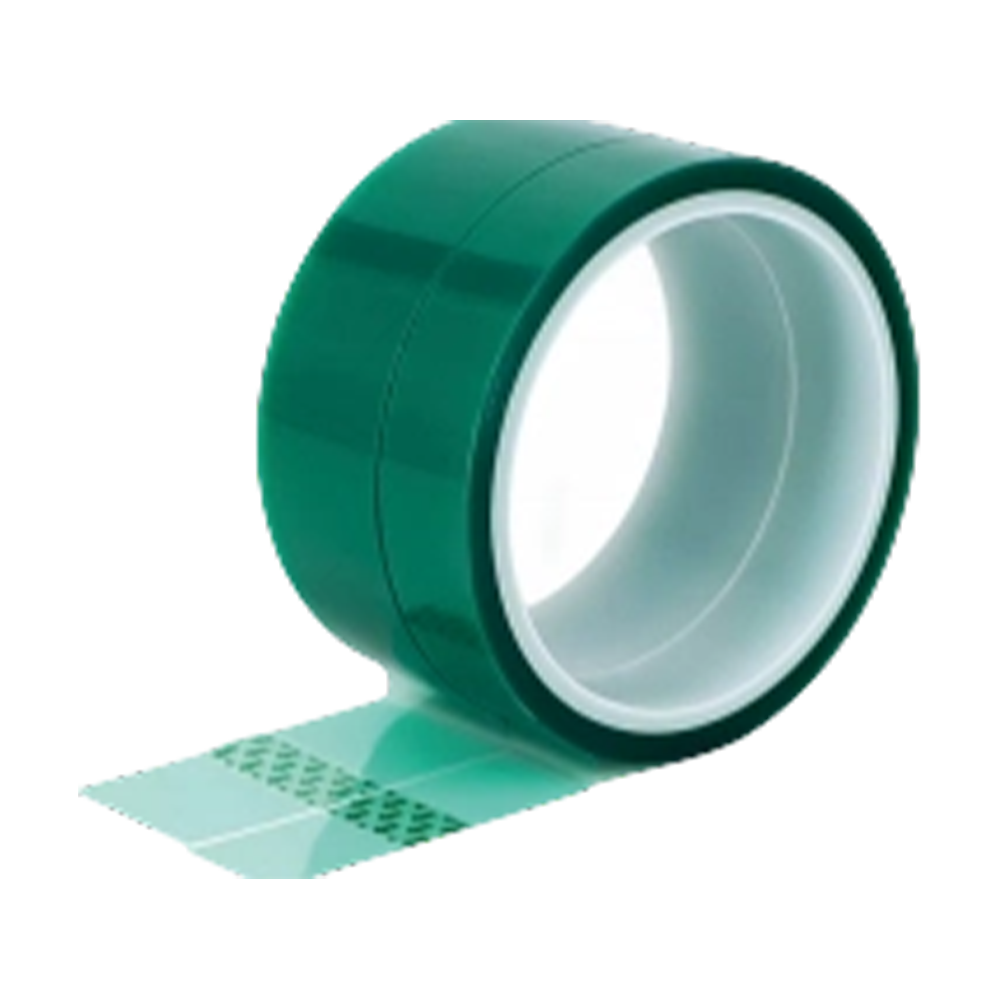 PET High-Temperature TapeTell Us Your MessageView Product →
If your line uses more than one heat-resistant tape, review the heat-resistant materials range to see how PET, polyimide, and reinforced options fit together before you lock the specification.
Key Specifications to Verify in the Data Sheet
Not every roll sold as PET high temperature tape performs identically. The true capability of a roll is captured by five numbers in its technical data sheet, and a competent supplier will publish them without hesitation.
| Specification | Typical production value | What it controls |
| Adhesion to steel | 4.5-8 N/25mm | Holding power through bake and soldering cycles |
| Backing thickness | 25, 38, or 50 micron | Puncture resistance versus conformability |
| Elongation at break | 60-120% | Ability to wrap curved or stepped surfaces |
| Continuous temperature rating | 180-220°C | Real service ceiling, not adhesive flash point |
| Dielectric strength | 4-7 kV | Insulation margin for coil and transformer work |
| Solvent resistance | Good against flux and cleaners | Integrity through downstream cleaning steps |
The most common specification failure is adhesive substitution. If a supplier quotes an aggressive price but cannot confirm silicone adhesive chemistry in writing, expect bleeding, hardening, or silicone deposits when the tape meets process temperature.
Primary Applications That Justify PET Tape
PET high temperature tape earns its place on production lines where a mask or insulator must survive heat and then disappear without a trace.
- PCB assembly: masking gold fingers, protecting connector edges, and covering through-holes during wave and selective soldering.
- Powder coating: plugging threads, covering machined bores, and masking contact faces before electrostatic coating and oven curing.
- Transformer and coil manufacturing: anchoring leads, insulating layer ends, and holding windings before varnish impregnation.
- Lithium battery production: tab fixing, cell-edge protection, and top-sealing area masking during formation and aging.
- Glass and ceramic processing: holding components through hot lamination, baking, and firing cycles.
Cost checkpoint: for powder coating lines that cure below 150°C, a crepe-paper high-temperature masking tape is the more economical option. Above that threshold, PET tape justifies its higher price with a wider service window and cleaner release.
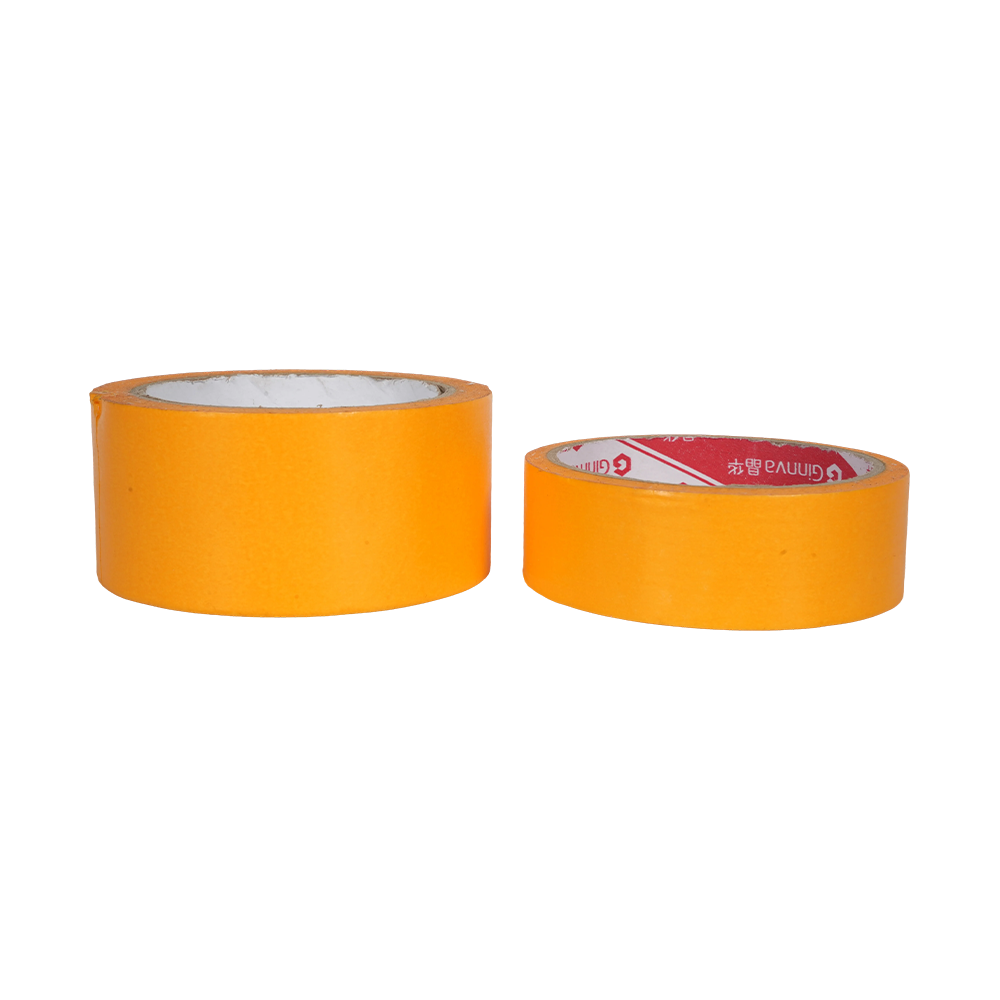 High-temperature resistant masking tape, crepe paper tapeTell Us Your MessageView Product →
Facilities that already fight residue across multiple tape families should check the residue-free tapes guide, which documents low-transfer formulations and peel-test expectations on similar adhesive systems.
PET Tape vs. Polyimide Tape vs. Crepe Paper Tape
Tape material selection is a temperature-budget decision, not a brand decision. Match the continuous rating of the tape to the hottest point the substrate reaches during the cycle.
| Property | PET polyester tape | Polyimide tape | Crepe paper tape |
| Max continuous service temp | 180-220°C | 260-300°C | 120-150°C |
| Relative price per roll | Medium | High, roughly 3-5 times PET | Low |
| Conformability | Moderate | Moderate | High, follows contours well |
| Electrical insulation | Good | Excellent | Fair |
| Residue behavior | Clean within rating | Clean, but costly if unused | Can leave adhesive when over-heated |
| Typical production roles | Soldering masks, coil insulation, powder coating | Gold-finger masks, reflow fixtures, high-heat insulation | Paint masking, low-temperature powder coating |
Selection shortcut: use PET tape up to 220°C. When a process runs above 230°C for more than a few minutes, move up to polyimide tape. Below 150°C, crepe paper is cheaper and conforms better. Over-specifying the tape family wastes money; under-specifying it costs rework.
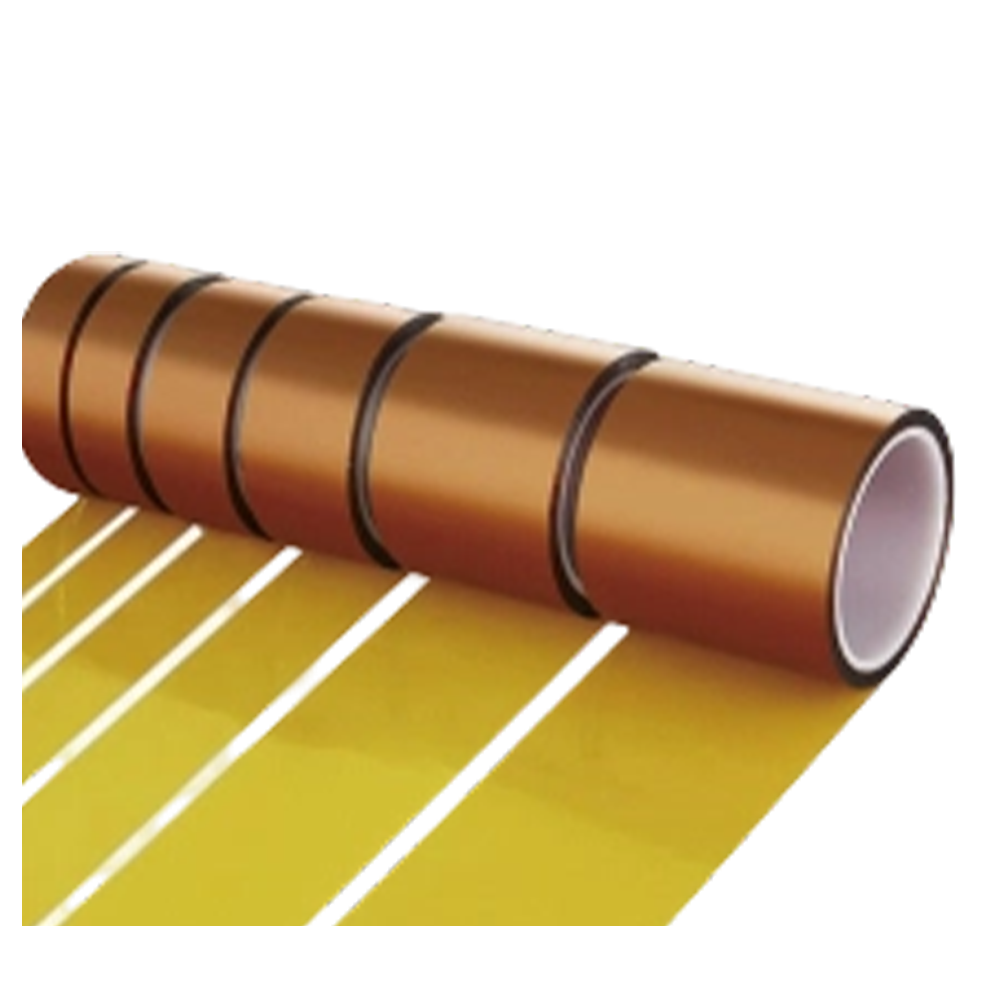 PI Gold Finger TapeTell Us Your MessageView Product →
Factory Sourcing Checklist for PET High Temperature Tape
Consistent PET tape is made on the coating line, not at the repackager. Zhejiang Geruite Packaging Materials Co., Ltd., the manufacturer behind grtpacking.com, publishes full TDS values for its PET high-temperature tape and supplies batch certificates on request. Qualify a factory with the five steps below before you commit a production line to an unknown brand.
- Demand a written technical data sheet. Adhesion, temperature rating, backing thickness, and adhesive chemistry must all appear with the test method used to measure them.
- Simulate your real process on samples. Apply the tape to your substrate and run the actual soldering, curing, or baking cycle instead of a bench test.
- Peel and inspect for residue or silicone transfer. Use strong light and wipe the substrate with a solvent cloth to detect hazy silicone films. The residue-free tapes guide explains what clean removal looks like on PET and related systems.
- Check lot-to-lot consistency. Request batch certificates and compare thickness, color, unwind force, and adhesion between rolls from different production dates.
- Verify packaging and shelf life. Silicone adhesive can skin over during storage; rolls should arrive sealed in moisture-protected film with a clear production date.
The cheapest roll of PET high temperature tape usually fails the only test that matters: the production rehearsal. One mid-batch failure costs hours of line stoppage and scrapped boards, a multiple of whatever price gap existed per roll.
Frequently Asked Questions
Can PET high temperature tape survive reflow soldering?
Reflow profiles typically peak between 240°C and 260°C, and most PET tapes are not certified for that range. Use polyimide tape for reflow masking and reserve PET tape for wave soldering, pre-bake, and powder coating cycles that stay within 180-220°C.
Does PET high temperature tape leave residue?
A correctly manufactured PET tape with silicone adhesive removes cleanly from glass, FR-4 laminate, and stainless steel when the rated temperature is respected and peeling happens after the substrate cools. Exceeding the rating, or using a substituted adhesive, produces visible residue.
Which backing thickness should I order?
Choose 25 micron for flat masking and tight curves, 38 micron for general production, and 50 micron where the tape is handled often or must resist grinding and abrasion during powder coating and anodizing.
Can silicone adhesive contaminate surfaces painted or bonded later?
Yes. Silicone migrates easily and can create fish-eyes in paint and bond failures in adhesive assembly. If downstream painting or bonding follows the masking step, request a low-migration silicone system and validate it on identical production surfaces.
Featured Products


CONTACT DETAILS
- Address:No. 241, Yaojiafan, Zhangpanqiao, Shushan Street, Xiaoshan District, Hangzhou City, Zhejiang Province, China
- TEL:+86-0571-83175630
- Phone:+86-13336160217
- Email:[email protected]
PRODUCTS
NEWS CENTER
MOBILE TERMINAL
Copyright© Zhejiang Geruite Packaging Materials Co., Ltd. All Rights Reserved.
Privacy Wholesale industrial packaging tape Manufacturers