-
 +86-0571-83175630
-
 [email protected]

 English
 Español
 عربى

Plastic Construction Film: Thickness Selection and Surface Protection Guide
Content
Plastic construction film is a low-density polyethylene (LDPE) sheet supplied in rolls, typically 1 to 10 mil thick, installed temporarily to protect finished surfaces and removed without damaging them.
Plastic construction film usually costs a small fraction of a renovation protection budget, but the damage it prevents can run far higher. The material is not a single product: it is a family of polyethylene sheets with different gauges, additives, and surface treatments, and the wrong choice shows up as torn film, adhesive residue, or moisture damage weeks later.
The right roll for a building site depends on four decisions made in order: thickness, fastening method, how long the film stays in place, and how cleanly it must come off. The sections below follow that sequence.
Match the Plastic Construction Film Thickness to the Job
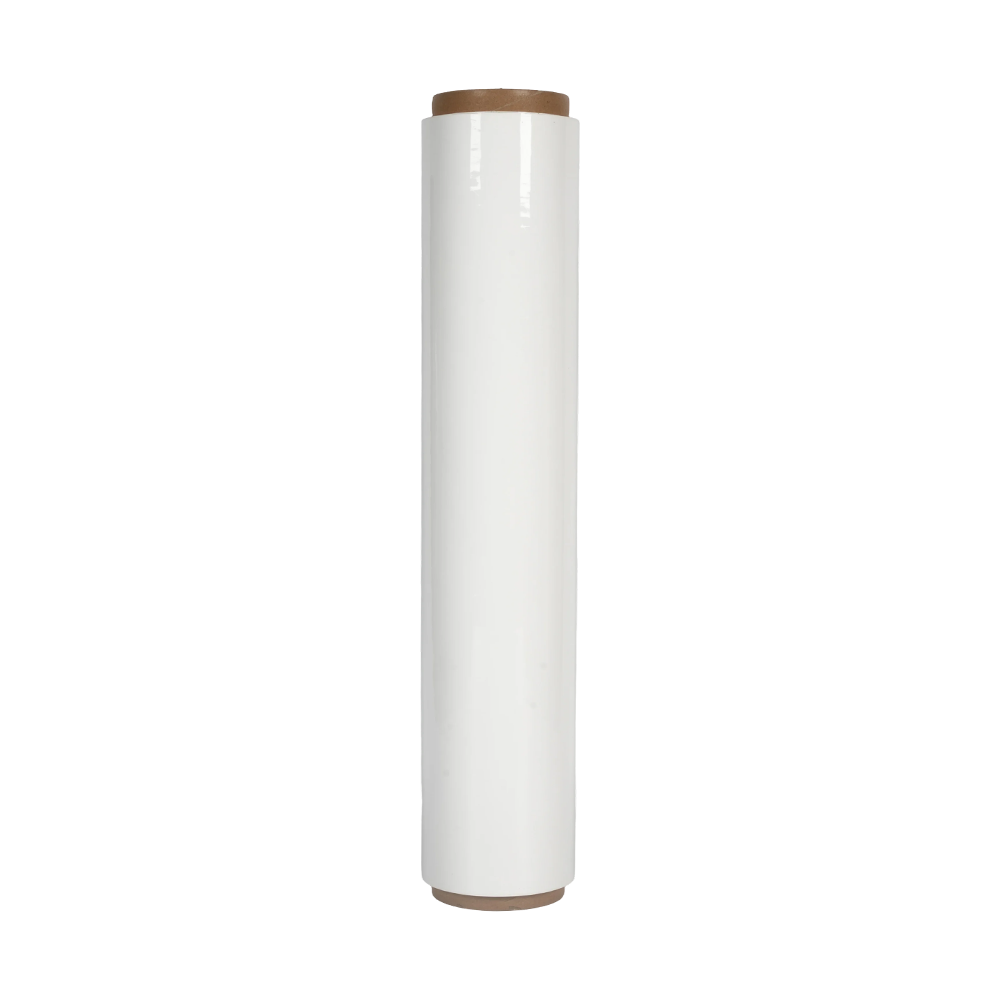 Clear Polyethylene Construction Protective Plastic SheetingThis clear polyethylene sheet is a versatile jobsite barrier, with thickness options that match different traffic and exposure levels. Its high clarity supports visual inspection while protecting surfaces from dust, paint, and moisture, making thickness selection here directly practical.View Product →
Start with the worst thing that can touch the film, not the average condition. A 2 mil sheet controls dust and light spray but tears if a ladder tip or boot heel lands on it; 4 mil absorbs normal foot traffic and tool contact; 6 mil survives repeated passes around scaffolding; 8 to 10 mil handles abrasive demolition and exterior weather.
Gauge is expressed in mils, or thousandths of an inch, which is the unit printed on most roll labels. For a standard interior remodel, 4 mil clear construction film is the default choice. Drop to 2 or 3 mil for dust segregation over cabinets and furniture; step up to 6 mil for corridor floors and doorways; use 8 to 10 mil for demolition zones and prolonged sun exposure.
| Film thickness | Microns | Typical use | Puncture resistance |
| 2 mil | 50.8 | Dust shielding over cabinets, short painting jobs | Low |
| 3 mil | 76.2 | Windows, trim, light traffic areas | Low |
| 4 mil | 101.6 | Floors, doorways, standard remodeling | Medium |
| 6 mil | 152.4 | Heavy traffic, rough surfaces, scaffolding areas | High |
| 8-10 mil | 203-254 | Demolition, exterior weather exposure, roof work | Very high |
Fasten the Plastic Construction Film So It Does Not Tear or Sag
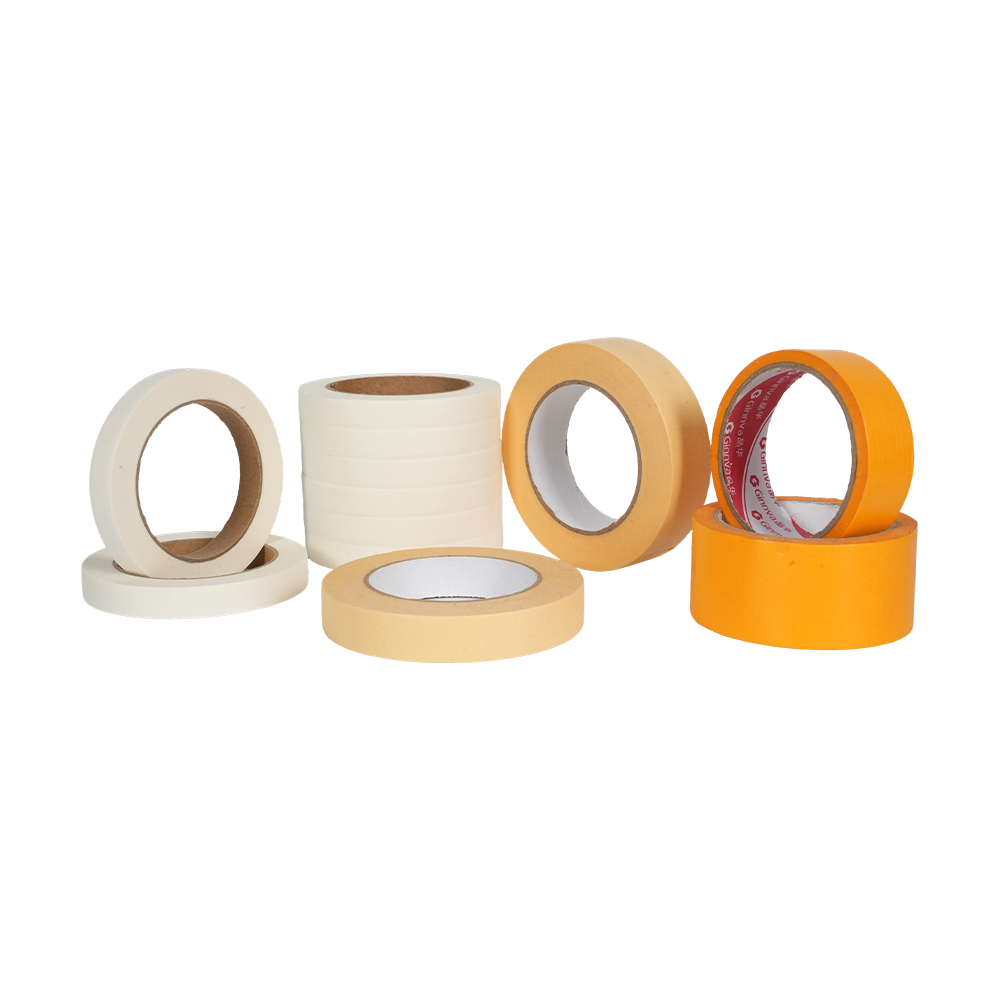 Generic Crepe Paper Masking Tape for Temporary Surface ProtectionThis crepe paper masking tape provides moderate adhesion and clean removal, supporting controlled edge sealing of protective film. The surrounding guidance on tape slack and overlap makes this tape's role in preventing tear-outs at film edges worth reviewing.View Product →
Most plastic construction film failures happen at the edge, not in the middle of the sheet. A panel taped only at the corners or pulled drum-tight will tear the first time someone brushes against it; a panel with proper overlap and controlled slack survives an entire remodel.
The film itself is cheap. Rework, dust damage, and trip hazards are the real costs of bad fastening.
- Overlap every seam by 200 to 300 mm (8 to 12 inches) and tape the full length of the overlap. Dust migrates through unsealed seams even when the film sheet is intact.
- Use 14 mm or wider crepe masking tape on clean indoor surfaces. It holds the film in place and removes cleanly within its rated dwell window; save high-tack packaging tape for rough concrete, wood framing, and exterior conditions.
- Leave 3 to 5 percent slack in the sheet. Polyethylene expands and contracts with temperature changes, and a taut sheet sags or tears when sunlight heats it.
- On vertical drops over 3 meters, add a horizontal tape strip at mid-height so the weight of the film does not pull the top edge away.
Removal Without Residue: Time, Heat, and Tape Selection
Construction film that comes off cleanly was chosen with removal in mind from the first day. Residue is almost never a film defect; it forms when tape adhesive bonds to the surface and hardens over time.
The same rule applies whether you are removing construction film or a dedicated surface protection film: remove early, peel at a low angle, and warm the adhesive when it resists. A masking tape rated for one-day paint masking will leave residue after two weeks outdoors, so removal planning is part of the install.
- Lowest material cost per square meter
- Needs separate tape to stay in place
- Best for 1 to 14 day jobs
- Removal is fast when tape dwell time is respected
- Higher material cost, faster installation
- Bonds to smooth glass, metal, and painted trim
- Best for 14 to 90 day protection windows
- Peels cleanly when warmed with low heat from a gun
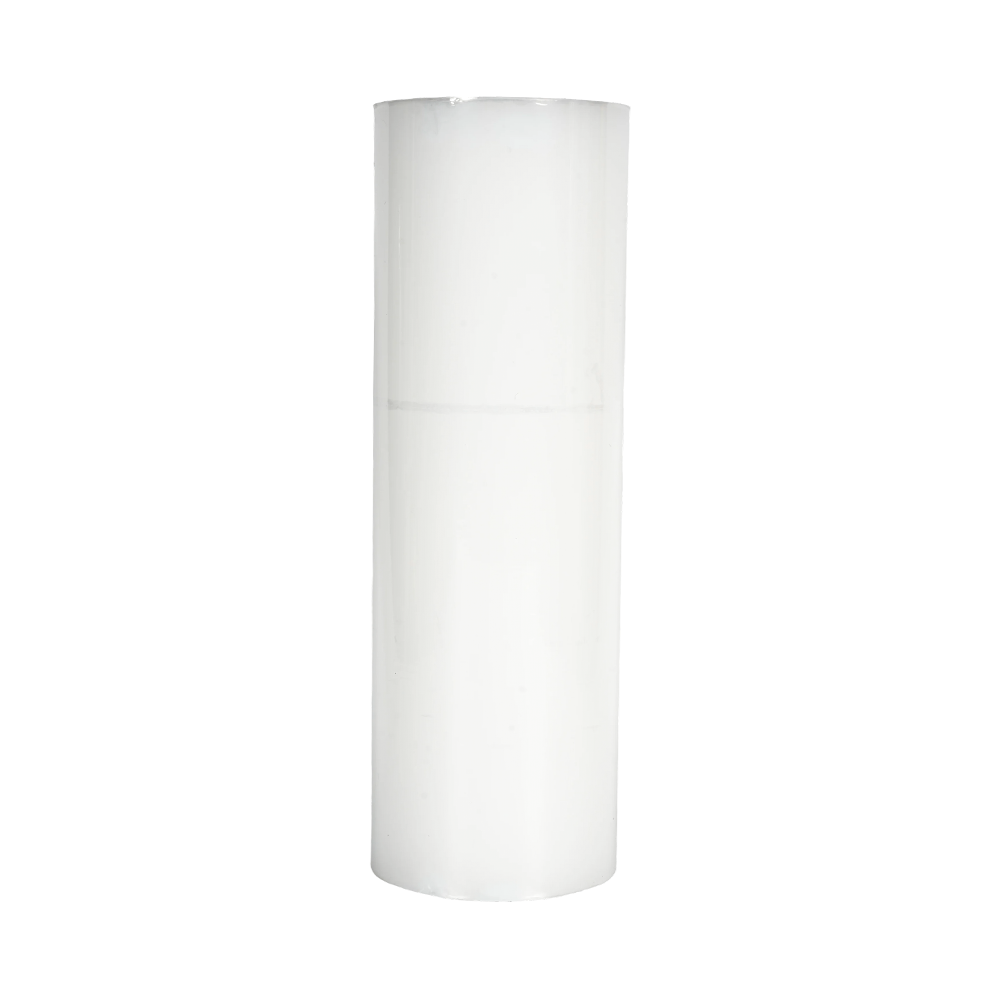 Low-Tack Polyethylene Protective Film for Smooth SurfacesThis thin protective film is designed for temporary surface shielding during transport and installation, with controlled adhesion for residue-free removal. Given the advice to verify supplier specifications, this product's variable thickness and tack options highlight the need for documented performance before bulk ordering.View Product →
Volume Sourcing: Verify These Plastic Construction Film Specs
Before ordering plastic construction film by the pallet, ask the supplier to confirm the property sheet in writing. Roll width, gauge tolerance, and elongation at break vary between production runs, and on a large job those differences show up immediately as torn film and rework.
| Property | Why it matters | Ask the supplier |
| Thickness tolerance | Inconsistent gauge creates weak points that tear under load | "What is the tolerance range across the roll?" |
| Elongation at break | Higher elongation means the film stretches instead of shattering when pulled | "What is the elongation percentage in the machine direction?" |
| UV stabilization | Prolonged sunlight embrittles untreated polyethylene | "Is the film UV stabilized for exterior exposure?" |
| Roll width and core size | Wider rolls mean fewer seams; core size must match dispensers | "What standard widths and core diameters do you run?" |
| Static and surface treatment | Affects dust pickup and whether the film clings to frames or needs tape | "Is the film corona treated or static cling?" |
For exterior work and concrete slabs, check whether the film will also act as a moisture barrier. Standard construction film blocks liquid water but breathes; a dedicated moisture-proof packaging film uses a higher barrier structure when vapor resistance matters.
Purchasing managers should also match the supplier's range to the job sequence. A factory that produces construction film, masking tape, and protective film in the same plant can keep the whole protection plan on one specification sheet. Zhejiang Geruite Packaging Materials Co., Ltd. supplies clear construction protective film, crepe masking tape, and surface protection film from the same production base, which is the kind of consistency a multi-week build needs.
Frequently Asked Questions
How many mil should plastic construction film be for painting work?
Use 2 mil to cover cabinets and trim, and 3 to 4 mil where ladders or paint buckets pass regularly. Most professional painters standardize on 4 mil for floor protection so the film survives the full job without tearing.
Can plastic construction film be reused?
Reuse is possible on short jobs if the film comes off without holes and the tape leaves no residue, but the economics rarely justify it. The labor to take film down, clean it, and reinstall it costs more than a fresh roll, so treat construction film as a single-use consumable.
Does plastic construction film block water?
Standard LDPE film blocks liquid water and is widely used as a temporary vapor barrier, but it is not fully vapor-proof. For critical moisture control, use a film with lower moisture vapor transmission and seal every seam with compatible tape.
What is the difference between construction film and stretch film?
Construction film is a flat, low-cling LDPE sheet made for temporary surface protection; stretch film is a high-cling elastic film made for wrapping loads. They are produced differently and are not interchangeable, though many packaging suppliers make both.
LATEST POST
Let’s create something amazing together
contact usFeatured Products

CONTACT DETAILS
- Address:No. 241, Yaojiafan, Zhangpanqiao, Shushan Street, Xiaoshan District, Hangzhou City, Zhejiang Province, China
- TEL:+86-0571-83175630
- Phone:+86-13336160217
- Email:[email protected]
- WeChat/WhatsApp:+86-18058115265
PRODUCTS
NEWS CENTER
MOBILE TERMINAL
Copyright© Zhejiang Geruite Packaging Materials Co., Ltd. All Rights Reserved.
Privacy Wholesale industrial packaging tape Manufacturers